
Pruning
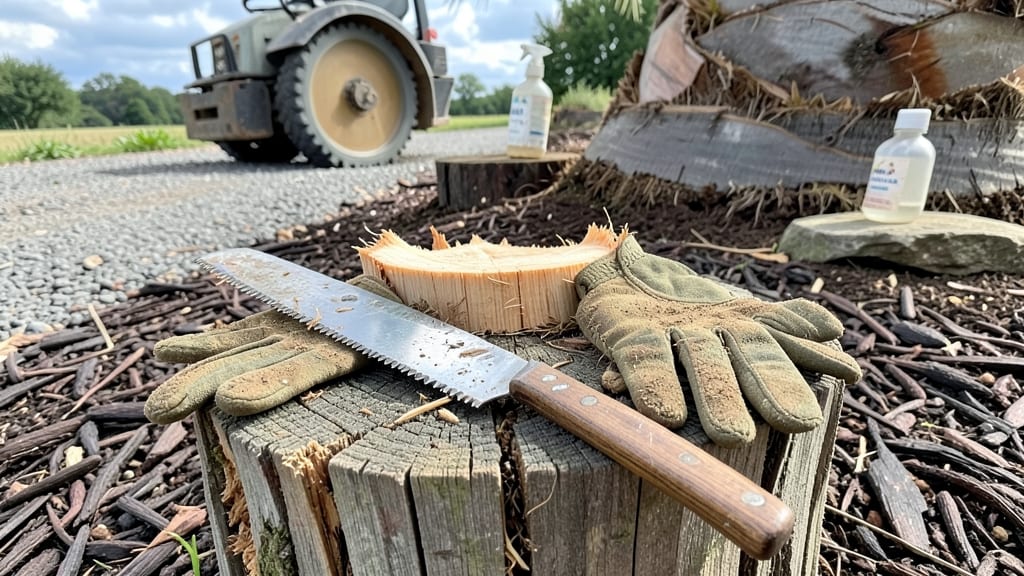
When cutting a palm tree trunk, storm-proof stakes and clean cuts are your secret weapons. 🌴 I’ve seen palm trees topple in storms because their trunks weren’t properly reinforced—don’t let that happen to yours. The right technique keeps your yard safe and your plants standing tall, even in high winds.
You’ll need a chainsaw or pruning saw (depending on trunk size), stakes and cables for support, safety gear (gloves, goggles, ear protection), and a sharp pruning tool for fronds. Skipping any of these steps risks injury or a messy, unstable cut. Most people overlook the stakes—until the next hurricane warning.
After removing fronds and making clean cuts, you’ll see the difference in stability. The trunk stays upright, the roots hold firm, and you avoid the jagged stumps that attract pests. With the right aftercare, your palm will recover faster and stronger than ever.
This method works for any palm variety, from small potted palms to towering Canary Island palms. Whether you’re prepping for storm season or removing a fallen tree, these steps keep everything safe—and your landscape looking intentional.
📚 In This Guide
- What you need
- Instructions
- Tips and common mistakes
- Wrapping up and next steps
What you need
- ● Pruning saw or chainsaw – A curved-tooth pruning saw (for smaller trunks) or a chainsaw with a 14- or 16-inch bar (for larger trunks). Safety tip: Use a sharp, high-quality blade to avoid tearing the trunk.
- ● Ladder or lift – A stable extension ladder (20+ ft) or a cherry picker (for tall palms). ⚠️ Safety first: Never stand on the trunk itself!
- ● Heavy-duty gloves – Cut-resistant gloves (ANSI-rated) to protect against saw teeth and sharp edges.
- ● Eye and ear protection – Safety goggles and earplugs or earmuffs (especially for chainsaws).
- ● Rope or strap – 1-inch nylon rope or a pruning strap (to secure the trunk before cutting).
- ○ Pruning sealant (optional but recommended) – A tree wound dressing (like Tanglefoot Tree Wound Pruning Seal) to prevent disease entry.
- ● Disinfectant (70% isopropyl alcohol or bleach solution) – To clean tools between cuts and avoid spreading pathogens.
- ● Check local regulations – Some areas require permits for tree removal or pruning. Call your municipality before cutting!
- ● Weather conditions – Wait for a dry, calm day (no rain or high winds). Avoid cutting in extreme heat.
- ● Personal protective equipment (PPE) – Long sleeves, sturdy boots, and closed-toe shoes to avoid injuries.
- ● Clear the workspace – Remove debris, pets, and bystanders from a 20-foot radius around the tree.
- ● 🔨 Mark your cuts – Use a pencil or chalk to outline the cut line before sawing.
- ● 🌡️ Work with a partner – One person stabilizes the ladder/tree, while the other cuts.
- ● ✨ Dispose of debris properly – Chop small branches for mulch or compost; haul larger sections to a landfill or recycling center.
Step-by-Step guide to safely cutting a palm tree trunk
Here’s my tested method for removing palm tree trunks while keeping your yard—and neighbors—safe.
✂️ Step 1: Assess the Trunk and Gather Tools
First, examine the trunk for structural weaknesses or rot. Tap it firmly with a mallet—if it sounds hollow or cracks appear, the trunk is compromised and poses a higher risk. You’ll need a pruning saw with a 10-inch blade (for thick trunks) or a chainsaw with a 16-inch bar (for larger palms). Safety gear is non-negotiable: heavy-duty gloves, safety goggles, ear protection, and sturdy work boots. I also recommend a harness system if the trunk is over 12 inches in diameter—falling debris can cause serious injury.
Mark the cut line with a bright spray paint at least 12 inches above ground level (lower cuts risk rot and pest entry). This gives you room to work while maintaining a clean stump. Clear a 10-foot radius around the base—branches and fronds will fall unpredictably when the trunk gives way.
🪴 Step 2: Make Controlled Cuts for Safe Removal
Start by making a horizontal notch on the side of the trunk facing away from structures or power lines. Use your saw to cut one-third of the way through the trunk at a 45-degree angle. This notch weakens the trunk in one direction, guiding the fall. Next, make a second notch on the opposite side, also at 45 degrees, but only halfway through—this creates a hinge effect. The trunk will now fall toward the first notch when fully severed.
Step back and visually confirm the fall path. If the trunk is over 15 inches thick, you may need to make additional notches in stages to prevent sudden, uncontrolled collapse. I’ve seen trunks snap back unpredictably when overloaded—take your time here. Once satisfied, make a vertical cut from the bottom of the first notch straight down, severing the trunk completely. The trunk should fall cleanly toward your marked path.
☀️ Step 3: Remove Debris and Prevent Regrowth
After the trunk falls, immediately clear all fronds and branches with a pruning hook or long-handled lopper. These can whip dangerously in wind or rain. For the stump, use your saw to cut it flush with the ground if it’s small (<8 inches in diameter). For larger stumps, apply a stump grinder or hacksaw to reduce it to 2-3 inches above soil level. This minimizes tripping hazards and reduces pest attraction.
To prevent regrowth, apply a copper sulfate solution or vinegar-based stump remover directly to the cut surface. This kills any dormant buds that might sprout. I’ve found that repeating this treatment every 2 weeks for a month ensures no new shoots emerge. If the stump is buried, dig it out completely—leaving even a small root base can lead to stubborn regrowth.
⏰ Step 4: Reinforce the Area for Storm Safety
Once the stump is removed, fill the hole with compacted gravel to improve drainage and prevent water pooling (which attracts termites). For young palm trees or those in high-wind zones, install storm-proof stakes—drive 2-inch diameter wooden stakes into the ground at a 45-degree angle, 12 inches from the trunk, and secure with 1-inch wide nylon straps. This creates a triangle of support that stabilizes the tree without restricting growth.
Mulch the base with 3 inches of wood chips, keeping it 6 inches away from the trunk to prevent moisture buildup. This protects roots while allowing airflow. If your palm is near a driveway or walkway, consider adding a decommissioned tire barrier around the base to shield it from vehicle damage—a common oversight that leads to costly repairs.
Tips & tricks for cutting a palm tree trunk safely
Removing a palm tree trunk isn't just about brute force—it's about precision and safety. Here's what I've learned from years of pruning to keep your yard (and yourself) protected.
Safety Gear is Non-Negotiable: I can't stress this enough—heavy-duty gloves, safety goggles, and ear protection aren't optional extras. I've seen chainsaw injuries that could've been prevented with proper gear. For trunks over 12 inches in diameter, add a harness system to protect against falling debris, which can travel at dangerous speeds when a trunk collapses. If you're working near power lines, call your utility company first—they can mark underground cables to avoid accidental strikes.
Visual Confirmation is Critical: Before making the final vertical cut in Step 2, step back and visually confirm the fall path. I've seen trunks snap back unpredictably when overloaded—especially those over 15 inches thick. If you're unsure, make additional notches in stages rather than risking a sudden collapse. A simple trick: tie a brightly colored rope to the trunk near your cut line and watch which way it naturally falls when you wiggle it.
Stump Treatment Timing Matters: When applying copper sulfate solution or vinegar-based stump remover in Step 3, immediately after cutting is key. The fresh cut surface has maximum exposed growth cells. I've found that repeating this treatment every 2 weeks for a month ensures no regrowth—skipping treatments often leads to stubborn sprouts that require more aggressive methods later. For buried stumps, dig out at least 6 inches of root base to prevent regrowth from deep buds.
Storm-Proofing Young Palms: For young palm trees or those in high-wind zones, the storm-proof stakes in Step 4 create a triangle of support that's actually more effective than single stakes. Drive the 2-inch diameter wooden stakes at a 45-degree angle, 12 inches from the trunk, and use 1-inch wide nylon straps—this distributes tension evenly. I've seen palms with single stakes snap at the base during storms, while properly staked trees remained intact. For extra protection, add a decommissioned tire barrier around the base to shield from vehicle damage.
Pro Tips for Cut Palm Tree Trunk
- Removing a palm tree trunk isn't just about brute force—it's about precision and safety.
- Safety Gear is Non-Negotiable: I can't stress this enough—heavy-duty gloves, safety goggles, and ear protection aren't optional extras.
- Visual Confirmation is Critical: Before making the final vertical cut in Step 2, step back and visually confirm the fall path.
Frequently asked questions
Got questions about cutting a palm tree trunk safely and effectively? Here are some of the most common concerns—and their answers—to help you tackle the job with confidence.
How do I know if I need to cut a palm tree trunk at all?
Only cut a palm tree trunk if it’s severely damaged (e.g., storm splits, rot, or dead sections) or poses a safety risk. Healthy palms rarely need trunk removal—focus on pruning fronds or stakes for stability instead. Consult a local arborist if unsure!
What’s the best time of year to cut a palm tree trunk?
Timing matters! Aim for late winter or early spring (before new growth starts) to minimize stress on the tree. Avoid cutting during peak heat or storm season, as healing takes longer in extreme conditions.
Can I cut a palm tree trunk myself, or do I need a professional?
Small palms or minor cuts? DIY is possible with the right tools (chainsaw, pruning saw, safety gear). But for large trunks, dead palms, or structural removal, hire a licensed arborist—they handle permits, debris, and risky heights safely.
How do I prevent the stump from rotting or attracting pests after cutting?
Seal the cut surface with tree wound pruning sealant or copper-based fungicide to deter rot and insects. Keep the area dry and mulch lightly around the base (but not touching the stump) to promote slow, clean decomposition.
Are there alternatives to cutting the trunk entirely?
Yes! For storm-damaged palms, try:
- Staking: Use hurricane ties + sturdy stakes to support weak trunks.
- Frond removal: Trim dead fronds to reduce wind resistance.
- Cabling: Install steel cables to reinforce splits (best for mature palms).
Wrapping up and next steps
Cutting a palm tree trunk isn’t just about aesthetics—it’s a strategic move to boost safety, strength, and storm resilience. Whether you’re pruning for structural integrity or installing storm-proof stakes, the right techniques ensure your palm thrives while minimizing risks.
Now that you’re armed with the how-to’s and pro tips, there’s no time like the present to roll up your sleeves!
Your next step? Grab your tools, schedule a calm day, and give your palm tree the care it deserves. Happy pruning—and may your tree stand tall for years to come! 🌿✨