
Pruning
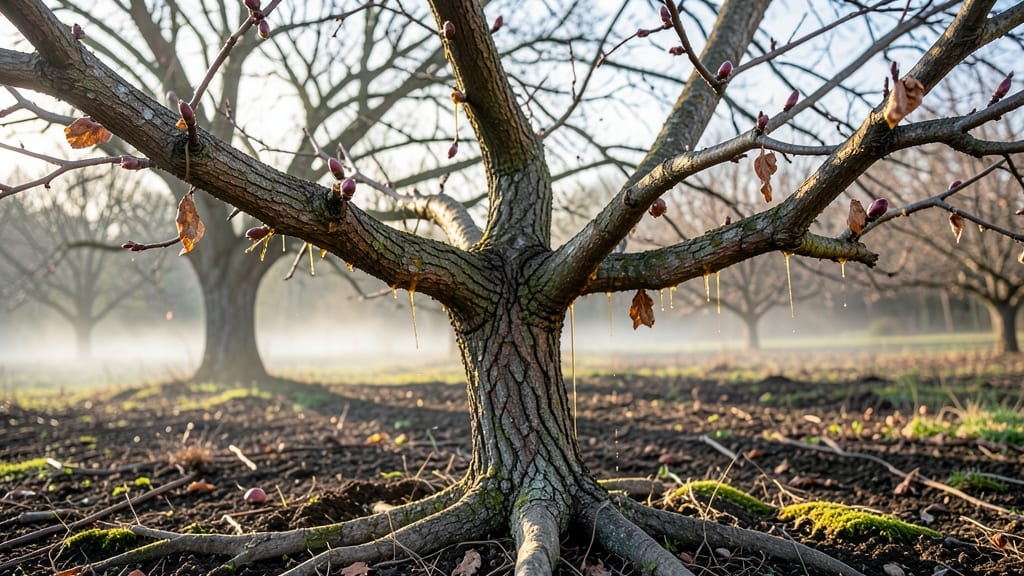
Your cherry tree dripping sap isn’t just messy—it’s a sign your tree is talking to you. 🌳 Whether it’s a sticky mess on your patio or a slow leak from the trunk, this is your tree’s way of telling you something’s off (or sometimes, it’s just being extra productive).
The good news? Most causes have simple fixes, and some even mean your tree is making maple syrup’s edible cousin.
Common culprits include pests like borers or scale insects, physical damage from pruning or tools, or environmental stress from sudden temperature swings. I’ve seen trees drip sap after a late frost or when they’re overwatered—nature’s way of saying, “Whoa, slow down!”
The first step is identifying whether the sap is clear (usually stress-related) or milky (often pest-related), because that tells you exactly what to treat.
You can stop the waste by sealing wounds with pruning paint, adjusting watering schedules, or introducing beneficial insects to combat pests. For fruit trees, some of that sap is actually edible cherry sap—yes, really!—and harvesting it naturally means less mess and a tasty bonus.
I’ve turned mine into syrup, and it’s shockingly delicious when done right.
Works for both ornamental and fruit-bearing trees, and the fixes scale from quick band-aids to long-term care. Let’s get that tree back to producing fruit (or just looking pretty) without the sticky side effects.
Root Causes Of Sap Bleeding
If your cherry tree is oozing sap like a sticky syrup factory, don’t panic—it’s usually a natural (but sometimes frustrating) process. Understanding the why behind it helps you decide whether to intervene or simply embrace the mess. Below are the most common triggers, explained in scientific detail with actionable insights.
Cherry trees (and many other deciduous species) experience root pressure in early spring, just before buds swell. This occurs when:
- Warmer soil temperatures (above 40°F/4°C) trigger sap production in the roots.
- Water uptake exceeds transpiration—the tree absorbs moisture faster than it can release it through leaves (which aren’t fully open yet).
- Xylem vessels fill with sap, creating internal pressure that forces excess fluid out through wounds, bark cracks, or even healthy tissue.
Pro tip: 🌡️ Monitor soil temps—if your region has freeze-thaw cycles, rapid temperature swings can worsen bleeding. Mulch heavily in fall to insulate roots and reduce stress.
Any disruption to the bark or cambium layer (the tree’s "plumbing system") can turn your cherry tree into a sap fountain. Common culprits:
| Cause | How It Triggers Sap | Actionable Fix |
|---|---|---|
| Pruning cuts (especially late in season) | Exposed xylem vessels act as escape valves. Poor cuts (tearing, jagged edges) slow healing. | ✂️ Prune in late winter/early spring (before sap flow peaks). Use sharp tools and make clean, angled cuts just outside the branch collar. |
| Animal damage (squirrels, deer, woodpeckers) | Gnawed bark or drilled holes create constant leaks. Woodpeckers, in particular, peck at sap wells. | 🛡️ Install tree guards or use bird netting during sap season. Apply tree wound dressing (temporarily) to large holes. |
| Mechanical injury (lawnmowers, string trimmers, hail) | Scrapes or punctures disrupt the bark’s seal, leading to prolonged oozing. | 🔧 Seal minor wounds with pruning sealant (for cuts <1 inch wide). For larger damage, avoid treating—the tree’s natural healing is often better. |
When pests or pathogens attack, your cherry tree diverts energy to defense—often at the expense of sap regulation. Look for these red flags:
- Bacterial canker (Pseudomonas syringae): Creates oozing, sunken lesions. Sap may be yellow or brownish and foul-smelling.
- Scale insects or borers: Weakened trees bleed more due to reduced vascular efficiency.
- Fungal infections (e.g., silver leaf fungus): Disrupts water transport, leading to excessive gumming.
Pro tip: 🔍 Inspect sap color—clear or white sap is usually harmless, but dark, milky, or foul-smelling fluid suggests infection. Prune infected branches 6+ inches below the damage and sterilize tools with 70% rubbing alcohol.
Extreme conditions can push a cherry tree’s systems into overdrive. Key triggers:
- Sudden temperature shifts: Freeze-thaw cycles expand and contract xylem vessels, forcing sap out.
- High humidity + wind: Creates transpiration imbalances, making roots "push" harder to hydrate the tree.
- Compacted or waterlogged soil: Roots struggle to regulate moisture, leading to overproduction of sap.
Pro tip: 💡 Improve drainage by amending soil with compost or sand if your area gets soggy. Avoid overwatering—cherry trees prefer well-draining soil.
Key takeaway: Most sap bleeding is normal in spring, but persistent, heavy dripping (especially with other symptoms like wilting or dieback) warrants closer inspection. Start with the least invasive fixes (mulching, proper pruning) before jumping to treatments.
Fixing Sap Flow Naturally
Now that you understand why your cherry tree might be weeping sap, let’s tackle the solutions—without chemicals or drastic measures. Whether it’s stress, pests, or seasonal shifts, these fixes are practical, eco-friendly, and designed to keep your tree healthy while minimizing mess.
Below, we’ll map common causes to their fixes, plus prevention tips to keep sap under control long-term.
If your tree is oozing sap due to recent pruning, transplanting, or environmental stress, the key is gentle recovery support.
Step-by-Step Fixes:
- 💧 Hydrate Deeply (But Smartly) - Water the tree slowly and deeply at the base (not overhead) to avoid fungal risks.
Aim for 1–1.5 inches of water per week, especially during dry spells. - Pro Tip: 💡 Use a soaker hose or drip irrigation to deliver moisture directly to the roots without wetting the trunk or leaves.
- 🌿 Mulch Like a Pro
- Apply 2–4 inches of organic mulch (wood chips, straw, or shredded bark) around the base, keeping it 6 inches away from the trunk to prevent rot.
- Mulch retains moisture, regulates soil temperature, and reduces stress. Refresh it annually.
- 🍃 Avoid Over-Fertilizing
- If you suspect nutrient stress, skip heavy fertilizers for now. Instead, use a balanced, slow-release fertilizer (like 10-10-10) in early spring.
- Warning: ⚠️ Too much nitrogen can worsen sap flow—stick to the recommended dose!
- 🌞 Shield from Harsh Conditions
- If sap is linked to heat stress or winter damage, provide temporary shade with lightweight shade cloth (30–50%) during extreme weather.
- For young trees, a windbreak (like burlap or a fence) can prevent physical stress.
If insects (like aphids or scale) or fungal infections are the culprits, act fast with non-toxic, tree-friendly solutions.
Step-by-Step Fixes:
- 🦟 Blast Off Pests with Pressure - For soft-bodied pests (aphids, mites), use a strong stream of water from a hose to knock them off.
Repeat every 3–5 days until they’re gone. - Pro Tip: 🔥 Time it right—early morning works best when pests are sluggish.
- 🍋 Natural Pest Repellents - Mix 1 tsp neem oil + 1 tsp mild soap in 1 quart of water, then spray directly on infested areas (avoid leaves if possible).
Reapply every 7–10 days. - Horticultural oil (applied in dormant season) smothers overwintering pests—ideal for scale or borers.
- 🌿 Fungal Fixes
- If sap is linked to cankers or bacterial infections, prune infected branches 6–12 inches below the damage with sterilized shears (dip in rubbing alcohol).
- Apply copper fungicide (like Bordeaux mixture) only if necessary—it’s heavy-duty but effective for serious cases.
- 🐝 Invite Beneficial Allies
- Ladybugs, lacewings, and parasitic wasps eat pests naturally. Buy them online or attract them with native flowering plants (like dill or yarrow).
Cherry trees naturally "bleed" sap in early spring (before leaves emerge) or after winter thaw. Here’s how to harvest or contain it without harming the tree.
Step-by-Step Fixes:
- 🍁 Collect Sap for Syrup (Yes, Really!) - Drill a small hole (3/16") into the trunk (above a root flare, facing south for warmth).
Insert a spile (like a maple syrup tap) and hang a food-grade bucket below. - Pro Tip: ✨ Use sterilized tools and boil the sap to make syrup (simmer 10–15 mins, then reduce like maple syrup).
- 🧹 Contain the Drip
- Place a wide tray or pallet under the tree to catch sap. Empty it weekly to prevent mold or pests.
- For heavy flow, wrap the trunk with burlap or a tarp (secured loosely) to absorb excess sap.
- 🌱 Prune Strategically
- If sap is concentrated in specific branches, prune them after the sap stops flowing (late spring/early summer). Seal cuts with pruning sealant (optional for small trees).
Stop sap waste before it starts with these long-term strategies:
- ⏳ Time Pruning Right: Avoid heavy pruning in late fall or winter—sap flows most when temperatures fluctuate. Late winter/early spring (just before buds swell) is ideal. - 🌡️ Monitor Weather Shifts: Protect young trees from freeze-thaw cycles with burlap wraps or tree guards in winter. - 🌿 Soil Health Check: Test soil pH and nutrients annually.
Cherry trees prefer slightly acidic soil (6.0–6.5). Amend with compost or peat moss if needed. - 🐛 Pest Patrol: Inspect trees monthly for early signs of pests (sticky residue = aphids; oozing sap = borers). Act fast!
If your tree shows large cankers, excessive oozing (like syrup), or wilting, it may need professional arborist care. Signs of borer infestation (exit holes, sawdust-like frass) or advanced disease (fungal conks) require expert treatment.
Final Thought: A dripping cherry tree isn’t always a disaster—it’s often a sign of life! With the right care, you can harvest the sap, protect the tree, and keep your yard mess-free. Try one fix this week and watch the difference. 🌿✨
Frequently asked questions
Is cherry tree sap safe to collect and use?
Yes! Cherry tree sap is completely edible and can be boiled down into a delicious syrup similar to maple syrup. Simply drill a small hole (about 3/16") into the trunk during early spring when sap flow is strongest, insert a spile, and collect the dripping sap in a food-grade bucket. Boil it down to create a rich, fruity syrup—just like you would with maple syrup.
What does the color of cherry tree sap tell me about my tree's health?
Clear or pale yellow sap is usually normal, especially in spring when root pressure builds. However, dark brown, milky, or foul-smelling sap often signals trouble—like fungal infections (such as bacterial canker) or pest infestations (like borers). If you notice these colors, inspect your tree closely for lesions, holes, or sawdust-like frass, and consider treating the issue promptly.
Can I stop cherry tree sap flow without harming the tree?
For minor leaks, seal wounds with pruning paint or wrap the trunk with burlap to absorb excess sap. If the sap is due to environmental stress (like freeze-thaw cycles), improve soil drainage and mulch heavily to protect roots. Avoid overwatering—cherry trees prefer well-draining soil. For seasonal sap flow, simply collect it or place a tray beneath the tree to contain the mess.
How do I know if my cherry tree's sap is from pests or just natural bleeding?
Natural sap flow is usually clear and occurs in early spring or after winter thaw. Pest-related sap is often milky, sticky, or accompanied by other signs like sawdust-like frass (borers), sticky residue (aphids), or oozing lesions (fungal infections). Check the bark and surrounding area—if you see holes, tunnels, or unusual growths, pests are likely the culprit.
Will pruning my cherry tree reduce sap dripping?
Pruning can actually worsen sap flow if done incorrectly! Avoid heavy pruning in late fall or winter when temperatures fluctuate. Instead, prune in late winter/early spring (just before buds swell) using clean, sharp tools to make smooth cuts. If you must prune during sap season, seal cuts with pruning sealant to minimize dripping.