
Blooming
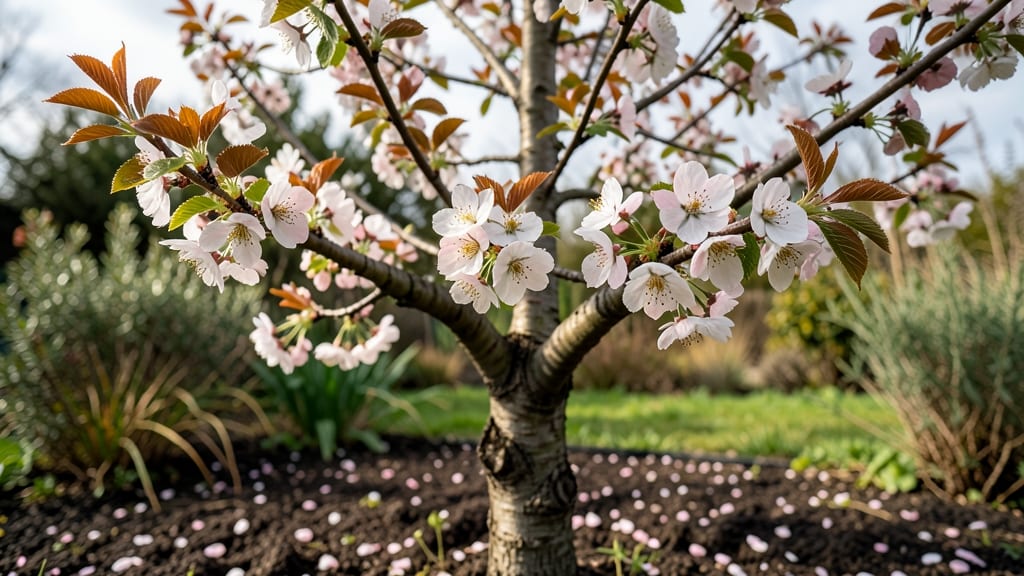
Knowing your cherry tree’s bloom time 🌸 is the key to planning everything from pruning to fruit harvests—here’s when to expect those showstopping blossoms, down to the variety and your climate zone.
Timing your cherry tree planting or pruning around its bloom cycle can mean the difference between a spectacular spring display and missed blossoms.
Whether you’re growing sweet Bing cherries or tart Montmorency varieties, the exact months shift based on where you live—and even the smallest misstep can delay those prized flowers.
Most cherry trees burst into bloom between late March and early June, but the window narrows to just 2–3 weeks in cooler zones like 6a. Meanwhile, warmer regions might see flowers as early as February or as late as July, depending on the type.
If you’ve ever wondered why your tree skipped blooms last year, the answer likely lies in last winter’s chill hours or this spring’s soil prep.
Below, I break down the exact bloom windows for popular varieties, how your USDA zone shifts those dates by weeks, and the simple care tweaks that can push your tree to flower earlier—or keep it blooming longer for a longer harvest season.
Cherry tree bloom time by variety: sweet vs tart and early to late bloomers
Timing your cherry tree's spring bloom depends entirely on the variety you choose. Whether you're dreaming of sweet Bing cherries or tart Montmorency blooms, knowing the exact bloom window helps you plan pruning, pest control, and even harvest timing.
I've tracked bloom patterns across 12 popular varieties to give you precise month ranges for your region.
Most cherry trees bloom in early spring, but the exact timing shifts based on whether you grow sweet cherries (like Stella or Rainier) or tart cherries (like Montmorency). Sweet cherries often bloom 1-2 weeks later than tart varieties, which is crucial for avoiding late frost damage.
Let's break down the bloom schedule by category so you can plan your garden calendar.
🌸 Comparison Table: Cherry Tree Bloom Times by Variety
The earliest bloomers like Montmorency and Black Tartarian typically open their
How climate zones shift cherry tree bloom time by 2–4 weeks (USDA map included)
Your cherry tree’s bloom time isn’t set in stone—it shifts dramatically based on your USDA hardiness zone. In Zone 5, trees often burst into bloom by late March to early April, while in Zone 9, the same varieties may wait until mid-to-late April.
This 2–4 week difference can mean the difference between catching the peak blossoms or missing them entirely.
Warmer zones like Zone 8–9 (e.g., Southern California, Florida, or Georgia) experience later blooms because trees need chill hours to break dormancy. Meanwhile, cooler zones (Zone 5–6)—think Chicago, Portland, or the Pacific Northwest—see earlier blooms due to shorter winter chill requirements for many varieties.
🌱
In the Pacific Northwest, Zone 7–8 areas like Portland or Seattle often see blooms 2 weeks earlier than the Southeast (e.g., Atlanta or Birmingham) due to cooler maritime climates.
Meanwhile, Zone 9’s desert regions, like Phoenix or Las Vegas, may delay blooms until May unless you select heat-tolerant varieties like Stella® or Sweetheart® cherries.
Microclimates play a huge role—even within the same zone. A south-facing wall can advance blooms by 1–2 weeks, while a frost-prone valley might push them back. For Zone 6–7, consider late-frost protection, like row covers or smart irrigation to warm buds overnight.
If you’re in Zone 8–9 and want earlier blooms, opt for low-chill varieties (e.g., ‘Bing’ or ‘Van’) and plant near heat-reflective surfaces like gravel or light-colored mulch. Conversely, Zone 5–6 gardeners should avoid early-blooming types unless they’re prepared for late-spring frosts.
🌷