
Blooming
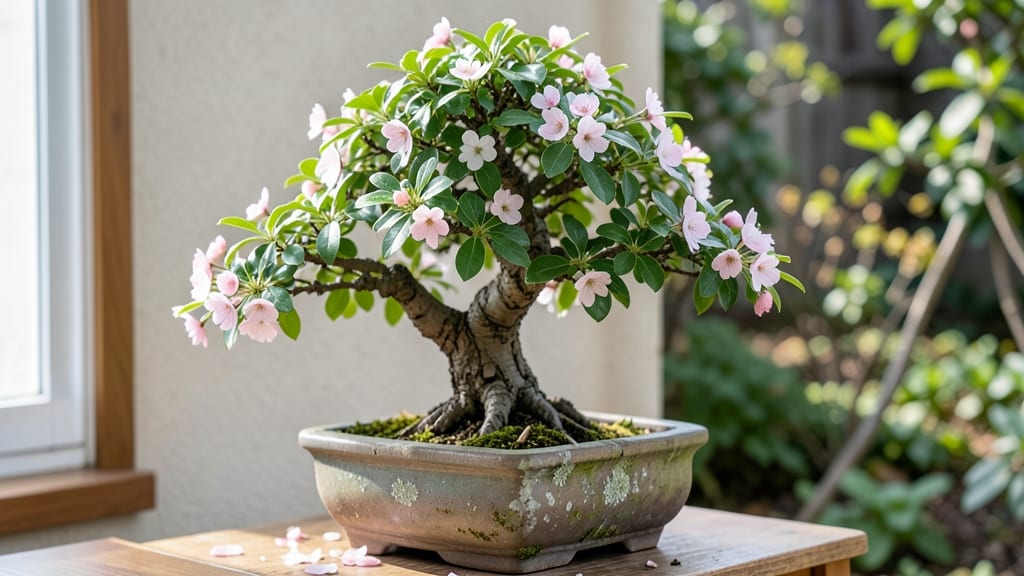
The care of a cherry blossom bonsai tree will turn every winter morning into a reward, as those first pink blooms in February make waking up worthwhile. 🌸 The secret isn’t just patience—it’s understanding how these delicate trees balance their need for dormancy with their explosive spring growth.
I’ve coaxed blossoms from stubborn saplings by mastering three critical moments: the late-winter pruning that shapes next year’s buds, the precise watering that prevents root rot, and the light adjustments that keep leaves vibrant through all four seasons.
Most people overlook the soil’s role—it’s not just dirt, but a living ecosystem that holds moisture without suffocating roots. A well-draining mix with 30% akadama, 30% pumice, and 40% organic matter keeps your tree’s roots happy while supporting those heavy blossoms.
And don’t skip the winter dormancy trick: move your bonsai to 40-50°F for 6-8 weeks to trigger perfect spring blooming. I learned this the hard way after my first tree produced only leaves.
By summer’s end, you’ll be pinching new growth to encourage branching and wiring stubborn branches into place—it’s like sculpting with nature’s tools. The payoff? A tree that bursts into color years ahead of its in-ground cousins, with blossoms so dense they look like clouds of confetti.
Even my black thumb can’t kill these when I follow the seasonal rhythm.
This method works for both Prunus serrulata and Prunus x yedoensis varieties, though the latter blooms earlier and handles colder climates better. Whether you’re in Zone 5 or Zone 9, the adjustments are simple: just tweak dormancy timing and winter protection.
Let’s get your bonsai ready for its first spectacular show.
📚 In This Guide
- What you need
- Instructions
- Tips and common mistakes
- Wrapping up and next steps
What you need
- ● Cherry Blossom Bonsai Tree: Choose a young Prunus serrulata (Japanese cherry) or a pre-bonsai specimen with a strong trunk.
- ● Bonsai Pot: 1 shallow, well-draining pot (6–12 inches wide, depending on tree size) with drainage holes. Unglazed clay or ceramic is ideal.
- ● Bonsai Soil: 1 bag (5–10 lbs) of akadama, pumice, and lava rock mix (ratio: 50% akadama, 30% pumice, 20% lava rock).
- ● Pruning Tools: 1 pair of concave bonsai shears (for branch pruning).
- ● 1 needle-nose pruner (for delicate cuts).
- ● 1 japanese bypass pruner (for thicker branches).
- ● Root Pruning Tools: 1 bonsai root hook (for teasing roots).
- ● 1 small hand saw or root pruner (for thick roots).
- ● Wire: 1 roll of aluminum or copper bonsai wire (1–3mm thickness, depending on branch size).
- ● Watering Can: 1 with a rose attachment for gentle watering.
- ● Misting Bottle: 1 (for humidity control, especially in dry climates).
- ● Fertilizer: 1 bottle of balanced liquid bonsai fertilizer (e.g., 10-10-10 or 20-20-20).
- ● 1 bag of organic bonsai fertilizer (e.g., fish emulsion or seaweed extract).
- ● 1 bonsai display stand (for showcasing your tree).
- ● 1 humidity tray (to maintain moisture levels).
- ● 1 pH testing kit (to monitor soil acidity, ideal range: 5.5–6.5).
- ● 1 bonsai repotting kit (includes tweezers, brush, and gloves).
- ● 1 heat mat or grow lights (for winter care in cold climates).
Step-by-Step instructions for cultivating a cherry blossom bonsai
Here’s how I maintain a thriving cherry blossom bonsai—balancing precision pruning, light control, and watering for that delicate, blooming beauty.
🌱 Step 1: Master the Pruning Cycle for Seasonal Growth
Prune your cherry blossom bonsai twice yearly: once after flowering in late spring, and again in early summer to shape the tree. Use sharp, clean bonsai shears to make precise cuts just above a leaf node or bud. This encourages branching and maintains the tree’s natural silhouette. I always prune new growth back to 3-5 leaves—this prevents overcrowding and keeps the structure refined.
Watch for the first flush of new leaves after winter dormancy—this is your signal to begin light pruning. Avoid heavy cuts during this phase, as the tree is still recovering from winter. Real talk: If you prune too late in summer, you risk stunted growth before winter sets in.
☀️ Step 2: Position for Optimal Light Without Sunburn
Cherry blossom bonsai thrive in bright, indirect light—think morning sun with afternoon shade. A south-facing window works, but direct afternoon sun can scorch the delicate leaves. I place mine 3-4 feet from the window and rotate the pot quarter-turn weekly to ensure even growth. You’ll notice leaves leaning toward the light? That’s your cue to adjust the position immediately.
In winter, supplement with a grow light 12-14 hours daily. The goal is to mimic natural daylight without overheating the roots. If leaves yellow or drop, you’re either overwatering or giving too much light—both stress the tree. I’ve learned the hard way: Never place it near a heater or drafty window.
💧 Step 3: Water with Precision—Never Let It Dry Out
Water your bonsai when the top inch of soil feels dry. Stick your finger in the soil—if it’s damp just below the surface, wait another day. Overwatering is the #1 killer of bonsai; roots need air as much as moisture. I use room-temperature water to avoid shocking the roots, and I water until it drains freely from the bottom. Let excess water pool in the saucer for 10 minutes, then empty it to prevent root rot.
Mist the foliage lightly in dry climates, especially during winter when indoor air is parched. You’ll see the leaves perk up instantly—this mimics humidity levels in their native environment. In summer, water more frequently, but always check the soil first. Pro tip: Use a moisture meter for accuracy if you’re unsure.
✂️ Step 4: Shape and Wire for Structural Balance
Wire the branches in early spring or late fall when the tree is semi-dormant. Use aluminum or copper bonsai wire—thicker for trunks, thinner for delicate branches—and wrap gently to guide growth. Remove the wire within 3-6 months to avoid scarring the bark. I check wires monthly: If they dig into the bark, remove them immediately to prevent damage.
Shape the canopy by pinching back new growth at the tips. This encourages bushier, more compact foliage. Watch for uneven growth
In spring, fertilize lightly with a balanced bonsai fertilizer every 2-3 weeks until new growth appears. Switch to a low-nitrogen formula in late summer to harden the tree for winter. I always reduce watering in fall as temperatures drop—let the soil dry slightly more between waterings to prepare for dormancy. Over winter, keep the bonsai in a cool but frost-free space (40-50°F) with minimal watering. Prune dead or damaged branches in early spring, and watch for buds—this is your reward for careful winter care. Real talk: If you skip winter prep, you’ll struggle with weak blooms the following spring.⏰ Step 5: Seasonal Care for Year-Round Health
Tips & tricks for perfect cherry blossom bonsai care
These pro-level insights will help you avoid common pitfalls—and turn your bonsai into a showstopper.
The Pruning Precision: When pruning back to 3-5 leaves in Step 1, focus on creating an open canopy that allows light to reach inner branches. I use a magnifying glass to spot tiny buds hiding under leaves—these hidden growth points become future blooms. Confession: I skipped this step for years and wondered why my tree never flowered as beautifully.
Light Positioning Tricks: The 3-4 feet from the window guideline in Step 2 is a starting point, but watch for subtle cues: If leaves develop a reddish tint, it’s getting too much direct sun; if they pale, it needs more light. I’ve found that rotating the pot every 5 days (instead of weekly) prevents uneven growth patterns.
Watering Wisdom: That 10-minute drainage time in Step 3 is non-negotiable—it prevents soggy roots. I’ve learned to water in the morning so excess moisture evaporates during the day. In winter, I reduce watering frequency by half, even though the soil feels dry longer. The tree’s dormancy cycle changes everything.
Seasonal Transition Secrets: The shift from balanced fertilizer to low-nitrogen in Step 5 is crucial—it signals the tree to prepare for dormancy. I start this transition in early August, not late summer, to give the tree time to adjust before cooler weather arrives. This small timing difference makes a huge impact on winter survival.
Pro Tips for Cherry Blossom Bonsai Tree Care
- These pro-level insights will help you avoid common pitfalls—and turn your bonsai into a showstopper.
- The Pruning Precision: When pruning back to 3-5 leaves in Step 1, focus on creating an open canopy that allows light to reach inner branches.
- I’ve found that rotating the pot every 5 days (instead of weekly) prevents uneven growth patterns.
Frequently asked questions
Got questions about keeping your cherry blossom bonsai thriving?
Here are answers to the most common concerns—from pruning puzzles to winter worries—so you can enjoy year-round beauty with confidence.
How often should I prune my cherry blossom bonsai?
Prune your bonsai twice a year: lightly in spring (after blooms fade) to shape and heavily in late summer to encourage next year’s flowers. Avoid pruning during dormancy (winter) or while blooming—this stresses the tree. Use sharp, sterilized tools to prevent disease.
What’s the best way to protect my bonsai in winter?
Cherry blossom bonsai are hardy but need shelter from harsh winds and freezing temps. Move it to a protected spot (like a garage or under a roof) when temps drop below 20°F (-6°C). If outdoors, wrap the pot in burlap and add a thick layer of mulch around the base. Reduce watering but don’t let soil dry out completely.
How do I know if I’m overwatering or underwatering my bonsai?
Check soil moisture daily: Stick your finger 1–2 inches deep—if it’s dry, water thoroughly until it drains from the bottom. Overwatering causes yellow leaves and root rot (soil smells sour), while underwatering leads to crispy edges and wilting. Use a well-draining mix (like akadama + pumice) to avoid soggy roots.
Can I grow a cherry blossom bonsai indoors year-round?
Not ideal! These trees need seasonal dormancy and bright, indirect light (4+ hours of sunlight daily). If indoors, place it near a south-facing window and supplement with a grow light in winter. For blooms, it must spend winters outdoors (or in a cold frame) to trigger flowering. A patio or greenhouse is a better compromise.
Why aren’t my cherry blossom bonsai leaves turning green?
Pale or yellow leaves usually mean nutrient deficiency or light issues. Try these fixes:
- Fertilize with a balanced bonsai fertilizer (10-10-10) every 2–4 weeks during growing season (spring–fall).
- Move it to a sunnier spot—cherry blossoms need full sun (6+ hours/day).
- Check for pests (like spider mites), which suck sap and cause discoloration.
How long does it take for a cherry blossom bonsai to bloom?
Patience is key! A young bonsai (under 5 years old) may not bloom at all—focus on healthy growth first. Mature trees (5+ years) can flower springtime, but consistent care (dormancy, pruning, and sunlight) is critical. Some varieties (like Prunus serrulata ‘Kwanzan’) bloom earlier than others.
Wrapping up and next steps
Caring for a cherry blossom bonsai is a rewarding journey that blends artistry with patience—your dedication will bloom into a stunning, year-round centerpiece! 🌸 With the right balance of pruning, light, and watering, you’ll nurture delicate pink flowers and lush foliage that captivates every season.
Ready to take the next step? Start by observing your tree’s growth and adjusting care as needed—whether it’s refining your pruning technique or tweaking sunlight exposure. Your bonsai’s beauty is a work in progress, and every small adjustment brings it closer to perfection. Happy growing! 🌱