
Trees
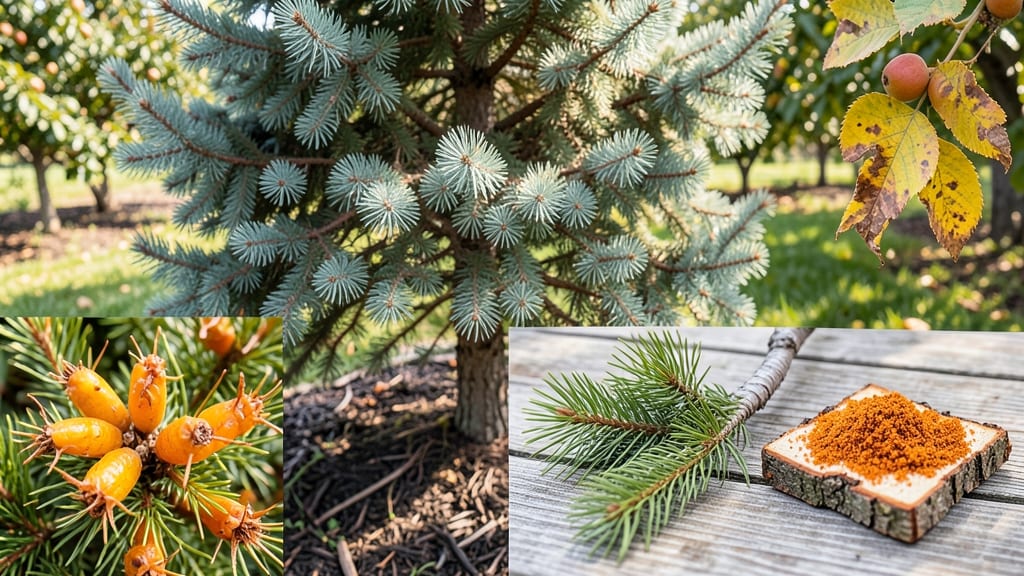
That orange gunk on your cedar needles isn’t just unsightly—it’s cedar tree rust, a fungal infection that spreads fast if you ignore it. 🌿 I’ve battled this stubborn problem for years, and I’ll show you how to stop it before it ruins your tree’s health or jumps to nearby junipers.
The fungus thrives in damp conditions, turning needles yellow and littering the ground with orange pustules by spring. Most gardeners panic and reach for harsh chemicals, but the real fix starts with pruning infected branches (at least 6 inches below the damage) and cleaning up fallen spores.
Resistant cultivars like Thuja occidentalis ‘Smaragd’ can also save you headaches down the road.
Once you act, you’ll see fresh green needles within weeks—no more rusty patches or weakened growth. The key is early intervention: check your cedars in early spring before spores take hold, and you’ll keep your tree looking sharp for decades. Here’s how to tackle it step by step.
This works for both landscape cedars and small garden varieties, even in tight spaces. The secret? Timing and cleanup—not just sprays. Let’s get your trees back to their best.
Understanding Fungal Infection Triggers
Cedar tree rust isn’t just a random cosmetic issue—it’s a fungal infection with specific causes rooted in biology, weather, and tree health. Understanding these triggers helps you take action before the problem spreads. Let’s break down the key factors that turn your cedar trees into a fungal buffet.
Healthy trees resist rust infections, but when cedars are stressed, their defenses drop. Here’s what makes them vulnerable:
- 🌡️ Environmental Stress
- Drought or extreme heat weakens trees by reducing their ability to produce protective compounds like phenolics and tannins, which naturally repel fungi.
- Actionable tip: Deep watering (1–2 inches per week) during dry spells keeps roots strong and sap flowing—critical for fungal resistance.
- 🐛 Pest Damage
- Insects like cedar bark beetles or spider mites create entry points for rust spores. Even bagworms can stress trees enough to invite infection.
- Pro tip: Prune damaged branches in late winter (before spores spread) and treat pests with neem oil or horticultural oil for organic control.
- 🌿 Poor Soil Health
- Compacted or nutrient-deficient soil limits a tree’s ability to fight off pathogens. Cedar trees thrive in well-draining, slightly acidic soil (pH 5.0–7.0).
- Fix it: Test soil annually and amend with compost or pine bark fines to improve structure and microbial activity.
Rust fungi (Gymnosporangium species) need specific weather to germinate and spread. These conditions turn your cedar into a rust magnet:
| Factor | Why It Matters | How to Mitigate |
|---|---|---|
| 💧 High Humidity (70%+) | Spores thrive in moist conditions, especially on wet foliage. Humidity >70% for 24+ hours creates the perfect breeding ground. | Improve air circulation with pruning and spacing (keep trees 6–10 feet apart). Use fungicides like copper-based sprays before rainy seasons. |
| 🌡️ Cool Temperatures (50–70°F) | Rust spores germinate best in spring and fall when temps hover in this range. Warmth alone won’t stop them. | Monitor forecasts and apply preventative fungicides (e.g., propiconazole) in early spring (March–April) and late summer (August–September). |
| 🌧️ Frequent Rainfall | Rain splashes spores onto needles, accelerating infection. Overhead watering (like sprinklers) mimics this effect. | Use drip irrigation to keep foliage dry. Remove infected branches immediately and dispose of them in sealed bags. |
Most cedar rust fungi require two hosts to complete their lifecycle: cedar trees and another plant, often apple, hawthorn, or junipers. If these alternate hosts grow nearby, your cedars are at higher risk.
- 🍎 How It Works
- Spores from the alternate host (e.g., apple trees) infect cedar needles, causing orange pustules.
- Later, cedar trees produce telial horns (tuber-like structures) that release spores back to the alternate host.
- Key fact: Removing alternate hosts within 100 feet of cedars can reduce rust by up to 80%.
- 🔍 What to Do
- Inspect nearby trees for rust galls or distorted leaves (common on apples/juniper).
- Prune or remove infected alternate hosts in late winter to break the cycle.
- ✨ Pro move: Replace rust-susceptible plants (like Eastern red cedar) with Western red cedar or Thuja species, which are more resistant.
Fungal Fixes for Tree Health
Fungal infections like cedar tree rust can be frustrating, but with the right approach, you can restore your tree’s health and prevent further spread. The key is to act quickly and target the root causes—whether it’s overcrowded branches, poor airflow, or existing spores.
Below are practical, step-by-step solutions tailored to the most common triggers of rust in cedar trees, plus prevention tips to keep your trees thriving.
Cause: Rust spores thrive on decaying needles and weak branches, spreading faster when left untreated.
How to Fix It:
- 🔪 Prune Infected Areas – Use sterilized pruning shears (clean with rubbing alcohol) to cut off branches with orange pustules or yellowing needles. Dispose of them in a sealed plastic bag (not your compost bin!).
- 🌡️ Thin Out Dense Foliage – If your cedar is overcrowded, trim back up to 25% of the canopy to improve airflow. Aim for a vase-like shape to reduce humidity buildup.
- 🧹 Clean Up Debris – Rake and remove fallen needles from the base of the tree and surrounding soil. Rust spores can survive in leaf litter for years!
💡 Pro Tip: Prune in late winter or early spring (before new growth) to minimize stress on the tree. Avoid heavy pruning in summer—it can invite more fungal stress.
Cause: Overwatering or poor soil drainage creates soggy conditions, perfect for rust spores to germinate.
How to Fix It:
- 🌧️ Adjust Watering – Cedar trees hate wet feet. Water deeply 1-2 times per week (depending on climate) and let the top 2-3 inches of soil dry out between waterings.
- 🏗️ Amend Heavy Soil – If your soil is clay-heavy, mix in compost or sand to improve drainage. A 5-10 inch layer of mulch (keep it 3 inches away from the trunk) helps retain moisture without suffocating roots.
- 🚰 Check for Irrigation Issues – If your tree is under a sprinkler, switch to drip irrigation or soaker hoses to avoid wetting the foliage.
✨ Prevention Hack: Install a French drain or swale around the tree’s base if your yard has poor drainage. This redirects excess water away from the roots.
Cause: Severe infections may require chemical intervention to break the rust cycle.
How to Fix It:
- 🍄 Choose the Right Fungicide – Opt for copper-based fungicides (like Copper Soap) or neem oil for organic control. These disrupt the fungal spore development without harming beneficial insects.
- 🎯 Timing Is Everything – Apply fungicide at the first sign of pustules (early spring or after rain) and reapply every 2-4 weeks until new growth appears healthy.
- 👨🍳 Follow Label Instructions – Mix and apply evenly on both sides of the needles, focusing on the lower canopy where spores often gather.
💡 Pro Tip: For preventive care, spray fungicide once in early spring (before rust appears) to create a protective barrier.
Cause: Weak, nutrient-deficient cedars are more susceptible to rust and other pests.
How to Fix It:
- 🍃 Fertilize Smartly – Use a balanced, slow-release fertilizer (like 10-10-10) in early spring. Avoid high-nitrogen fertilizers—they encourage soft, rust-prone growth.
- 💪 Strengthen with Micronutrients – A foliar spray of iron or zinc can help if your tree looks pale or stunted. Look for products labeled for evergreens.
- 🌿 Avoid Stressors – Minimize physical damage (like lawnmower hits) and competition from weeds (they steal nutrients).
🎯 Long-Term Prevention: Plant resistant cedar varieties (like ‘Green Cascade’ or ‘Emerald Green’) if rust is a recurring issue in your area.
If your cedar tree shows:
- Large patches of dead branches (over 50% of the canopy)
- Repeated rust outbreaks despite treatment
- Signs of other diseases (like bark canker or needle blight)
A certified arborist can assess the tree’s health, recommend targeted treatments, or determine if removal is the safest option.
Final Thought: 🌟 Prevention is your best defense! By keeping your cedar well-pruned, properly watered, and fungus-free, you’ll give rust spores little chance to take hold. Start with one or two fixes this season, and watch your tree bounce back to its lush, green glory.
Frequently asked questions about cedar tree rust
What do cedar tree rust pustules look like?
Cedar rust pustules appear as bright orange, powdery bumps on the underside of needles—often 1/8 to 1/4 inch wide. In spring, they may look like tiny puffs of rust-colored dust. Later in the season, you might spot telial horns (tuber-like structures) on infected branches, which release spores back to alternate hosts like apple trees.
Can I save my cedar tree if it already has rust?
Yes! Start by pruning infected branches 6 inches below the visible pustules and disposing of them in sealed bags. Apply a copper fungicide (like Copper Soap) every 2-4 weeks until new growth appears. For severe cases, combine this with neem oil sprays and improve airflow by thinning dense foliage.
Will cedar tree rust kill my tree?
While cedar rust rarely kills mature trees, it weakens them by reducing photosynthesis. Severe infections can cause needle drop and stunted growth. The real risk is spread to nearby junipers or apple trees, which can suffer more damage. Act early to prevent long-term stress.
How do I prevent rust from spreading to other plants?
Remove infected cedar branches immediately and dispose of them in sealed bags (don’t compost!). Inspect nearby apple, hawthorn, or juniper trees for rust galls and prune those too. Space cedars 6-10 feet apart to improve airflow, and avoid overhead watering—use drip irrigation instead.
Are there rust-resistant cedar varieties?
Yes! Opt for Western red cedar (Thuja plicata) or cultivars like ‘Green Cascade’ or ‘Emerald Green’, which show better resistance. If you have Eastern red cedar (Juniperus virginiana), prune aggressively and monitor for early signs of rust—these varieties are more susceptible.