
Container Gardens
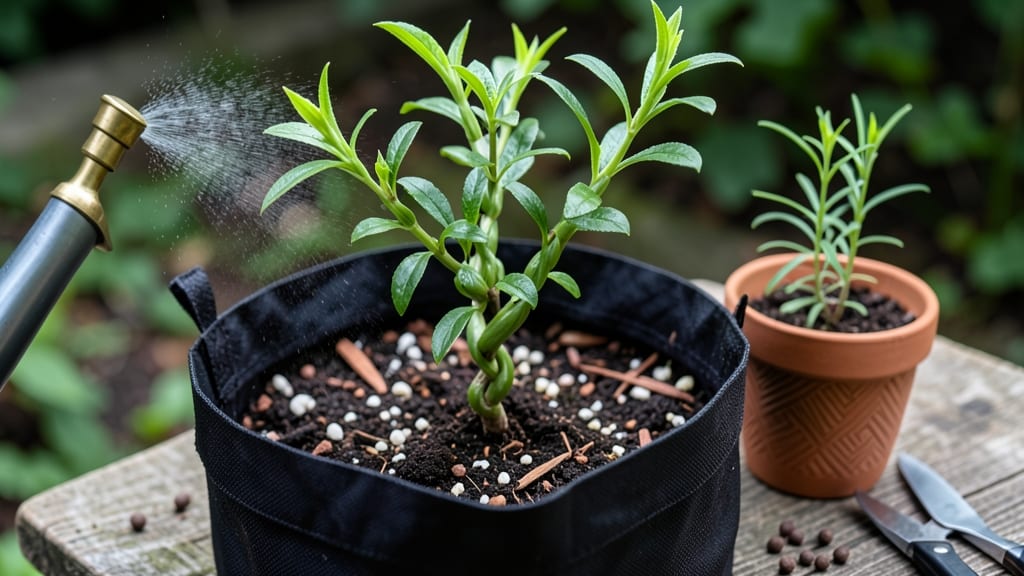
Braided willow tree care in pots keeps your lush, elegant plant thriving with just a few key adjustments. 🌿 I’ve kept mine thriving for years by focusing on three simple priorities: well-draining soil, consistent moisture, and the right container size. The braids won’t tighten on their own—you’ll need to guide them gently, but the payoff is worth it.
The secret to container care lies in the roots. Use a mix of potting soil and perlite to prevent soggy roots, and water only when the top inch feels dry.
Most problems—like yellowing leaves or stunted growth—come from overwatering or cramped roots. A pot with drainage holes and at least 12 inches of depth gives roots room to breathe.
With proper care, your willow will grow 6-8 feet tall in containers, its cascading branches creating a stunning focal point. The best part? Minimal pruning keeps it looking intentional year-round. Just trim back any leggy growth in early spring, and you’ll encourage fresh, vibrant braids.
This works for both indoor and outdoor spaces—just adjust sunlight exposure. In winter, move pots to a sheltered spot, and in summer, keep them in partial shade to prevent leaf scorch. The braids will stay tight and the foliage will stay rich green if you stick to this routine.
📚 In This Guide
- What you need
- Instructions
- Tips and common mistakes
- Wrapping up and next steps
What you need
- ● Pot(s): 1 large container (18–24" diameter) with drainage holes for the main tree.
- ○ 1–2 smaller pots (10–12" diameter) for the braided stems (optional, if not using a single container).
- ● Potting Mix: 5–10 gallons of well-draining, moisture-retentive soil blend (e.g., 60% potting soil, 30% perlite, 10% compost).
- ● Young Willow Tree: 1–3 live-staked willow cuttings (e.g., Salix babylonica or Salix matsudana) or a single potted willow sapling.
- ● Tools: Pruning shears (sterilized).
- ● Garden twine or soft plant ties (for braiding).
- ● Trowel or small shovel.
- ● Watering can with a fine rose nozzle.
- ● Mulch (2–3 inches of bark or straw to retain moisture).
- ● Fertilizer (balanced 10-10-10 or slow-release granules for spring feeding).
- ● Epsom salt (1 tbsp/month in water for magnesium boost).
- ● Decorative pebbles or moss (for aesthetic touch in the pot).
- ● Support stakes (if braiding requires extra stability).
Step-by-Step instructions for growing and maintaining braided willow trees in pots
Here's how to keep your braided willow thriving in containers, with easy care that highlights its natural beauty.
🪴 Step 1: Select the Right Container and Soil Mix
Choose a large, wide pot with drainage holes—at least 18-24 inches in diameter for each braid. Braided willows need room for their roots to spread and stabilize. I use a heavy ceramic pot to prevent tipping, especially outdoors where wind can catch the branches.
Fill the bottom 2-3 inches with a mix of 1/3 perlite or coarse sand and 2/3 potting soil. This improves drainage while keeping moisture available. Avoid garden soil—it compacts and suffocates roots. Add a handful of slow-release fertilizer to the mix for steady growth.
☀️ Step 2: Plant and Position for Optimal Growth
Remove the braided willow from its nursery pot and gently loosen the roots if they're circling. Place it in the center of your prepared container, spreading the roots evenly. Cover with soil, pressing lightly to remove air pockets but not compacting too firmly.
Position your pot in full sun to partial shade—at least 6 hours of sunlight daily for best growth. If outdoors, choose a sheltered spot to protect from strong winds that can damage the delicate braids. If indoors, place near a south-facing window or under a grow light for 12-14 hours of light daily.
💧 Step 3: Water Consistently Without Overdoing It
Water deeply until it drains from the bottom, then wait until the top 1-2 inches of soil feel dry before watering again. Braided willows prefer consistent moisture but hate soggy roots. In hot weather, you might need to water every 2-3 days, while cooler months may only require weekly watering.
Check the soil with your finger—if it feels damp below the surface, hold off on watering. Overwatering causes yellow leaves and root rot. Mulch the soil surface with 1 inch of organic mulch (like bark chips) to retain moisture and keep roots cool.
✂️ Step 4: Prune Strategically to Maintain Shape and Health
Minimal pruning is needed, but trim back any leggy growth in early spring using clean, sharp pruners. Cut just above a leaf node to encourage bushier growth. If a branch breaks, prune it back to a healthy joint rather than leaving a stub.
Remove any dead or yellowing leaves throughout the year to keep the plant looking its best. Avoid heavy pruning—braided willows rely on their structure for stability. If the braids start to unravel, gently weave them back together and secure with soft plant ties until they regain their shape.
🌿 Step 5: Fertilize and Winterize for Long-Term Success
Feed your braided willow with a balanced, water-soluble fertilizer every 4-6 weeks during spring and summer. Reduce feeding in fall and stop completely in winter. Over-fertilizing causes salt buildup in the soil, which harms roots.
For winter care, move pots indoors to a cool, bright location if temperatures drop below 20°F. Reduce watering significantly—only enough to keep the soil slightly moist. If left outdoors, protect with a thick layer of mulch and a frost cloth to shield from harsh winds and freezing temperatures.
Tips & tricks for perfect braided willow tree care in pots
Between us, these little details make all the difference when keeping your braided willow looking like a showstopper year-round.
Container Stability: I learned this the hard way after watching my first braided willow topple in a summer storm. For outdoor pots, anchor them with heavy stones or a pot saver to prevent tipping—especially since these trees grow top-heavy as they mature. If you're using a lightweight plastic pot, consider adding weights to the bottom before planting.
Soil Mix Secrets: The 2-3 inches of perlite/sand mix in Step 1 isn't just about drainage—it's about creating an oxygen-rich zone for those delicate roots. I like to add a handful of orchid bark to this layer too (optional) for extra aeration. This prevents that "soggy bottom" feeling that leads to root rot, especially in our humid summers.
Light Positioning: That 6 hours of sunlight recommendation is non-negotiable, but here's what nobody tells you: braided willows actually prefer morning sun and afternoon shade in hot climates. If you notice leaves curling or browning, it might be getting too intense. A sheer curtain on south-facing windows can work wonders for indoor plants during peak afternoon heat.
Winter Care: When temperatures drop below 20°F, I move my pots into an unheated garage with a grow light for 4-6 hours daily. The key is keeping them dormant but not completely dry—water just enough to prevent the soil from drying out completely. This mimics their natural winter cycle and prevents shocking the roots when spring arrives.
Pro Tips for Braided Willow Tree Care In Pots
- Between us, these little details make all the difference when keeping your braided willow looking like a showstopper year-round.
- Container Stability: I learned this the hard way after watching my first braided willow topple in a summer storm.
- Soil Mix Secrets: The 2-3 inches of perlite/sand mix in Step 1 isn't just about drainage—it's about creating an oxygen-rich zone for those delicate roots.
Frequently asked questions
about braided willow trees in pots—because even the most graceful plants need a little troubleshooting love! Here’s what gardeners ask most often:How often should I water my braided willow tree in a pot?
Water deeply every 2–3 days in summer (or daily if the soil feels bone-dry). In cooler months, reduce to once a week unless the pot drains quickly. Pro tip: Stick your finger 2 inches into the soil—if it’s dry, it’s time to water!
Can braided willows survive winter in pots?
Yes! Move pots to a sheltered, shady spot (like a garage or under an eave) before temps drop below 20°F (-7°C). Wrap the pot in burlap or bubble wrap for extra insulation. Bonus: Mulch the soil with straw to protect roots.
Why is my braided willow losing leaves or turning brown?
Brown leaves often mean overwatering, root rot, or cold stress. Check drainage holes first—pots need to dry out slightly between waterings. If roots smell sour or look mushy, repot in fresh, well-draining soil and trim affected roots. Sunburn can also cause browning; move to partial shade if leaves scorch.
What’s the best pot size for a braided willow?
Start with a 12–18 inch diameter pot for young trees (1–2 years old). Mature braided willows need at least 24 inches of depth and width. Use terracotta or fabric pots for better airflow—avoid plastic, which traps moisture and encourages rot.
Can I grow a braided willow in a hanging basket?
Not ideal! Braided willows need sturdy support for their heavy branches. Instead, opt for a wide, shallow pot (like a half-barrel) or a freestanding container with a trellis. If you’re set on a hanging style, choose a dwarf variety (like Salix caprea ‘Pendula’) and secure the pot tightly.
Wrapping up and next steps
Caring for a braided willow tree in a pot is a rewarding journey—just a little patience and love go a long way! 🌿 With the right soil, container, and occasional pruning, you’ll enjoy its graceful, arching beauty year-round.
Whether you’re a seasoned gardener or a beginner, this low-maintenance plant is perfect for adding charm to patios, balconies, or even indoor spaces.
Now that you’re armed with tips, why not start your braided willow adventure today? Pick your pot, gather your supplies, and watch your little tree thrive—one braid at a time! 🌱