
Pruning
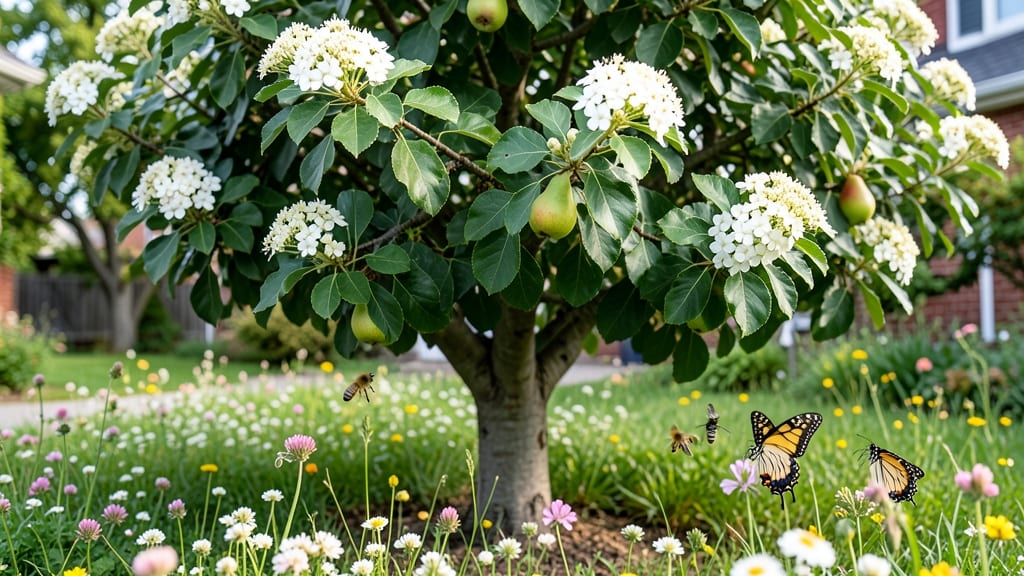
Your Bartlett pear tree needs pollinators to turn flowers into fruit—without them, you'll stare at blossoms all spring and harvest nothing. 🐝 I learned this the hard way after years of pruning and fertilizing only to end up with empty branches, and the fix was simpler than I expected: inviting the right helpers into your orchard.
Bees are the superstars here, especially honeybees and native bumblebees, but wind can step in if your yard lacks buzzing visitors. Planting a second pear variety within 50 feet ensures cross-pollination even when bees are scarce.
The timing matters too—most Bartletts bloom in early spring, so attracting pollinators before those flowers open is critical. What you'll end up with is a tree heavy with fruit by late summer, sweet pears that ripen perfectly when left on the branch.
The key is creating a pollinator-friendly environment: water sources, native flowers, and avoiding pesticides during bloom season. Your neighbors might even start asking for cuttings after their trees stay barren.
Start by planting companion trees like Seckel or Anjou pears—they bloom at similar times and create a pollination network. If bees aren't visiting, hand-pollinate with a small brush during dry mornings when flowers are open.
The effort pays off when your tree produces 100+ pears instead of a dozen, and you'll never waste another spring wondering why your blossoms failed to set fruit.
This works for backyard orchards, small farms, or even single trees in suburban yards. The same principles apply whether you have one tree or a dozen—pollinators are the secret ingredient that turns pretty flowers into a harvest you can actually enjoy. Let's get those bees buzzing!
📚 In This Guide
- What you need
- Instructions
- Tips and common mistakes
- Wrapping up and next steps
What you need
- ● Native flowering plants (e.g., lavender, bee balm, clover, or wildflowers) – at least 3-5 varieties for diverse pollinator support.
- ● Pollinator-friendly mulch (e.g., wood chips or straw) – 2-3 inches deep around the tree base.
- ● Water source – A shallow dish or birdbath with pebbles for landing (refill weekly).
- ● Pesticide-free environment – Avoid chemicals; opt for organic sprays (e.g., neem oil) if pests appear.
- ● Pruning tools: Bypass pruners (for small branches)
- ● Loppers (for medium branches, 2-4 inch cut capacity)
- ● Pruning saw (for thick branches, if needed)
- ● Gloves & safety gear – Heavy-duty gardening gloves and eye protection for pruning.
- ● Pollinator houses – Small wooden bee hotels for solitary bees.
- ● Drip irrigation system – For consistent watering of flowers.
- ● Native shrubs/trees – Like serviceberry or elderberry for extended blooming seasons.
- ● Citrus peels or sugar water – As a temporary pollinator attractant (use sparingly).
- ● A healthy Bartlett pear tree (at least 3-5 years old for optimal pollination).
- ● Access to sunlight (6+ hours daily for flowering plants).
- ● Knowledge of local pollinators (check regional bee/wasp species for best plant choices).
How to attract and support Bartlett pear tree pollinators
Here’s how to create a thriving ecosystem that brings in the bees and butterflies your Bartlett pears need for sweet, abundant fruit.
🐝 Step 1: Plant Companion Flowers to Draw Pollinators
Bartlett pear trees rely on bees, butterflies, and other pollinators, so the first step is to invite them with early-blooming flowers. Choose native varieties like apple blossoms, cherry blossoms, or clover—these bloom at the same time as pear trees and provide nectar when pollinators are most active. Plant them within 50 feet of your tree for easy access.
I like to mix in lavender, bee balm, and sunflowers for continuous blooms. The more color and variety, the better—pollinators are drawn to bright whites, yellows, and purples, which stand out against the pear tree’s pale blossoms. Avoid pesticides entirely during bloom season, as even "safe" sprays can disorient or kill pollinators.
☀️ Step 2: Provide Water and Shelter for Pollinators
Pollinators need clean water sources just as much as nectar. Set up a shallow birdbath or saucer filled with water and pebbles so bees and butterflies can drink without drowning. Place it near the tree but in partial shade—direct sun can heat the water too much, making it unsafe for delicate insects.
Add dense shrubs or small trees (like serviceberry or elderberry) around the pear tree to create shelter from wind and predators. Pollinators like leafcutter bees and mason bees nest in untreated wood or hollow stems, so leaving a few old logs or bamboo stakes nearby encourages them to stay year after year.
🌿 Step 3: Time Pruning to Protect Blooms and Pollinators
Bartlett pears bloom on second-year wood, meaning last year’s growth produces this year’s flowers. Prune after harvest (late fall or winter) to avoid cutting off potential bloom clusters. Thin out overcrowded branches to improve airflow—this helps pollinators move freely through the tree without getting stuck in dense foliage.
If you must prune in early spring, wait until after the first flush of blooms has faded. This ensures you’re not removing next year’s fruit-producing flowers. I also leave some "wild" branches—messy as they look, they provide extra hiding spots for beneficial insects like ladybugs and lacewings, which keep pests in check.
🍯 Step 4: Avoid Chemicals That Harm Pollinators
Even organic sprays can harm pollinators if applied during bloom. Skip all pesticides (including neem oil and insecticidal soap) while the pear tree is in flower—these can linger on petals and poison bees that land on them. Instead, handpick pests like pear psylla or use kaolin clay as a physical barrier to deter them without harming beneficial insects.
If you’ve used chemicals in past years, give the soil a break—some residues can persist and affect pollinator health. Amend the soil with compost and mycorrhizal fungi to boost tree resilience naturally. Healthy trees attract more pollinators because they produce stronger, more abundant blooms that stand out to insects.
⏰ Step 5: Monitor and Encourage Pollinator Activity
Watch for bees buzzing actively around pear blossoms—this is your sign pollination is working! If you see fewer than 5-10 bees per hour during peak bloom (usually late spring), add more pollinator-friendly plants or plant a second Bartlett pear tree nearby for cross-pollination backup.
Leave some dropped fruit on the ground under the tree—it feeds ground-dwelling pollinators like solitary bees and ants, which in turn help aerate the soil and support the tree’s ecosystem. A thriving pollinator population means bigger, sweeter pears—and fewer spots where fruit fails to set properly.
Tips & tricks for supporting Bartlett pear tree pollinators
Creating a pollinator-friendly environment isn't just about planting flowers—it's about crafting a thriving ecosystem that keeps bees and butterflies visiting your Bartlett pear tree year after year.
Location Matters: When planting companion flowers in Step 1, focus on creating a "pollinator corridor" within those 50 feet of your pear tree. I've found that placing flowers in clusters of at least 3-5 plants together creates a more visible target for bees, who can spot them more easily from a distance. This is especially important if your yard has open spaces where individual plants might get overlooked.
Timing is Everything: In Step 3, when pruning after harvest, I recommend marking your calendar for late November to early March—this gives you a clear window to avoid cutting off next year's blooms. The key is to prune when the tree is dormant, but before buds begin swelling in late winter. This timing ensures you're not accidentally removing potential fruit-producing wood.
Water Source Upgrade: For Step 2, while a simple birdbath works, I've had better success with a "pollinator pond" setup. Use a shallow container (no deeper than 2 inches) filled with water and add pebbles or small stones to create landing spots. Add a few floating plants like water hyacinth—their roots provide shelter for tiny pollinators while keeping the water cooler. Place it in partial shade to prevent overheating during peak summer afternoons.
Chemical-Free Zone: In Step 4, remember that even "organic" pesticides can harm pollinators. I've seen bees get disoriented from neem oil residues on flowers, so it's best to avoid all sprays during bloom season. Instead, I recommend installing yellow sticky traps away from your pear tree to monitor pest populations without harming beneficial insects. These traps help you track when pest populations become problematic so you can intervene with physical removal methods.
Pro Tips for Bartlett Pear Tree Pollinators
- Creating a pollinator-friendly environment isn't just about planting flowers—it's about crafting a thriving ecosystem that keeps bees and butterflies visiting your Bartlett pear tree year after year.
- Location Matters: When planting companion flowers in Step 1, focus on creating a "pollinator corridor" within those 50 feet of your pear tree.
- Timing is Everything: In Step 3, when pruning after harvest, I recommend marking your calendar for late November to early March—this gives you a clear window to avoid cutting off next year's blooms.
Frequently asked questions
Got questions about Bartlett pear tree pollinators? You’re not alone!
Here are answers to the most common concerns—from timing to troubleshooting—so you can maximize your harvest with confidence.
What pollinators naturally visit Bartlett pear trees?
Bartlett pear trees rely on bees (especially honeybees and native bumblebees) and flies for pollination. While they’re self-pollinating, cross-pollination boosts fruit size and yield. Planting nearby flowering perennials (like lavender or clover) attracts more pollinators!
When is the best time to ensure pollination?
Pollination happens during early spring blooms (March–May, depending on your climate). Ensure pollinators have access by avoiding pesticides during bloom time. Morning hours (when flowers are open) are peak activity for bees—ideal for manual pollination if needed.
Do I need to plant another Bartlett pear tree for pollination?
Not strictly, but planting a second Bartlett tree (or a compatible variety like Moonglow or Seckel) improves fruit set. If space is limited, hand-pollination with a soft brush can help, though it’s labor-intensive. Native pollinators often handle the job if flowers are healthy!
What if my tree isn’t producing fruit—could pollinators be the issue?
Check these first: poor pollinator activity, late frosts (damaging blooms), or pesticide use. If blooms aren’t visited, try planting bee-friendly flowers nearby or renting bee hives temporarily. Thin out excess fruit later to improve size!
Are there pollinator-friendly alternatives to pesticides?
Use neem oil, soapy water sprays, or companion planting (e.g., marigolds repel pests). Avoid systemic pesticides during bloom. Beneficial insects like ladybugs and lacewings also help—create a pollinator-friendly habitat with water sources and diverse plants!
Wrapping up and next steps
Understanding the role of bartlett pear tree pollinators is the first step toward a thriving orchard! 🌿 From bees to butterflies, these tiny helpers play a vital role in ensuring sweet, juicy pears.
By planting companion trees, attracting pollinators, and maintaining a healthy ecosystem, you’re setting your Bartlett pears up for success.
Now that you’re equipped with the knowledge, take action! Start small: add a pollinator-friendly flower bed near your trees or research local pollinator species to invite them to your garden. Every effort counts—happy pollinators mean a bountiful harvest! 🍐