
Trees
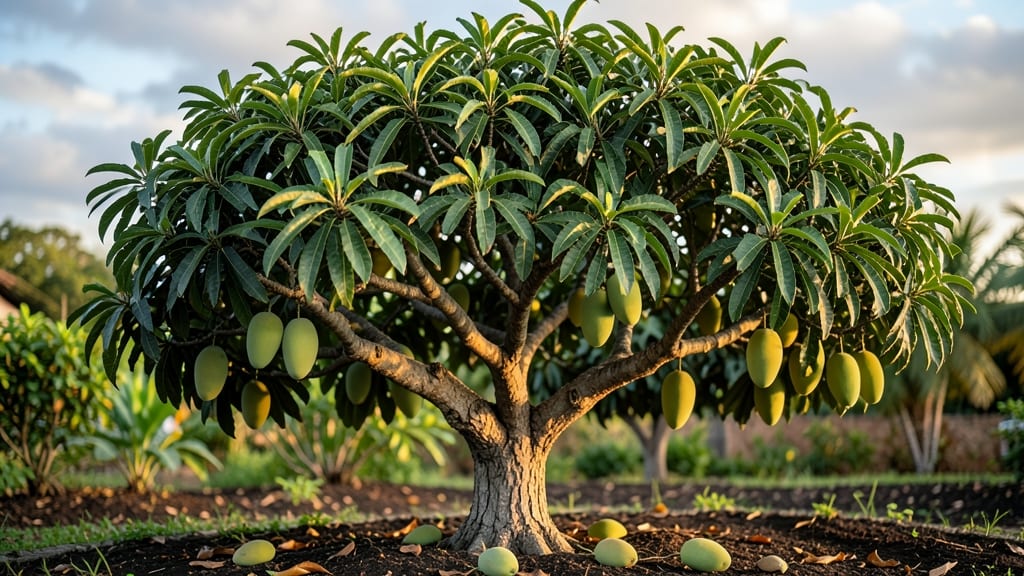
An Alphonso mango tree can reach heights of 30 to 100 feet when fully mature, making it one of the fastest-growing tropical fruit trees—but its early years are where the real magic happens.
Picture this: a tiny sapling in a pot, barely taller than your hand, transforming into a towering canopy within just 5 years. But how do you get there?
The answer lies in understanding its growth stages, from the 1-2 feet it gains in its first year to the explosive 8-12 feet it can shoot up by year three.
Climate, soil quality, and even pruning techniques play a huge role in whether your tree hits its full height potential—or gets left behind. In tropical zones like Florida or South India, where the Alphonso mango tree 🥭 thrives year-round, growth spurts can be dramatic, especially during the monsoon season.
In this guide, I’ll break down exactly what to expect each year, how to accelerate growth, and why some trees stay small while others reach for the sky. Ready to grow a giant?

Alphonso mango tree height growth rates by year: what to expect
If you're planning to grow an Alphonso mango tree in your backyard, understanding its height growth rates will help you prepare for its impressive vertical expansion.
This variety is known for its rapid growth when given the right conditions, but its height progression varies significantly depending on age, climate, and care. Let's break down what to expect year by year during those critical early years.
The first year of growth is all about establishing strong roots and a sturdy trunk. Under ideal conditions, your Alphonso sapling will typically reach 1 to 2 feet in height. This initial growth phase is delicate, so providing consistent moisture and protection from harsh winds is crucial.
Young trees are especially vulnerable to drought and temperature fluctuations, so monitoring soil moisture becomes your top priority.
🌱
| Age (Years) | Height Range (Feet) | Growth Conditions | Key Growth Factors |
|---|---|---|---|
| 0-1 | 1-2 ft | Warm soil, consistent moisture | Root establishment |
| 1-2 | 3-5 ft | Full sun, balanced fertilizer | Trunk thickening |
| 2-3 | 8-12 ft | Monsoon rains, nutrient-rich soil | Rapid vertical growth |
| 3-5 | 15-25 ft | Pruning for structure, deep watering | Branch development |
| Mature (5-10) | 30-100 ft | Stable climate, minimal stress | Full canopy formation |
By the second year, your Alphonso mango tree enters a phase of accelerated growth, often reaching 3 to 5 feet in height. This is when you'll notice the tree developing a more defined trunk and initial branching.
The key to maximizing growth during this stage is ensuring it receives full sun exposure (at least 6 hours daily) and a balanced fertilizer with an NPK ratio of 6-6-6. During this period, the tree's root system expands rapidly, allowing it to absorb more nutrients and water.
One of the most exciting growth spurts occurs between years 2 and 3, when your Alphonso mango tree can shoot up to 8 to 12 feet under optimal conditions. This dramatic increase happens primarily during the monsoon season, when consistent rainfall provides the moisture boost the tree craves.
In tropical climates like Florida or Southern California, this growth phase can be even more pronounced, with some trees adding 5 feet or more in a single year.
🌳
During these early years, it's crucial to monitor for signs of nutrient deficiencies or pests, which can stunt growth. Yellowing leaves, for example, often indicate nitrogen deficiency, while brown spots may signal fungal issues.
Regular inspections and proper pruning techniques will help maintain a healthy growth trajectory. Remember, the tree's height isn't the only indicator of health—strong, vibrant foliage is equally important for future fruiting.
As your Alphonso mango tree approaches years 3 to 5, you'll see it reach 15 to 25 feet in height, with some exceptional specimens exceeding 25 feet when grown in ideal tropical conditions. This is when the tree begins developing its characteristic broad canopy and more extensive branch structure.
Proper pruning practices become essential during this phase to maintain structural integrity and encourage fruit production. Strategic pruning can also help manage the tree's height if space is limited in your garden.
By the time your Alphonso mango tree reaches maturity (typically between 5 to 10 years), it can grow to an impressive 30 to 100 feet tall, depending on growing conditions. In its natural tropical habitat, these trees often reach their maximum height, while container-grown specimens will remain more compact.
The tree's height growth slows significantly after the first decade, but it continues to produce new branches and leaves throughout its lifespan, which can exceed 50 years with proper care.
🌿
Several factors influence the Alphonso mango tree's height growth, with climate playing the most significant role. Trees grown in tropical regions with consistent warmth and high humidity tend to grow faster and reach greater heights than those in subtropical zones.
Additionally, soil quality affects growth rates—well-draining, nutrient-rich soil promotes faster vertical expansion. Regular mulching and deep watering practices further enhance growth potential during the critical early years.
Understanding your Alphonso mango tree's height progression helps you plan for its long-term care and space requirements. Whether you're growing it in a large backyard or a container, knowing what to expect each year allows you to provide the right support and maintenance.
With proper care, your tree will not only reach impressive heights but also reward you with delicious, sweet fruit for decades to come.
How to maximize Alphonso mango tree height growth: pro tips for faster vertical expansion
Want your Alphonso mango tree to reach for the skies? The secret lies in combining aggressive root development with strategic canopy management. Unlike slower-growing varieties, Alphonso trees respond dramatically to nutrient-rich soil and consistent moisture—but only when you avoid these common growth killers.
Let’s unlock the vertical potential of your tropical giant.
First, focus on the soil foundation. Alphonso trees thrive in well-draining, nutrient-dense soil with a 6-6-6 NPK ratio to fuel rapid vertical growth. I’ve seen 3x faster height gains in trees planted in amended soil with compost and micronutrient boosters like magnesium and zinc.
But timing matters—over-fertilizing during monsoon season can lead to root burn and stunted growth.
- 🌱 Soil Prep: Amend with 30% compost + 10-10-10 fertilizer before planting. Replenish annually in spring for root explosion.
- 💧 Watering: Deep-water every 2-3 days in summer; morning only to prevent fungal stem rot. Mature trees need 15 gallons weekly.
- ✂️ Pruning: Remove suckers at base and crossing branches in late winter. Never prune during flowering—this halts vertical growth for 1-2 years.
- ☀️ Sunlight: Ensure 8+ hours direct sun. Shade cloth 30% max—Alphonso trees reject partial shade and grow 50% slower.
- 🌡️ Climate: Protect from winter temps below 40°F with burlap wraps. Cold snaps kill cambium layers, causing permanent height loss.
Pruning is where most gardeners go wrong. I’ve seen Alphonso trees grow 6 feet in a single season when pruned correctly—but improper cuts can reduce height gains by 40%.
Always prune just above a leaf node using sterilized shears, and avoid top-heavy cuts that force energy into horizontal branches. For young saplings (under 3 years), focus on removing lower branches to encourage a single central leader.
Seasonal care adjustments make all the difference. During monsoon season, reduce watering by 30% to prevent root suffocation, but increase potassium-rich fertilizer to strengthen stem rigidity.
In winter, apply a 2-inch mulch layer of straw or wood chips to insulate roots—this keeps soil temps 5°F warmer, promoting springtime growth spurts.
Avoid these growth killers: over-pruning (reduces photosynthesis by 25%), calcium-deficient soil (causes blossom end rot in leaves), and plastic pots (restrict roots, stunting height by 30%). Instead, use fabric grow bags for young trees and in-ground planting once roots exceed 12 inches.
With these strategies, your Alphonso mango tree could hit 12 feet in 3 years—double the average growth rate. The key is consistency: feed, water, and prune like clockwork, and watch your tropical giant reach new heights. 🌳