Plants
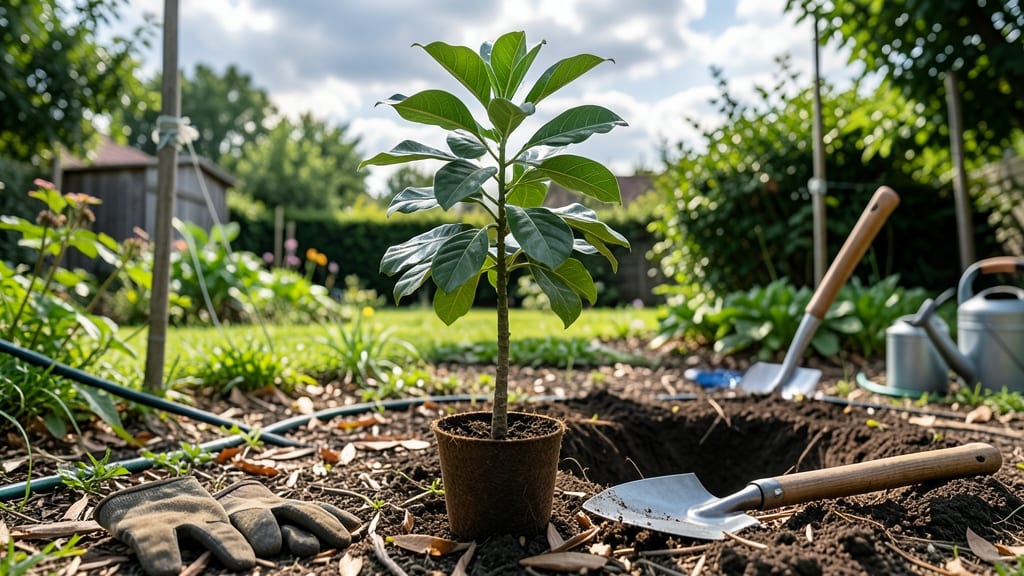
Planting an avocado tree in Florida at the right time can mean the difference between a thriving fruit producer and a struggling sapling 🥑.
If you’ve ever watched your avocado tree wilt after a late cold snap or fail to take root in soggy winter soil, you know timing is everything. Florida’s subtropical climate gives you a longer window than most states—but even here, frost risks and soil temperatures matter.
For faster growth and a bountiful harvest, the best months depend on your variety and region. In North Florida, aim for late spring after the last frost, while South Florida gardeners can plant year-round with minimal risk.
Below, I break down the ideal planting windows for Hass, Reed, and other Florida-friendly varieties, plus soil prep tips and container-grown strategies for cooler microclimates.
Best planting months for avocado trees in Florida by variety
Florida’s tropical and subtropical climates create ideal conditions for growing avocado trees, but the best planting months vary dramatically between North and South Florida.
In South Florida (Zones 10-11), where frost is rare, you can plant avocados year-round—but spring and fall offer the best balance of warm soil and moderate humidity. Meanwhile, North Florida (Zones 8-9) demands more precision to avoid late-winter cold snaps that can stunt young trees.
Choosing the right avocado variety also impacts timing. Some varieties, like the Hass avocado, thrive in Florida’s heat but need protection from unexpected cold. Others, such as Reed or Choquette, tolerate cooler temperatures better.
Below, I’ll break down the optimal planting windows for Florida’s most popular varieties, including micro-climate adjustments for coastal vs. inland regions.
For North Florida gardeners, the critical window is March–April, after the average last frost date (typically mid-February in inland areas like Gainesville or Tallahassee).
Planting too early risks exposing young roots to unpredictable cold snaps, while waiting too long delays root establishment before summer’s heat sets in. In coastal North Florida (e.g., Pensacola), you can extend planting to late February due to the moderating ocean breezes.
In South Florida (Miami, Fort Lauderdale, Naples), avocado trees can be planted year-round, but spring (January–April) and fall (September–October) are still preferred. These seasons align with Florida’s dry periods, reducing the risk of waterlogged soil and fungal diseases.
Summer planting is possible but requires extra shade during the first 6–8 weeks to help the tree acclimate to intense humidity and afternoon sun.
If you’re growing avocados in containers (a great option for North Florida’s shorter growing season2–4 weeks earlier than in-ground trees. Containers warm up faster in spring, giving roots a head start.
Just ensure your pot has drainage holes and use a lightweight, well-draining potting mix to mimic Florida’s sandy loam.
One often-overlooked factor is rainfall timing. Florida’s wet season (June–September) can drown young avocado roots if planted too late. Aim to plant 4–6 weeks before the onset of heavy rains in your region.
For example, in South Florida, this means avoiding May–June plantings unless you’re prepared to adjust watering schedules.
Pro tip: Use a soil thermometer to confirm soil temperatures meet the variety-specific thresholds before planting. Avocado roots struggle to establish below 60°F, even in Florida. In North Florida, this might mean waiting until late April in some inland areas.
In South Florida, soil temps rarely drop below ideal ranges, making timing more flexible.
Finally, consider micro-climates within Florida. Coastal areas (e.g., Key West, Fort Myers) have warmer winters and can support year-round planting, while inland regions (e.g., Orlando, Ocala) may experience brief cold snaps even in winter. If you’re in a transition zone, opt for cold-hardy varieties like Re
Critical factors that determine your planting timeline (beyond months)
While Florida’s frost-free reputation makes avocado planting seem simple, soil temperature is the #1 factor I check before digging. Avocado roots need soil to stay above 60°F (15°C) for at least 4 weeks to establish properly.
In North Florida, this often means waiting until mid-April, while South Florida gardeners can plant as early as February—but only if nighttime temps stay above 55°F (13°C).
Humidity also plays a sneaky role. Florida’s 90%+ humidity in summer can suffocate young roots if drainage is poor. I’ve seen avocado seedlings rot within weeks when planted in heavy clay soil during the rainy season (June-August).
The solution? Test your soil’s drainage rate—it should empty within 2 hours of watering.
Even in Florida, microclimates matter. Coastal areas like Miami or Fort Myers rarely dip below 50°F (10°C), but inland zones like Orlando or Gainesville can experience light frosts in January. I always verify USDA Zone 9b-10 specifics for my planting zone using the Florida Climate Center maps.
⚠️ Florida-Specific Frost Risk Warning
Did you know North Florida (Zone 8b) can hit 28°F (-2°C)? Even subtropical varieties like Reed or Choquette will suffer permanent damage. Container planting is your safest bet for Zone 8—move pots indoors or to a covered patio when temps drop below 50°F (10°C). For in-ground trees, mulch heavily (4-6 inches) with pine straw to insulate roots.
Soil pH between 6.0-7.0 is non-negotiable for avocados. I test mine with a digital pH meter ($15 at garden centers) because Florida’s native soil often skews acidic (pH 5.0-5.5).
Amend with pelletized lime if needed—apply it 2 months before planting to avoid root burn. Drainage tests are equally critical: Dig a 12-inch hole, fill with water, and time how long it takes to drain.
If it’s slower than 2 hours, mix in 20% compost or use raised beds.
For container planting (ideal for urban Florida), choose pots at least 18 inches deep with drainage holes. I use fabric grow bags for better airflow—critical in Florida’s humidity. Subtropical varieties like Fuerte tolerate containers better than tropical types (e.g., Hass), which need year-round warmth.
Move containers to sheltered spots if nighttime temps drop below 60°F (15°C).
Pro tip: Plant on a cloudy day to reduce transplant shock. I’ve seen avocado seedlings wilt within hours when planted under direct Florida sun during peak afternoon heat. Water deeply before planting, then mulch with 3 inches of wood chips to retain moisture.
Monitor soil moisture—avocados hate soggy roots but need consistent hydration during Florida’s dry season (November-April).