
Pruning
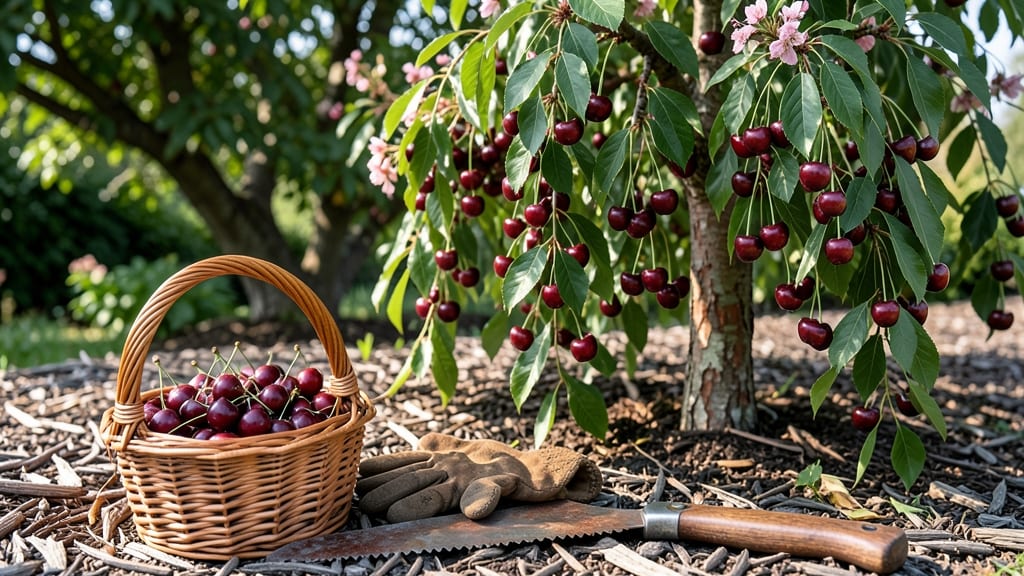
Weeping cherry tree fruit is edible when fully ripe, offering a sweet-tart flavor similar to sour cherries, but only consume the flesh—avoid pits, stems, and leaves due to cyanogenic glycosides. Harvest when deep red and soft for best results, and remove stems before eating.
When you're ready to enjoy these fruits, timing matters—wait until they're deep red and slightly soft to the touch, which usually happens in late summer.
The flesh has a delicate balance of sweetness and tartness that works beautifully in desserts or fresh snacks, but always discard the pits, stems, and leaves immediately after harvesting. 🌸 I've found that removing stems before eating prevents any lingering bitterness from transferring to your food, and cooking the fruit (like in pies or jams) actually enhances their natural flavors while reducing any potential risks from trace compounds.
For those curious about preparation, these cherries shine in both sweet and savory dishes. Try them fresh in salads with goat cheese or bake them into a simple syrup for cocktails. Just remember: never eat the seeds—they contain amygdalin, which converts to cyanide when chewed.
The good news? With proper handling, the edible parts make a fantastic, unique addition to your kitchen repertoire.
💡 In This Article
- Identifying Safe and Toxic Parts of Weeping Cherry Trees
- Harvesting and Cooking Weeping Cherry Tree Fruit
Identifying safe and toxic parts of weeping cherry trees
The weeping cherry tree (Prunus subhirtella) produces fruit with a complex safety profile that requires careful attention. While the ripe flesh is perfectly edible, the tree contains multiple toxic components that can cause serious health issues.
The most dangerous part is the pit (seed), which contains amygdalin—a compound that converts to hydrogen cyanide when chewed or crushed. Even a single crushed pit can release enough cyanide to cause poisoning, with symptoms including dizziness, nausea, and in severe cases, respiratory failure.
Beyond the pits, the stems and leaves also pose risks due to their cyanogenic glycoside content.
These compounds are present in varying concentrations throughout the plant, but the highest levels are found in the seeds. 🌿 The bark and unripe fruit contain lower levels of these toxins, but they're still not safe to consume.
Visually, ripe fruit turns a deep red color (similar to sour cherries) and feels slightly soft when gently squeezed—this is your cue that the flesh is safe to eat, provided you remove all stems and pits immediately.
What makes this particularly tricky is that the fruit's edible flesh has a sweet-tart flavor profile that many find appealing, while the toxic components are hidden within the plant.
For comparison, a single weeping cherry pit contains enough amygdalin to potentially produce 0.5-1 milligram of cyanide when crushed—a dose that could be dangerous for small children or pets. The flesh itself contains negligible amounts of these compounds, which is why it's safe when properly prepared and consumed.
Botanically, this tree belongs to the Rosaceae family, which includes other edible fruits like apples and peaches, but with critical differences. Unlike these common fruits, weeping cherries don't develop a protective layer that makes their pits safe to eat.
The tree's ornamental nature also means it's often planted in residential areas, increasing the risk of accidental ingestion. Always verify the tree's identity before harvesting—some ornamental cherries (like those in the Prunus serrulata group) are entirely toxic.
Here's a quick visual guide to help you identify safe parts:
- Safe: Deep red, soft flesh when ripe (remove stems immediately)
- Dangerous: Pits (seeds), stems, and leaves (all contain cyanogenic compounds)
- Caution: Unripe fruit (may contain higher concentrations of toxins)
- Entirely toxic: Bark and roots (highest concentration of amygdalin)
The key to safe consumption lies in this careful differentiation—what's delicious in one part of the plant can be deadly in another. When you're harvesting, work with gloves and a bowl to collect only the ripe fruit, then process it immediately to remove all non-edible components.
This attention to detail transforms what could be a hazardous plant into a delicious, unique culinary ingredient. 💫