
Pruning
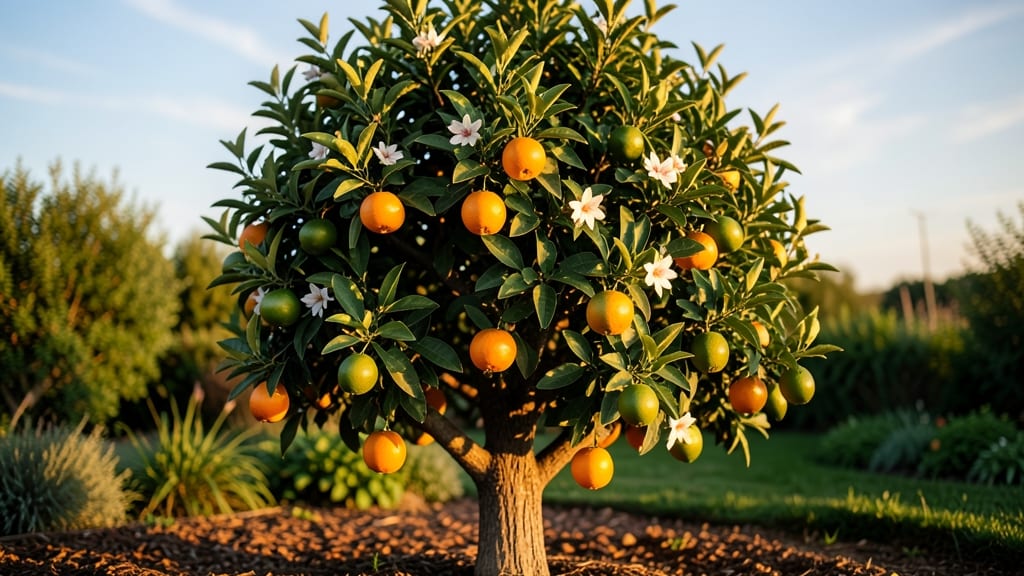
That tree with little orange berries isn’t just pretty—it’s a dead giveaway you’ve got a holly tree on your hands. 🌿 The glossy leaves, spiky edges, and clusters of berries that last through winter make this tree a standout in any yard, plus they feed birds all season long.
Holly thrives in partial shade to full sun and handles most soil types, though it prefers well-draining soil. Plant in early spring or fall, spacing trees 15-25 feet apart for mature growth. The berries stay vibrant until birds snack on them, so expect some natural pruning come winter.
With proper care, your holly will grow 15-30 feet tall, creating a dense, evergreen backdrop for your garden. The dark green leaves provide year-round structure, while the berries add a pop of color that stands out against snow.
Prune in late winter to shape the tree and remove dead branches. Holly responds well to pruning, so don't hesitate to trim back overgrown areas. This tree is low-maintenance but high-reward, perfect for both ornamental value and wildlife support.
Natural Reasons Behind Orange Berries
Those vibrant little orange berries on your tree aren’t just a splash of color—they’re a fascinating result of nature’s reproductive cycle. But why do they appear, and what triggers their development? Let’s break down the science behind these striking fruits.
Holly trees (Ilex spp.) are dioecious, meaning male and female flowers grow on separate trees. For those bright orange berries to form, a female tree must first be successfully pollinated by a male tree.
- Wind and insects (like bees and flies) are the primary pollinators. If your tree is isolated, pollination may fail, leading to no berries—or fewer than expected.
- Timing matters: Holly flowers bloom in late spring (April–June). If temperatures drop during this period, pollinators may be less active, reducing fertilization rates.
- Pro tip: 🌡️ If you’re growing holly trees for berries, plant at least one male tree nearby (e.g., Ilex opaca ‘Schilling’ or Ilex verticillata ‘Red Sprite’). Some nurseries even sell pre-pollinated cultivars.
Not every flower becomes a berry—only fertilized ones develop into fruit. Here’s what happens after pollination:
| Stage | What’s Happening | Key Factors |
|---|---|---|
| Fertilization | Pollinated flowers form tiny green berries (drupes) by midsummer. | Requires sufficient sunlight (6+ hours/day) and consistent watering. |
| Growth Phase | Berries swell and turn red, then orange as they ripen (fall/winter). | Nutrient availability (especially phosphorus and potassium) speeds up maturation. |
| Ripening | Full color and sweetness develop—ideal for birds and wildlife. | Cooler temps (50–60°F) enhance flavor and vibrancy. |
Watch out! If berries stay green or shrivel, your tree may lack nutrients or sunlight. 💡 Try a balanced fertilizer in early spring to boost fruit development.
Stress or poor growing conditions can stunt berry formation. Here’s how climate and care affect the process:
- Drought or overwatering: Holly trees prefer moist but well-drained soil. Too little water = small, underdeveloped berries. Too much = root rot, which weakens the tree’s ability to produce fruit.
- Extreme heat or cold:
- 🔥 Heatwaves (>90°F) can cause flowers to drop before pollination.
- ❄️ Late frosts (below 28°F) may kill flowers or young berries.
- Soil pH: Holly trees thrive in slightly acidic soil (pH 5.0–6.5). Test your soil—if it’s alkaline (pH >7), amend with sulfur or peat moss to encourage berry production.
Actionable fix: Mulch around the base of the tree with 2–3 inches of organic matter (like pine bark or compost) to regulate soil moisture and temperature. ✨
Understanding these natural triggers helps you create the perfect conditions for your holly tree to burst with those iconic orange berries—year after year!
Fixing and Preventing Berry Issues
If your holly tree isn’t producing those classic little orange berries—or if they’re disappearing too soon—don’t worry! With the right care, you can encourage healthy fruit growth and keep your tree thriving.
Below, we’ve mapped out practical solutions based on common causes, from pruning mistakes to pest problems, plus prevention tips to keep your holly berries abundant for years.
Holly trees need both male and female plants to produce berries. If your female tree isn’t fruiting, it might be missing a male pollinator nearby.
How to Fix It:
- 🔍 Identify the issue: Check if your tree is female (with berries) or male (no berries, but flowers in spring). Many nurseries sell "berry-producing" hollies, but they often require a male counterpart.
- 🌿 Add a male pollinator: Plant a male holly tree within 30–50 feet of your female tree. Popular choices include Ilex × ‘Nellie R. Stevens’ (male) or Ilex × ‘Blue Princess’ (male).
- 🐝 Boost pollinator activity: If bees or butterflies aren’t visiting, hand-pollinate by gently brushing flowers with a soft brush or cotton swab in early spring.
Prevention Tip: ✨ Buy a pre-pollinated variety like Ilex × ‘Dwarf Burford’ or Ilex × ‘Sky Pencil’ (female) and ensure the nursery includes a male plant in the purchase.
Aggressive pruning—especially in late winter or early spring—can remove flower buds before they open, reducing berry production.
How to Fix It:
- 📅 Prune at the right time: Wait until late spring or early summer (after berries form) to trim. Avoid heavy cuts in fall or winter.
- 🌿 Focus on shape, not size: Remove only dead, diseased, or crossing branches. Never cut more than 25% of the canopy in one season.
- 🔪 Use sharp tools: Dull shears crush branches, stressing the tree. Sterilize pruners with rubbing alcohol to prevent disease spread.
Prevention Tip: 💡 Mark your calendar! Schedule pruning for June or July to avoid interfering with next year’s berries.
Spider mites, scale insects, or fungal diseases (like leaf spot) can sap energy from your holly, reducing berry yield.
How to Fix It:
- 🕵️ Identify the pest/disease:
- Spider mites: Tiny webs on undersides of leaves.
- Scale insects: Bumpy, immobile bumps on stems.
- Fungal issues: Yellow spots or black mold on leaves.
- 🧼 Treat naturally first:
- For pests: Spray with neem oil (mix 1 tbsp per quart of water) or introduce ladybugs (natural predators).
- For fungi: Apply copper fungicide or baking soda spray (1 tbsp baking soda + 1 quart water + a drop of soap).
- 🚫 Severe cases? Use insecticidal soap (like Safer® Brand) or consult a local arborist.
Prevention Tip: 🌡️ Water deeply but infrequently to discourage fungal growth. Mulch around the base to retain moisture without soggy soil.
Too little (or too much!) fertilizer can stunt berry production. Holly trees prefer acidic, well-draining soil rich in organic matter.
How to Fix It:
- 📊 Test your soil: Use a DIY soil test kit (available at garden centers) to check pH (ideal: 5.0–6.0) and nutrient levels.
- 🍄 Amend the soil:
- Low acidity? Mix in peat moss or pine needles.
- Poor nutrients? Apply a slow-release, acidic fertilizer (like 8-3-9 or 10-6-4) in early spring.
- 🚫 Avoid overdoing it: More fertilizer ≠ more berries. Follow package instructions to prevent burnt roots.
Prevention Tip: ✨ Mulch annually with pine bark or compost to naturally acidify soil and retain moisture.
Holly trees are drought-tolerant but perform best with consistent moisture, especially during berry development (late summer to fall).
How to Fix It:
- 💦 Water deeply: Soak the root zone 1–2 times per week during dry spells (1 inch of water per week).
- 🌿 Mulch heavily: Spread 3–4 inches of mulch (wood chips or straw) around the base (keep it 6 inches away from the trunk).
- 🌳 Provide shade: If your tree is in a hot, sunny spot, consider partial shade (especially for young trees).
Prevention Tip: 🎯 Group hollies with other plants to create a microclimate that retains moisture and reduces stress.
Final Pro Tip: 🔥 Patience is key! Holly berries take 9–12 months to mature. If you’ve addressed the issues above, you may not see results until next winter—but a well-cared-for tree will reward you with vibrant, abundant berries for years.
Frequently asked questions
Are those little orange berries edible?
Holly berries are not safe to eat—they're toxic if ingested by humans or pets. The berries contain saponins and caffeine-like compounds that can cause stomach upset, vomiting, or even seizures. However, they're a vital food source for birds like robins, cardinals, and waxwings during winter.
Why do some holly trees have berries and others don't?
Holly trees are dioecious, meaning male and female flowers grow on separate trees. Only female trees produce berries, and they need pollination from a male tree. Plant a male holly within 30-50 feet to ensure berry production. Some nurseries sell pre-pollinated varieties to simplify this process.
How do I tell if my holly tree is male or female?
Check for flowers in spring: male trees have yellow-green clusters without berries, while female trees develop tiny green berries after pollination. If your tree has berries now, it's female. If not, it might be male or lack a pollinator nearby.
Can I grow holly trees in containers?
Yes! Dwarf varieties like Ilex 'Blue Princess' thrive in 15-20 gallon containers with well-draining soil. Use a mix of potting soil and peat moss, and ensure the container has drainage holes. Repot every 2-3 years and prune roots if they circle the pot.
How do I keep birds from eating all my berries?
Birds love holly berries, but you can reduce consumption by placing netting over the tree in late summer or using bird spikes on branches. For wildlife-friendly gardens, leave some berries—birds help control pests and spread seeds! If berries disappear too fast, hand-pollinate next spring for a better harvest.