
Pruning
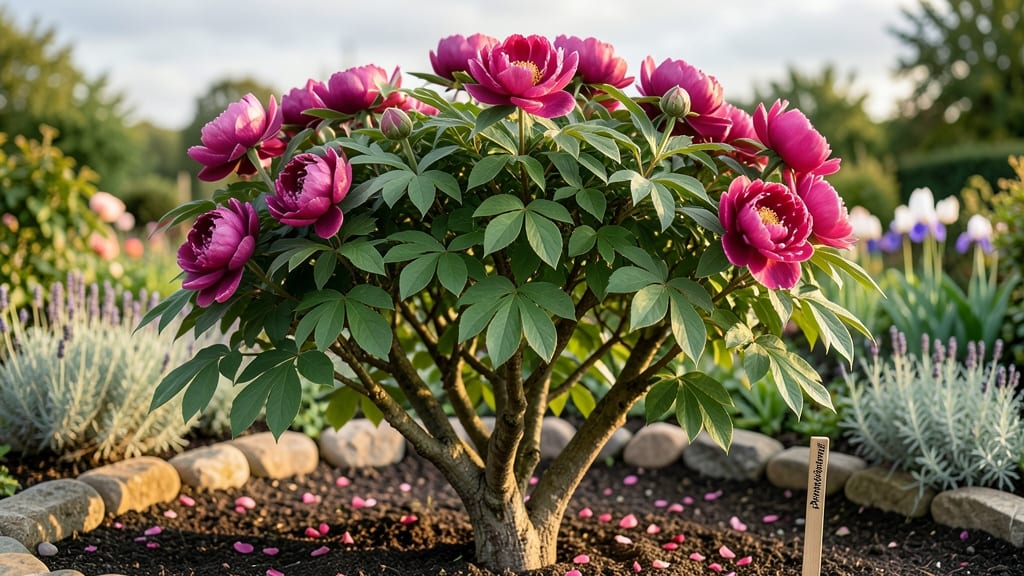
Tree peonies naturally reach heights of 3 to 5 feet 🌸, making them standout shrubs for borders, hedges, or specimen planting—but not all varieties grow the same.
If you dream of dramatic, long-lasting blooms that tower over your garden beds, tree peonies could be the perfect fit—but their height varies wildly between varieties. Understanding how different types grow (from compact 3-foot shrubs to majestic 5-foot giants) will help you choose the perfect specimen for your landscape.
Some dwarf varieties stay under 3 feet, ideal for small gardens or containers, while standard types can easily stretch to 5 feet or more with proper care. The right variety can transform your space into a fragrant, colorful focal point.
In this guide, I’ll break down how to pick the perfect size for your garden, what affects their growth, and how to prune for the best results—whether you want a tidy hedge or a towering statement plant.

How tree peony height varies by variety (with exact growth charts)
Tree peonies (Paeonia suffruticosa) are prized for their lush, long-lasting blooms and woody shrub structure, but their mature height can differ dramatically depending on the variety.
Some stay under 3 feet—ideal for containers or small gardens—while others reach 5 feet or taller, making them stunning focal points. Choosing the right variety for your space ensures your peonies thrive without overwhelming your landscape.
Understanding these height variations helps you plan spacing, pruning, and companion plantings. For example, dwarf varieties like 'Tiny Ruby' work beautifully in rock gardens, while tall varieties like 'Sarah Bernhardt' command attention as specimen plants.
Let’s explore the exact height ranges and growth patterns of popular tree peony varieties to help you make an informed choice.
🌱 Pro Tip: Tree peonies grow 2–4 inches per year until they reach maturity, typically between 3–5 years. Their final height is largely determined by genetics, but soil quality and sunlight exposure can influence growth rates.
As you can see, 'Maxima' is one of the tallest varieties, reaching 5–6 feet and perfect for creating a dramatic backdrop in larger gardens. In contrast, 'Tiny Ruby' stays compact at 2–3 feet, making it ideal for urban gardens or patio containers.
If you’re working with limited space, prioritize dwarf varieties like 'Tiny Ruby' or 'Karl Rosenfield', which mature quickly and require minimal pruning.
For gardeners aiming for balanced height control, varieties like 'Duchesse de Nemours' (3–4 ft) offer a versatile middle ground. These medium-height peonies work well in mixed borders or as low hedges when planted in groups. Their slower growth rate also means less aggressive pruning over time.
🌿 Height Tip: If you’re unsure about a variety’s mature size, check the growth rate in inches per year. Faster-growing varieties like 'Sarah Bernhardt' may need annual pruning to maintain your desired height, while slower growers like 'Tiny Ruby' require minimal intervention.
When selecting tree peonies, consider not just height but also bloom size and fragrance. For instance, 'Sarah Bernhardt' produces large, fragrant blooms but needs space to spread, while 'Maxima' offers showy white flowers that pair beautifully with dark foliage.
Pairing varieties by height creates visual interest—taller peonies as backdrops and shorter ones as foreground accents.
Finally, remember that soil quality and sunlight can influence how close your peony stays to its expected height. Well-draining soil and 6+ hours of full sun encourage healthier, more robust growth. If your garden has partial shade, opt for dwarf varieties that tolerate lower light conditions better.
🌸 Whether you’re designing a romantic cottage garden or a <
Factors that influence tree peony height (and how to optimize growth)
Tree peonies (Paeonia suffruticosa) are stunning shrubs that can dramatically transform your garden—but their mature height depends on several key factors. Whether you're aiming for a compact 3-foot specimen or a towering 5-foot statement plant, understanding these variables will help you optimize growth for your space.
From sunlight exposure to pruning techniques, each element plays a crucial role in determining how tall your tree peony will become.
The genetic makeup of your tree peony variety is the foundation for its height potential. Some cultivars, like 'Duchesse de Nemours', naturally stay under 4 feet, while others, such as 'Sarah Bernhardt', can reach 5 feet or more.
However, even within the same variety, environmental factors can push a plant to grow taller—or keep it shorter than expected. Let’s explore the most influential factors and how to work with them.
- 🌞 Sunlight Exposure: 6+ hours of full sun maximizes height growth, while partial shade can stunt growth by 1-2 feet.
- 💧 Soil Drainage: Well-draining, slightly alkaline soil (pH 6.5–7.5) encourages robust root development, supporting taller growth.
- ✂️ Pruning Techniques: Minimal pruning promotes height, while aggressive pruning keeps plants shorter but reduces bloom size.
- 🌡️ Climate Zones: Warmer zones (USDA 6–9) allow faster growth, while colder zones may slow height progression by 1 foot per year.
- 🌱 Planting Depth: Planting crowns 2–3 inches below soil encourages stronger root systems, leading to taller growth.
One of the most critical factors is sunlight exposure. Tree peonies thrive in full sun (6+ hours daily), which fuels rapid vertical growth. If your garden only offers partial shade, expect your plant to grow 1–2 feet shorter than its potential.
For example, a 'Karl Rosenfield' variety might only reach 3 feet instead of 4 feet. To compensate, position your tree peony in the sunniest spot possible, even if it means relocating it after a year or two to observe its growth pattern.
Soil drainage is another game-changer. Tree peonies despise soggy roots, which can lead to stunted growth or disease. Amend heavy clay soil with organic matter like compost or perlite to improve drainage.
A well-draining, slightly alkaline soil (pH 6.5–7.5) ensures strong root development, allowing your tree peony to reach its full height potential. If your soil is too acidic, add crushed limestone to adjust the pH gradually over a few months.
Pruning plays a dual role in height control. If you want your tree peony to grow as tall as possible, avoid heavy pruning. Instead, remove only dead or crossing branches in late winter or early spring.
However, if you’re working with limited space, you can prune back by 1/3 after flowering to encourage bushier, shorter growth. Just be cautious—over-pruning can reduce bloom size and weaken the plant’s vigor, indirectly affecting its height in subsequent years.
Finally, your climate zone impacts growth speed. In warmer zones (USDA 6–9), tree peonies grow faster and can reach mature height in 3–5 years. In cooler zones (USDA 4–5), growth may slow to 1 foot per year, delaying their full height potential.
To accelerate growth in colder climates, use a thick mulch layer (3–4 inches) to insulate roots and extend the growing season.
By adjusting these factors—sunlight, soil, pruning, and climate—you can steer your tree peony’s height toward your garden’s needs. Whether you’re aiming for a compact hedge or a dramatic focal point, understanding these influences gives you full control over your plant’s growth trajectory.
Start with the right variety, optimize its environment, and watch it thrive at the perfect height for your space! 🌿