
Pruning
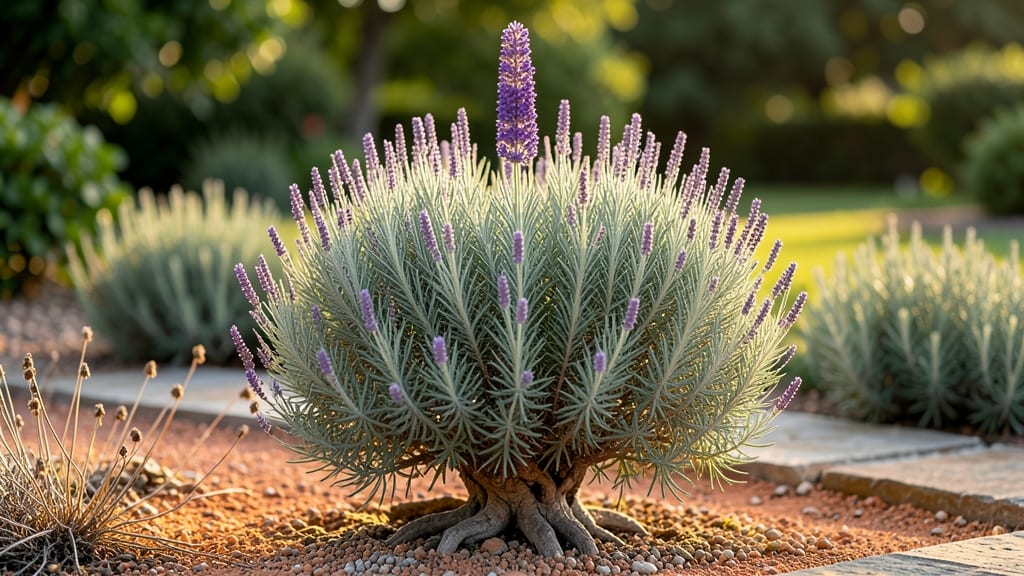
Turn your lavender from a sprawling mess into a stunning, fragrant tree with just a few strategic cuts. ✂️ I’ve pruned dozens of lavender bushes, and the key to that perfect tree form isn’t complicated—it’s about timing, technique, and a little patience.
Most gardeners over-prune or prune at the wrong time, but this method keeps your lavender bushy, compact, and thriving for years.
The secret starts with sunlight and soil—lavender demands at least 6-8 hours of full sun and well-draining soil. If yours is in a shady spot or heavy clay, it’ll struggle no matter how well you prune.
Once established, it’s drought-tolerant, but young plants need consistent (but not soggy) watering. I’ve seen lavender go from leggy to lush in just one growing season with the right care.
By late spring, you’ll see new growth where you pruned, and those tiny buds will burst into vibrant purple blooms by summer. The fragrance alone makes it worth the effort—just brush your hands over the leaves and inhale.
Plus, this form works beautifully in containers, borders, or as a focal point in your garden.
Whether you’re a beginner or a seasoned pruner, this method is foolproof—no green thumb required. Just grab your shears, follow the steps, and enjoy a lavender tree that looks designer-planted without the high price tag. Let’s get started!
📚 In This Guide
- What you need
- Instructions
- Tips and common mistakes
- Wrapping up and next steps
What you need
- ● Sharp pruning shears – Bypass pruners (for clean cuts) or anvil pruners (for thicker stems). Must be sterilized with rubbing alcohol before use.
- ● Hand pruners – For smaller stems (3–6mm thick). Look for ergonomic, stainless-steel blades.
- ● Gloves – Garden gloves (thick, cut-resistant) to protect from thorns and sap.
- ● Disinfectant spray – 70% isopropyl alcohol or a copper-based fungicide to prevent disease spread.
- ○ Pruning saw – Optional but helpful for thick, woody stems (if your lavender is mature).
- ● Healthy lavender plant – English, French, or Spanish lavender (tree form works best with upright varieties like Lavandula angustifolia 'Hidcote' or Lavandula x intermedia 'Grosso').
- ● Pruning timeline – Best done in early spring (March–April) or right after flowering (July–August). Avoid pruning in fall or winter!
- ● Sunlight & water access – Ensure your lavender has full sun (6+ hours/day) and well-draining soil before pruning.
- ○ Stake or support (optional) – A small bamboo stake or soft tie to secure new growth if needed.
How to prune lavender for a lush, tree-like shape
This method transforms lavender from sprawling mounds into elegant, bushy trees—here's how I've perfected it over years of pruning.
✂️ Step 1: Time Your First Pruning for Late Winter
Prune lavender right after the last frost but before new growth begins, typically in late February or early March. This timing prevents frost damage to fresh cuts while allowing the plant's natural energy to focus on full, dense growth rather than repairing winter stress. I always check the calendar and local frost dates—pruning too early can leave stems vulnerable, while waiting too long risks leggy, sparse growth.
Use sharp, clean pruners to make cuts just above a set of leaves or a bud. Avoid tearing the stems, which creates entry points for disease. If your lavender has woody stems, cut back to ½ inch above the wood to encourage new, softer growth. This is where you'll see the transformation begin—your plant will start filling out from the base rather than stretching upward.
✂️ Step 2: Shape with Gradual Cuts Over Three Sessions
Divide pruning into three sessions spaced 3-4 weeks apart to avoid shocking the plant. In the first session, remove ⅓ of the oldest stems—these are the woody, less fragrant ones that dominate the center. Cut them back to 6-8 inches tall, leaving a few younger stems untouched to maintain photosynthesis during recovery. You'll notice the plant's center opening up immediately, allowing light to reach the base where new growth will emerge.
In the second session, focus on the outer stems. Trim back any that have grown too long or are flopping outward. Aim for a rounded, slightly tapered shape, wider at the base and narrowing slightly toward the top. This mimics the natural growth habit of tree-form lavender and encourages a fuller silhouette. Avoid cutting into the woody center—this is where your plant's structure lives, and removing it weakens the plant permanently.
✂️ Step 3: Refine in Early Summer for Bushiness
In early June, after the plant has recovered from winter pruning, do a light shaping session. This is where you'll see the payoff—your lavender should now have a dense, tree-like form with multiple branches radiating from the base. Trim back any stems that have grown too long or are crossing others, cutting just above a leaf node or bud. The goal is to maintain that rounded, bushy silhouette while encouraging lateral branching.
Pinch back the tips of new growth to encourage branching. This is the secret to that lush, full look—by stopping the upward growth, you force the plant to put energy into side shoots. I like to use my fingers for this rather than pruners, gently squeezing off the top inch of growth. You'll see tiny buds forming along the stems within a few weeks, signaling that your lavender is responding exactly as it should.
✂️ Step 4: Annual Maintenance in Late Summer
In late August or early September, do a final light pruning to tidy up the shape and prepare for winter. Remove any dead, diseased, or crossing branches first. Then, trim back the outer growth by ½ inch to maintain the tree form. This final touch ensures your lavender enters dormancy in the best possible shape, ready to burst back into full, fragrant growth next spring.
Here's the thing—this isn't a one-time job. Tree-form lavender thrives with annual pruning, but the key is consistency. If you skip a year, you'll notice the shape start to revert to its natural bushy form. That's okay—just reset with a more aggressive prune the following winter. The beauty of lavender is its resilience; it forgives occasional lapses and still delivers that incredible fragrance and drought-resistant charm.
Tips & tricks for perfect tree form lavender
Transforming lavender into lush, tree-like shapes takes patience—but these insights will help you avoid the most common pitfalls and achieve that professional look.
Timing is Everything: The late winter window (right after the last frost) is critical because lavender's growth cycle is tied to temperature cues. If you're unsure about frost dates, err on the side of waiting—pruning too early can shock the plant when cold snaps return. I've seen lavender recover from late pruning but never from frost damage to fresh cuts. That said, if you miss the window, don't panic—just reset with a more aggressive prune the following winter.
Tool Selection Matters: Those ½ inch cuts above woody stems require precision, which is why I recommend bypass pruners over regular shears. They make cleaner cuts that heal faster and reduce disease risk. For the pinch-back technique in Step 3, your fingers work perfectly—just be gentle to avoid bruising the tender new growth. Pro tip: Sterilize your tools with rubbing alcohol between cuts to prevent spreading any hidden pathogens.
Visual Cues for Perfect Shaping: When aiming for that rounded, tapered silhouette, imagine an upside-down cone. The widest point should be at the base, gradually narrowing toward the top. In Step 2, use a small mirror to check the back of your plant—this is where most people miss uneven growth. Also, step back every few cuts to assess the overall shape from a distance; your eyes will catch imbalances your hands might miss.
Recovery Watch: After the first session, lavender may look sparse but trust the process—new growth emerges from the base within 3-4 weeks. If you notice yellowing leaves or wilting, it's not necessarily a problem unless it persists beyond two weeks. Lavender often sheds some foliage during recovery as it redirects energy to new shoots. The key is patience: resist the urge to prune again too soon, even if the plant looks bare.
Pro Tips for Tree Form Lavender
- Transforming lavender into lush, tree-like shapes takes patience—but these insights will help you avoid the most common pitfalls and achieve that professional look.
- Timing is Everything: The late winter window (right after the last frost) is critical because lavender's growth cycle is tied to temperature cues.
- Tool Selection Matters: Those ½ inch cuts above woody stems require precision, which is why I recommend bypass pruners over regular shears.
Frequently asked questions
Frequently Asked Questions About Tree Form Lavender
Got questions about growing and pruning tree form lavender? Here are some of the most common ones—plus quick, practical answers to keep your fragrant beauty thriving!
1. How often should I prune tree form lavender?
Prune your tree form lavender once a year—ideally in late winter or early spring (before new growth starts). Light shaping cuts can be done in summer, but avoid heavy pruning then, as it stresses the plant. Pro tip: Never prune in fall or winter, as it can encourage tender new growth that won’t survive frost.
2. Can I prune tree form lavender too much?
Over-pruning is a common mistake—never remove more than 1/3 of the plant’s foliage at once. Tree form lavender has a woody base, so aggressive cuts can kill it. Focus on shaping and thinning rather than drastic reductions. If you’ve already over-pruned, trim back only the dead or damaged wood and give it time to recover.
3. What’s the best way to encourage bushier growth?
To promote denser, bushier growth, prune just above a leaf node (where leaves meet the stem) using clean, sharp shears. Avoid cutting into old wood—new growth emerges from the current year’s stems. For extra fullness, pinch back tips in early summer to stimulate branching. Bonus: Mulch around the base to retain moisture and reduce stress.
4. Does tree form lavender need winter protection?
Most tree form lavender varieties are hardy to USDA zones 5-9, but young plants or tender varieties may need extra care. Mulch heavily around the base (but not touching the stem) to insulate roots. In extreme cold (below 10°F), wrap the plant loosely in burlap or use a frost cloth—just remove it in spring to avoid moisture buildup.
5. Why isn’t my tree form lavender flowering as much as it should?
Less blooming often stems from over-fertilizing (lavender thrives in poor soil) or pruning at the wrong time. Ensure it gets full sun (6+ hours daily) and well-draining soil. If you pruned after flowering, switch to pruning in late winter. Pro tip: Deadhead spent blooms in summer to encourage a second flush of flowers!
6. Can I grow tree form lavender in containers?
Yes! Tree form lavender thrives in containers if given fast-draining soil (mix potting soil with perlite or sand). Use a pot with drainage holes and at least 12 inches deep. Water only when the top inch of soil is dry—overwatering is the #1 killer. Move containers to a sunny spot in winter if temps drop below 20°F.
Wrapping up and next steps
Transforming your tree form lavender into a lush, fragrant beauty is all about patience, precision, and a little love! With the right pruning techniques—like shaping in early spring, removing dead growth, and encouraging bushiness—you’ll enjoy a thriving plant for years.
Remember, consistency is key, and soon your garden will be filled with that unmistakable lavender scent and stunning blooms.
Ready to take the next step? Grab your pruners, pick a sunny day, and give your lavender the care it deserves! 🌿✨