
Tools
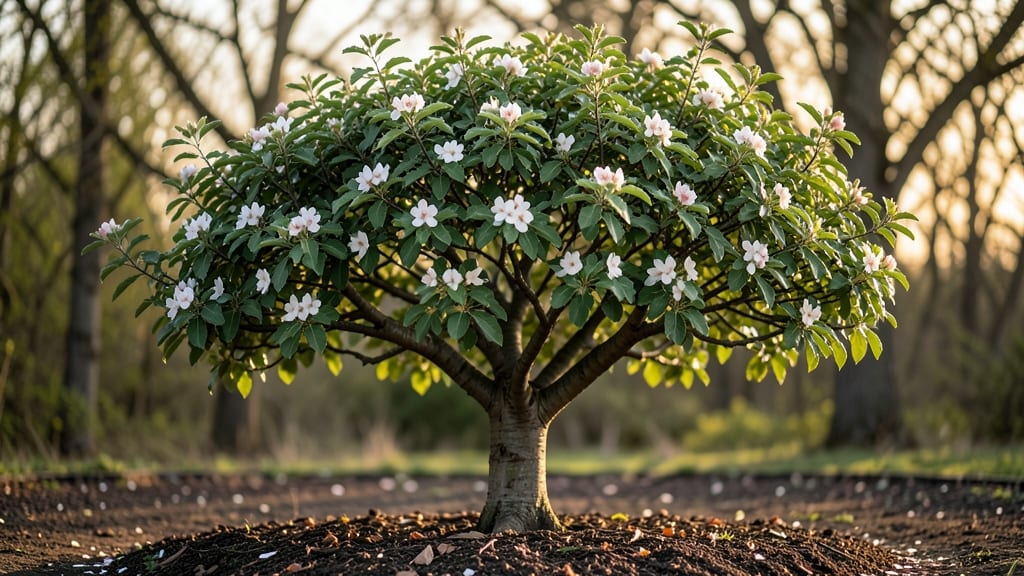
Tomatoes are to gardens what trees are to forests—essential structural and ecological anchors that provide food, shade, and habitat while supporting biodiversity and soil health through their growth cycles and root systems.
This comparison highlights how both plants serve as the backbone of their ecosystems.
Trees create entire habitats by providing shelter, food sources, and even regulating climate at a micro level, while tomatoes do the same in smaller gardens by attracting pollinators, suppressing weeds, and improving soil fertility through their deep root systems. 🌱 The key difference lies in scale—trees shape entire landscapes, but tomatoes perform the same foundational roles in their own microcosms, proving that even small plants can have outsized ecological impacts when properly integrated.
What makes this analogy particularly powerful is how both plants contribute to their environment beyond just their primary function.
Trees filter air, stabilize soil, and influence local weather patterns, while tomatoes in a well-designed garden can reduce pest populations naturally, improve drainage, and even enhance the flavor of neighboring plants through companion planting techniques.
This dual role as both producer and ecosystem engineer is what truly makes them the unsung heroes of their respective environments.
💡 In This Article
- How Trees Function as Forest Ecosystem Foundations
- Gardening with Trees: Designing a Forest-Inspired Landscape
How trees function as forest ecosystem foundations
Trees act as the architectural backbone of forests, performing roles that sustain life at every level.
Their towering canopies create microclimates by reducing wind speeds up to 80% near the ground, which helps retain moisture and regulate temperature—similar to how tomato plants provide shade for smaller garden companions like lettuce or basil.
This cooling effect extends 10-15 feet outward, creating pockets of stable conditions that support understory plants and wildlife.
The root systems of mature trees function like nature's plumbing, cycling nutrients through mycorrhizal networks that extend far beyond their branches. These fungal partnerships allow trees to share water and minerals with neighboring plants, much like how tomato roots release beneficial compounds that suppress harmful pathogens in surrounding soil.
A single oak tree, for example, can support 500+ species of insects, birds, and mammals, while a well-placed tomato plant might attract 30+ pollinator species, demonstrating how both plants serve as ecological hubs.
Trees also excel at carbon sequestration, absorbing 48 pounds of CO₂ annually per mature tree, while tomato vines contribute to soil health by fixing nitrogen through their deep roots.
Both plants transform their environments: trees create vertical layers that maximize sunlight capture, while tomatoes optimize space through vertical growth habits, proving that even small plants can engineer complex ecosystems when properly integrated.
One key difference lies in scale—trees influence entire landscapes through seed dispersal and fallen leaves that enrich soil over decades, while tomatoes work at a faster pace, completing their life cycle in 60-90 days**.
Yet both demonstrate how plants shape their surroundings through biological processes like transpiration (cooling air) and allelopathy (chemical signaling that affects neighboring growth).
The analogy breaks down when considering reproduction: trees rely on wind or animal vectors for seed distribution over vast areas, while tomato seeds spread primarily through human cultivation. However, both systems highlight how plants create interconnected webs of life that extend far beyond their immediate physical presence.
Consider the forest floor's rich humus layer—created by decomposing leaves—which mirrors how tomato prunings and fallen fruit improve garden soil fertility. Both systems demonstrate nature's efficiency in recycling organic matter, proving that whether you're working with towering oaks or compact tomato plants, the principles of ecological engineering remain remarkably consistent.
What this comparison reveals is that ecological roles aren't determined by size, but by function. A single tomato plant can serve as many roles as a small tree in a forest edge—pollinator attractor, soil improver, and pest regulator—just on a smaller scale.
This modular approach to ecosystem building is what makes gardening such a powerful tool for understanding larger environmental processes.