
Pruning
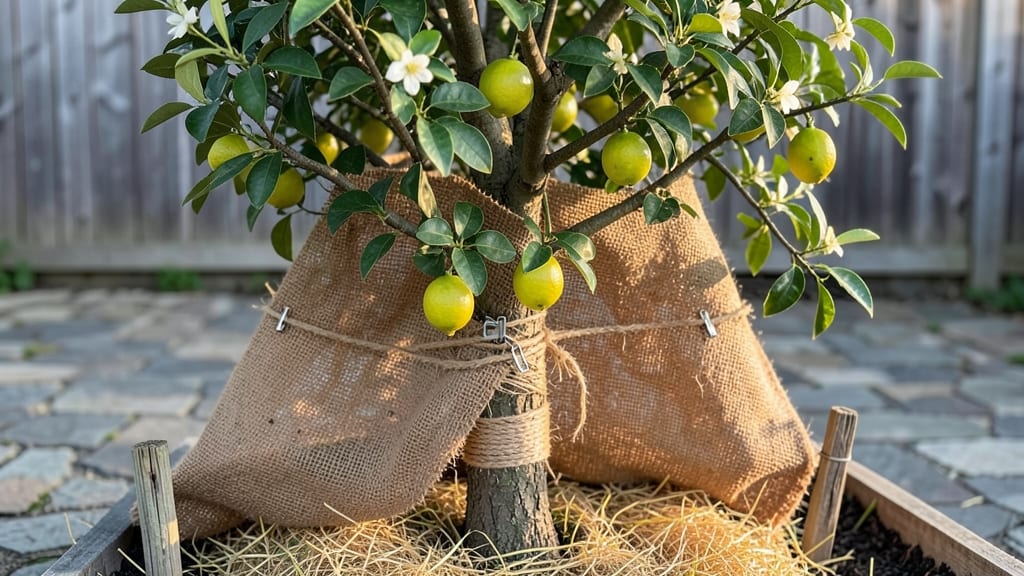
Deciding whether to cover your lemon tree in winter depends on your climate: in freezing zones (below 20°F), protect it with frost cloth or a small greenhouse, while milder areas (above 25°F) may only need shade. Avoid plastic wraps that trap moisture and rot roots.
Lemon trees are sensitive to cold, and the key factor is temperature—not just frost, but prolonged exposure to below 30°F. 🍋 In colder climates, even a light frost can crack bark and damage leaves, while milder winters might only require shade to prevent sunburn from winter sun reflecting off snow.
The right covering balances protection against cold while preventing moisture buildup, which can lead to fungal issues. I've seen frost cloth work wonders in Zone 7b, while my friend in Zone 9a skips covering entirely and just adds mulch around the base.
If you're unsure about your zone, check the USDA Plant Hardiness Zone Map—it’s your best guide. The goal is to mimic the tree’s natural winter dormancy while shielding it from sudden temperature drops.
For example, a small greenhouse works well in Zone 6, but in Zone 8, a simple shade cloth might suffice. Always remove covers in early spring to avoid overheating once temperatures rise.
💡 In This Article
- When and Why Lemon Trees Need Winter Protection
- Step-by-Step Guide to Winterizing Lemon Trees
When and why lemon trees need winter protection
Lemon trees are native to subtropical regions where temperatures rarely drop below 40°F, making them highly sensitive to cold. When exposed to freezing temperatures (28°F or lower), the waxy cuticle on citrus leaves can crack, allowing moisture to escape and cells to freeze.
This damage often appears as brown, mushy spots on leaves or bark splitting along the trunk—both signs of irreversible harm. The bark, in particular, is vulnerable because it lacks the protective layers found in hardier trees, leading to rot if moisture gets trapped.
The critical threshold for lemon trees is 25°F, where even brief exposure can cause severe damage.
Below 20°F, root systems begin to freeze, disrupting nutrient uptake and weakening the tree's ability to recover in spring. 🌡️ What's fascinating is how humidity plays a role: while frost cloth provides insulation, improper covering can create a greenhouse effect, trapping moisture and promoting fungal diseases like citrus blight.
This is why breathable materials like frost cloth (rated for 20-25°F) are preferred over plastic, which suffocates the tree and encourages root rot.
In milder climates (Zone 9 and above), the primary concern shifts from frost damage to winter sunburn—a phenomenon where intense winter sunlight reflects off snow and scalds tender leaves. Without protection, you might see yellowing or crispy edges on foliage, even if temperatures stay above freezing.
This is why partial shade (using 50% shade cloth) can be just as important as temperature control in these regions. The key is balancing protection with airflow to prevent moisture buildup while still shielding the tree from harsh elements.
Here's what most people overlook: lemon trees enter dormancy in fall, but their growth cycle is still sensitive to temperature fluctuations. A sudden drop from 50°F to 15°F can shock the tree, even if it's generally in a cold-hardy zone.
This is why gradual acclimation—like moving potted trees to a sheltered spot before the first frost—can make a huge difference. The goal isn't just to keep the tree alive but to help it transition smoothly into winter and emerge healthy in spring.
Consider this real-world example: a lemon tree in Zone 8 might survive 20°F temperatures with proper covering, but if the ground freezes solid, the roots can still suffer.
That's why mulching (adding 3-4 inches of straw or wood chips) around the base is a game-changer—it insulates the soil and maintains a more stable temperature for the roots. The science here is simple: warmer soil means healthier roots, which directly impacts the tree's ability to rebound after winter.
For those in transitional zones (Zone 7-8), the decision often comes down to how consistent the cold is. A single 18°F night might not require full covering, but prolonged exposure below 25°F demands protection.
This is where monitoring becomes crucial—using a minimum-maximum thermometer near the tree helps you make data-driven decisions rather than guessing. 🌱 The bottom line? Lemon trees aren't built for freezing climates, but with the right precautions, you can extend their lifespan and fruit production year after year.