
Pruning
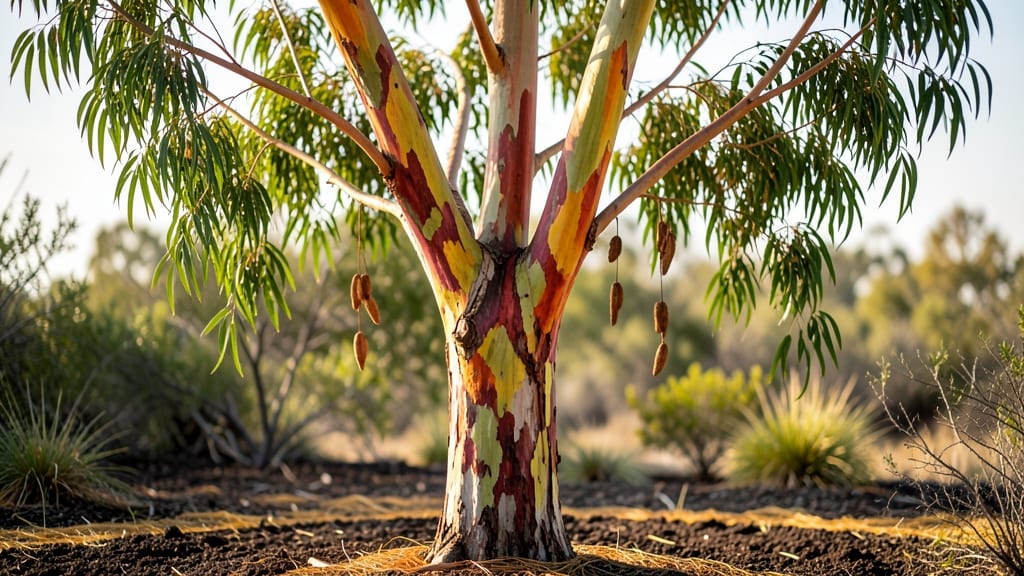
Growing rainbow gum tree seeds takes patience—but cold-stratifying them for 6 weeks unlocks the secret to breaking their stubborn dormancy. 🌱 I’ve wrestled with these seeds for years, and the trick isn’t just moisture or warmth—it’s mimicking the tropical mountain climate they crave before they’ll even think about sprouting.
The process is simpler than it sounds: wrap seeds in damp paper towels, seal them in a plastic bag, and stash them in your fridge for 42 days. No fancy equipment, just time and a little chill.
After that, they’ll shoot up faster than you’d expect—given the right soil mix and bright, indirect light. You’ll end up with vibrant green seedlings that grow surprisingly fast once they break dormancy.
The key is keeping them consistently moist but never soggy, and avoiding direct sun until they’re a few inches tall. Transplanting them into well-draining soil sets them up for long-term success. This method works for beginners and seasoned gardeners alike—just be ready to wait. The payoff?
A stunning, fast-growing tree that thrives in warm climates and adds dramatic color to any landscape.
Natural Triggers for Germination
Rainbow gum tree seeds (Corymbia splendida) don’t just sprout when you plant them—they need specific conditions to break their natural dormancy. Understanding these triggers helps explain why some seeds germinate quickly while others resist for months. Here’s why nature designed them this way.
Most rainbow gum tree seeds require cold stratification, a process where seeds experience a period of cold, moist conditions to mimic winter. This breaks down hard seed coats and activates enzymes that kickstart growth.
In the wild, seeds often fall to the ground in late summer or autumn. The cold winter months soften the seed coat, allowing water to penetrate and triggering germination in spring—when temperatures rise and moisture is abundant.
Without this cold treatment, seeds may stay dormant for years, waiting for the right conditions.
Why it matters: If you skip cold stratification, seeds might never sprout, or they’ll take much longer. Think of it as the seed’s way of ensuring it only grows when survival odds are highest.
Seeds need just the right amount of moisture to germinate—not too dry, not too soggy. The rainbow gum’s thick, waxy seed coat regulates water intake, but it still requires consistent dampness during stratification.
If the soil is too dry, the seed remains dormant. If it’s waterlogged, oxygen is cut off, and the seed can rot before germinating. The ideal balance is a moist but well-draining environment, like a damp paper towel or a lightly watered seed-starting mix.
Pro tip: Use a spray bottle to mist seeds gently—overwatering is a common mistake that drowns seeds before they even wake up! 💡
Rainbow gum seeds thrive in temperature shifts, particularly between warm and cool periods. This fluctuation signals the seed that winter is ending and spring is near—perfect timing for growth.
During cold stratification, seeds experience temperatures between 35–45°F (2–7°C). Once moved to warmer conditions (65–75°F or 18–24°C), germination accelerates. Without these changes, seeds may stay dormant or germinate erratically.
Actionable insight: If you’re growing indoors, place stratified seeds in a warm spot (like near a sunny window) after cold treatment. A heat mat can also speed up the process!
While many seeds need darkness to germinate, rainbow gum seeds are light-sensitive. Once stratification is complete, they often require exposure to light to trigger sprouting.
In nature, seeds buried too deeply may not get enough light, delaying germination. But when they’re near the surface or in well-lit soil, they sense the right conditions and break through. This explains why some gardeners see faster results when planting seeds shallowly.
Quick fix: After stratification, place seeds in a bright, indirect light spot (like a north-facing window) to encourage germination. Avoid deep planting—just press them lightly into moist soil. ✨
By mimicking these natural triggers—cold, moisture, temperature shifts, and light—you’re essentially fooling the seed into thinking it’s springtime in the gum tree’s native Australia. No magic required, just science! 🌳🔬
Fixing Germination Challenges Fast
Cold-stratifying rainbow gum tree seeds can be a game-changer for impatient gardeners, but even the best methods sometimes hit snags.
Whether your seeds aren’t sprouting, mold is creeping in, or the process feels too slow, these practical fixes will get your seeds growing in record time—plus tips to keep future batches thriving.
---
If your seeds are stubbornly refusing to sprout, the issue might be moisture, temperature, or timing. Here’s how to troubleshoot:
#### 🌡️ Check Your Cold Stratification Setup - Problem: Too warm or dry?
Seeds need consistent moisture and cold (34–40°F) to break dormancy. - Fix: - Moisture test: Squeeze your growing medium—it should feel like a wrung-out sponge, not bone-dry or soggy. - Temperature check: Use a refrigerator thermometer to confirm the cold zone.
If it’s too warm (above 45°F), move seeds to a cooler part of the fridge or add ice packs. - Oxygen flow: If seeds are packed too tightly, loosen the mix or poke holes in the bag for airflow.
#### 🍳 Adjust Your Germination Medium - Problem: Poor-quality soil or sterile mix can suffocate seeds. - Fix: - Swap for a better medium: Use a 50/50 mix of peat moss and perlite (or coconut coir for moisture retention). - Sterilize first: Boil your mix for 10 minutes to kill mold spores before use. - Layer seeds properly: Place seeds 1/4-inch deep, spaced 1 inch apart, to avoid overcrowding.
#### ⏰ Extend Stratification Time (If Needed) - Problem: Some rainbow gum seeds need longer cold exposure (up to 8 weeks). - Fix: - Test a second batch: Stratify a fresh set for 2 extra weeks before checking for sprouts. - Warm-up trick: After 6 weeks, move trays to a warm, sunny windowsill (70–75°F) to speed up germination.
--- A fuzzy white or black growth means excess moisture or poor hygiene. Here’s how to clean it up:
#### 🧼 Sanitize Your Seeds & Tools - Problem: Fungal spores thrive in damp conditions. - Fix: - Remove infected seeds: Discard any seeds with mold and sterilize your hands/tools with rubbing alcohol. - Fungicide spray: Lightly mist seeds with a 1:10 hydrogen peroxide/water mix (3%) to kill spores. - Improve airflow: Prop open seed trays or use a small fan on low to dry surfaces.
#### 🌡️ Lower Humidity Levels - Problem: Too much condensation = mold paradise. - Fix: - Reduce watering: Let the top 1/2-inch of soil dry between waterings. - Use a breathable container: Switch to a perforated plastic bag or a seed-starting tray with drainage holes. - Increase light: Place trays under grow lights (12–14 hours/day) to dry surfaces faster.
--- If you’re eager to see sprouts, these accelerated methods can cut waiting time:
#### 🔥 Heat Shock Method (Quick Boost) - How it works: A brief warm spell tricks seeds into breaking dormancy faster. - Steps: 1. After 3 weeks of cold stratification, move seeds to a warm (80°F) spot for 24–48 hours.
2. Return to cold stratification for another 2 weeks. 3. Repeat the warm cycle if no sprouts appear.
#### 💡 Light Exposure Trick - Problem: Some seeds need light to germinate. - Fix: - Use a clear plastic dome (like a propagator) to trap warmth and light. - Place trays under LED grow lights (6–12 inches away) for 14 hours/day during stratification.
--- Avoid common pitfalls with these proactive strategies:
- 📊 Track conditions: Keep a small notebook logging moisture, temp, and seed progress. - ✨ Use sterile tools: Wash scissors, tweezers, and containers with soapy water and bleach before use. - 🌱 Start small: Test 5–10 seeds at a time to refine your method without waste. - 🌡️ Monitor fridge temps: Avoid door shelves (temps fluctuate)—use middle or crisper drawers for stability. - 🌿 Pre-soak seeds (optional): Soak hard seeds in lukewarm water for 12–24 hours before stratification to soften the coat.
--- Pro Tip: 💡 If all else fails, try scarification—lightly sand the seed coat with fine-grit sandpaper to help water penetrate. Rainbow gum seeds often respond well to this trick!
Frequently asked questions
How do I know if my rainbow gum tree seeds are still viable?
Fresh rainbow gum seeds should be firm and plump, not shriveled or cracked. If they float in water, they're likely dead—viable seeds sink. Store seeds in a cool, dry place (like a sealed container in your fridge) for up to 1 year to maintain viability. For older seeds, try scarification (lightly sanding the seed coat) to help water penetrate.
Can I grow rainbow gum trees indoors?
While possible, rainbow gum trees thrive best outdoors in warm climates. If growing indoors, place seedlings near a south-facing window with 12+ hours of light daily (use grow lights if needed). They’ll need frequent pruning to stay manageable—these trees can grow 50+ feet tall in ideal conditions! Expect slower growth indoors due to limited space.
Why are my seedlings growing so slowly after germination?
Slow growth is normal for young rainbow gum trees—they prioritize root development first. Ensure they get bright, indirect light and keep soil consistently moist (not soggy). Once seedlings reach 6 inches tall, you can gradually introduce more sunlight. Fertilize lightly with a balanced 10-10-10 mix every 4-6 weeks to encourage faster growth.
Do rainbow gum trees need special soil?
These trees prefer well-draining, slightly acidic soil with a pH of 5.5-6.5. Mix equal parts potting soil, perlite, and compost for optimal growth. Avoid heavy clay soils—rainbow gums hate "wet feet" and are prone to root rot. If planting outdoors, amend native soil with organic matter to improve drainage. Mulch around the base to retain moisture and regulate temperature.
How cold can rainbow gum trees tolerate?
Native to tropical climates, rainbow gum trees struggle below 25°F (-4°C). Young seedlings are especially sensitive—protect them from frost with frost cloth or move pots indoors. Mature trees can handle brief dips to 20°F (-7°C), but prolonged cold causes leaf damage. In colder zones, grow them as container plants or in sheltered microclimates like near south-facing walls.