Size
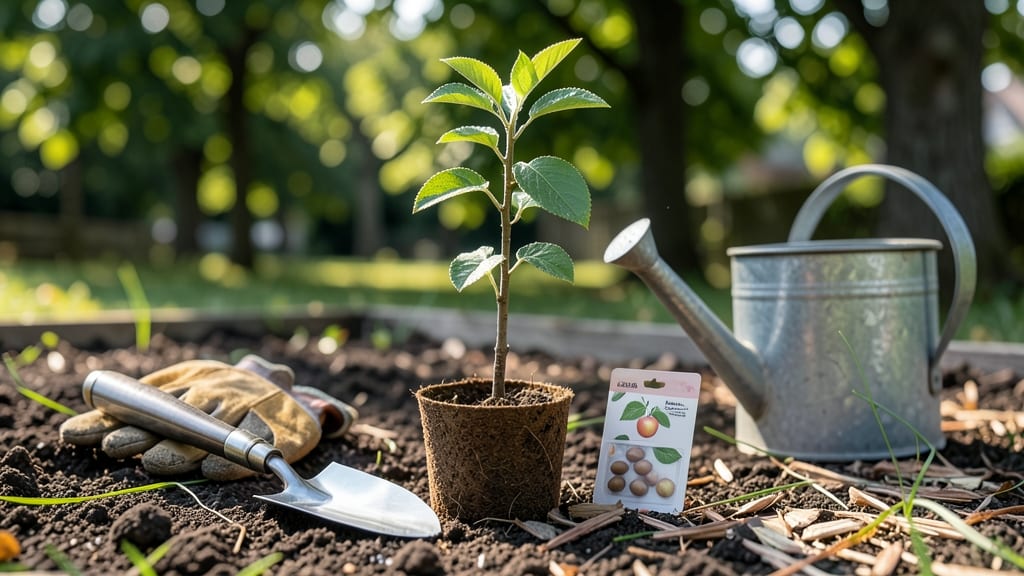
If you plant an apple seed, a tree will grow—but the fruit may differ from the parent apple due to genetic variation. Growing conditions like soil quality, sunlight, and patience determine whether the tree survives and eventually bears fruit.
Planting an apple seed is like starting a science experiment in your backyard. 🌱 The seed contains all the genetic instructions to grow a tree, but nature often takes unexpected turns—what emerges might look nothing like the apple you started with.
This happens because seeds carry a mix of traits from both parent trees, leading to unpredictable fruit flavors, sizes, and colors. Even if you plant a seed from a prized heirloom apple, there's no guarantee the resulting tree will produce the same delicious fruit.
Most commercial apple trees are grafted instead, ensuring consistent fruit quality.
For the best results, plant seeds in well-draining soil with plenty of sunlight and keep them consistently moist during germination. 🌿 Remember, this process requires years of care—apple trees grown from seed can take 5-10 years to bear fruit, if they do at all.
While the journey is unpredictable, it can be incredibly rewarding for patient gardeners who enjoy the adventure of growing something from scratch.
💡 In This Article
- How Apple Seed Germination and Growth Work
- Best Practices for Growing an Apple Tree from Seed
How apple seed germination and growth work
The magic begins when you crack open an apple seed—inside lies an embryonic tree waiting to unfold. 🌱 The seed contains two key parts: the embryo (future plant) and the endosperm (food supply).
When planted, the seed enters a state called dormancy, a survival mechanism that prevents germination until conditions are ideal. For apple seeds, this dormancy can last months or even years, depending on the variety.
Cold stratification (exposing seeds to cold, moist conditions) mimics winter and breaks dormancy, signaling the embryo to start growing.
Once active, the seed's radicle (root) emerges first, anchoring into the soil and drawing up water. Within days, the shoot pushes upward, developing into the stem and leaves.
This early growth is powered by the seed's stored energy, but once the seedling's roots reach 6-12 inches deep, it must rely on photosynthesis to survive.
The genetic lottery kicks in here—while the tree will be an apple tree, its fruit may taste completely different from the parent. 🍏 Store-bought apples often come from grafted trees (where a desired variety is attached to a rootstock), so their seeds carry mixed genetics from unknown parent trees, leading to unpredictable results.
Grafted trees, on the other hand, are genetically identical to the parent plant because they're clones. This is why commercial orchards use grafting—they guarantee consistent fruit quality, disease resistance, and predictable harvests.
Seed-grown trees, however, are like nature's experiments: some may produce tart, small apples, while others yield sweet, large ones. The unpredictability is part of the fun, but it means you might never get the exact apple you started with.
Root development is another critical factor. A healthy apple seedling needs strong roots to support its growth over 5-10 years until it bears fruit. Weak roots struggle in poor soil or drought conditions, leading to stunted growth or death.
The tree's first few years are all about building a sturdy foundation—think of it like a skyscraper's foundation before construction begins. 🌳 Without proper care, even a well-started seedling can fail to thrive, highlighting why patience and attention to detail are essential.
Light plays a starring role too. Apple trees need 6-8 hours of sunlight daily to grow properly. Inadequate light leads to leggy, weak stems and poor fruit development. The leaves, which develop after the seedling breaks ground, are its energy factories, converting sunlight into sugars through photosynthesis.
Without enough light, the tree's growth stalls, and it may never reach maturity. This is why choosing the right planting spot—one that gets full sun—is non-negotiable for success.
Finally, the genetic unpredictability of seed-grown trees means you might end up with a tree that produces fruit completely different from what you expected.
For example, planting a seed from a Honeycrisp apple could yield a tree that bears small, tart apples instead of the sweet, juicy ones you love. 🍎 This is why many gardeners opt for grafting or buying young trees from nurseries if they want reliable fruit production.
But for those who enjoy the adventure, growing an apple tree from seed is a rewarding journey into the mysteries of nature.