
Leaf Blower
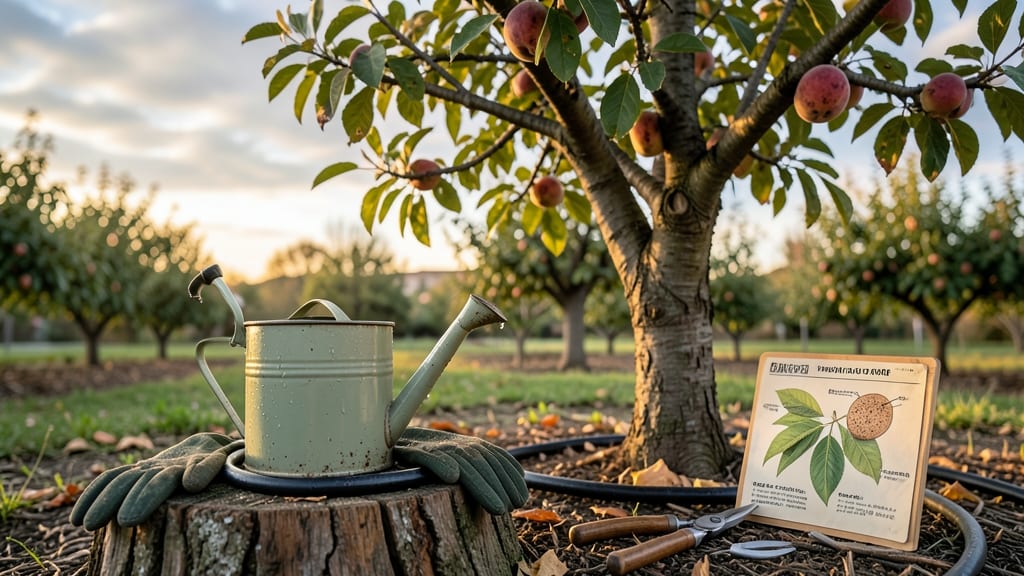
Your peach tree’s drooping leaves aren’t just a summer slump—they’re a cry for help. 🌿 I’ve watched leaf wilt turn a thriving peach tree into a sad, skeletal shadow, and the fix starts with knowing what’s really wrong.
Is it fungal leaf spot, bacterial canker, or just too much heat? The symptoms point to the cure, and acting fast means saving your harvest.
Start by checking the leaves up close: brown spots with yellow halos? That’s likely fungal. Slimy, oozing cankers? Bacterial infection. Or maybe it’s environmental—drought stress or overwatering can make leaves curl and wilt just as dramatically.
The key is catching it early, before the disease spreads or the roots rot from poor care.
Once you’ve diagnosed the problem, treatment is simpler than you think. Prune out infected branches (sterilize your tools!), apply copper fungicide for bacterial issues, and adjust your watering—deep and infrequent beats daily sprinkles.
With the right fix, your tree will bounce back, and those branches will burst with fresh green by next season.
Prevention is where the real magic happens: choose disease-resistant varieties, space trees properly for airflow, and mulch to keep roots happy. A little upfront care means fewer wilted leaves and more juicy peaches come harvest time. Let’s get your tree back to full, lush life.
Root Causes Of Leaf Droop
Understanding why your peach tree’s leaves wilt is the first step to saving it. Wilting often signals stress, and peach trees—like all fruit-bearing trees—are particularly sensitive to environmental and biological pressures. Below, we break down the most common culprits behind peach tree leaf wilt, explained in clear, actionable terms.
---
Peach trees thrive in warm climates but can quickly succumb to heat stress when temperatures soar above 90°F (32°C) for extended periods. Wilting leaves are often a survival mechanism—your tree is trying to reduce water loss by closing stomata (tiny leaf pores).
However, if drought persists, the tree may enter irreversible wilting, where leaves dry out and die.
Why it happens: - Insufficient water uptake: Roots struggle to absorb moisture from dry or compacted soil, especially in sandy or rocky terrain. - Transpiration overload: Hot, dry winds increase evaporation rates, forcing the tree to expend energy it doesn’t have. - Root damage: If roots are shallow or damaged (from poor planting or past trauma), they can’t access deep moisture reserves.
Actionable fix: - Deep watering: Soak the soil 12–18 inches deep 2–3 times per week during heatwaves (use a moisture meter to check). - Mulch like a pro: Apply 3–4 inches of organic mulch (wood chips, straw) to retain moisture and cool roots. Keep mulch 6 inches away from the trunk to prevent rot. - Shade relief: Use shade cloth (30–50%) during peak afternoon sun (12 PM–4 PM) if your tree is in a hot, exposed area.
---
Wilting can also stem from root suffocation—a silent killer that’s often mistaken for drought. Peach trees hate soggy feet and are prone to root rot (Phytophthora or Fusarium fungi) when water pools around roots.
Why it happens: - Compacted or clay soil: Water drains slowly, leading to anaerobic conditions (lack of oxygen) that strangle roots. - Overzealous watering: Frequent light watering keeps the topsoil wet but doesn’t encourage deep root growth. - Improper planting: Trees planted too deep or in low-lying areas trap water against the trunk.
Actionable fix: - Test your soil: Stick a screwdriver into the soil—if it goes in easily, drainage is likely good. If it’s tough to penetrate, amend with perlite, sand, or compost to improve aeration. - Water deeply but less often: Aim for 1–1.5 inches of water per week (including rain). Let the top 2 inches of soil dry out between waterings. - Raise the planting area: If your tree is in a depression, mound soil around the base to create a slight slope for runoff.
---
Wilting leaves can be a red flag for disease, particularly in peach trees. Two notorious culprits are: 1. Bacterial Leaf Scorch (Xanthomonas spp.): Clogs water-conducting vessels, causing brown, crispy leaf edges and wilting.
2. Verticillium or Fusarium Wilt (soil-borne fungi): Invades the xylem (tree’s plumbing system), blocking water flow and leading to sudden wilting, even with adequate moisture.
Why it happens: - Weakened tree defense: Stress from drought, poor nutrition, or physical damage (like pruning cuts) opens the door for pathogens. - Contaminated tools or soil: Fungal spores hitchhike on pruners, mulch, or even water from infected plants. - Warm, humid conditions: Ideal for fungal spores to germinate and spread (think 75–85°F and high humidity).
Actionable fix: - Prune strategically: Remove all infected leaves/branches (sterilize tools with 70% rubbing alcohol between cuts). Bag and dispose of debris—don’t compost! - Fungicide defense: Apply a copper-based fungicide (for bacterial scorch) or phosphite-based treatment (for Verticillium) before symptoms appear (preventative care is key). - Improve air circulation: Thin out dense branches and avoid overhead watering to reduce humidity around foliage.
---
Pests like nematodes, aphids, or borers can wreak havoc on peach trees by disrupting nutrient/water transport.
For example: - Root-knot nematodes feed on roots, reducing their ability to absorb water. - Aphids suck sap, causing leaves to curl and wilt as the tree diverts energy to repair damage. - Peach tree borers tunnel into the cambium layer (the tree’s growth ring), severing vascular tissue.
Why it happens: - Lack of beneficial insects: Predatory wasps or ladybugs keep pests in check—but if they’re missing, pests thrive. - Stressed trees attract pests: Weak trees (from drought, poor soil, or nutrient deficiencies) are buffet tables for insects. - Over-fertilization with nitrogen: Encourages soft, pest-loving growth (think: aphid heaven).
Actionable fix: - Inspect roots & bark: Gently dig around the base to check for galls (nematodes), sawdust-like frass (borers), or sticky honeydew (aphids). - Neem oil spray: A natural pesticide that disrupts pest life cycles. Apply every 7–10 days during outbreaks. - Beneficial nematodes: For root-dwelling pests, use Steinernema carpocapsae (sold as "beneficial nematodes") to target nematodes in the soil.
--- Wilting can also stem from hidden hunger—even if your tree looks green, it might be starving for key micronutrients like magnesium, potassium, or iron.
Why it happens: - Magnesium deficiency (interveinal chlorosis): Leaves yellow between veins because magnesium is vital for chlorophyll production. Wilting follows as the tree struggles to photosynthesize. - Potassium deficiency: Weakens cell walls, making leaves flaccid and prone to wilting, even with water. - Iron chlorosis: Common in alkaline soils (pH > 7.0), iron becomes locked away, causing yellow leaves and stunted growth.
Actionable fix: - Soil test first! Send a sample to a lab (or use a DIY test kit) to identify deficiencies. Many extension offices offer low-cost testing. - Targeted fertilizers: - Magnesium: Sprinkle Epsom salt (1 tbsp per gallon of water) every 4–6 weeks. - Potassium: Use a balanced fertilizer (10-10-10 or 5-10-10) in early spring. - Iron: Apply chelated iron (like Ironite) or sulfur to lower soil pH if it’s alkaline. - Organic boost: Mix compost tea or worm castings into the soil to improve microbial activity and nutrient availability.
--- Pro Tip: 🔍 Diagnose like a detective: - Morning vs. evening wilting: Leaves that wilt only in the heat = drought/heat stress.
Leaves that stay wilted overnight = disease or root damage. - Check the pattern: Random wilting = pest/disease. Uniform wilting = environmental (water/soil issue). - Smell the soil: A sour, rotten odor = root rot. Dry, crusty soil = drought.
Reviving Your Tree Step-by-Step
When your peach tree’s leaves start wilting, acting fast can mean the difference between a sad, drooping branch and a thriving fruit-bearing tree. Below, we’ve mapped out practical, actionable fixes based on the most common causes—plus tips to keep your tree healthy long-term.
---
Problem: Wilting leaves often signal poor water management—either too much moisture (root rot) or too little (drought stress).
How to Fix It: 1. 💧 Check the Soil Moisture Stick your finger 2–3 inches deep into the soil. If it’s soggy, you’re overwatering; if dry, it’s time to hydrate. - Overwatering? Let the top 4–6 inches dry out before watering again. Improve drainage by adding compost or sand to heavy clay soil. - Underwatering? Water deeply (1–2 inches per week) at the base of the tree, not the leaves. Use a soaker hose for even distribution.
2. 🌡️ Mulch Like a Pro Apply 2–4 inches of organic mulch (wood chips, straw) around the tree’s drip line (the edge of its canopy). This retains moisture and regulates soil temperature. - Pro Tip: Keep mulch 6 inches away from the trunk to prevent rot.
3. 🚰 Drainage Upgrade (If Needed) If your tree sits in a low spot where water pools, create a slight slope away from the trunk using soil or a French drain.
Prevention: - Water in the morning (reduces fungal risks from wet leaves). - Use a moisture meter for precise readings. - Avoid shallow watering—deep, infrequent watering encourages strong roots.
---
Problem: Fungal diseases like peach leaf curl or brown rot cause wilting, yellowing, and premature leaf drop.
How to Fix It: 1. 🧼 Prune Infected Leaves - Remove wilting or spotted leaves with sterilized pruners (wipe with rubbing alcohol between cuts). - Dispose of debris in the trash (not compost) to stop spores from spreading.
2. 💊 Apply Fungicide - Preventative: Spray copper fungicide or neem oil in early spring (before buds swell) and after rain. - Active Infection: Use a systemic fungicide (like myclobutanil) and reapply every 7–14 days until new growth appears. - DIY Option: Mix 1 tsp baking soda + 1 tsp oil + 1 gallon water (spray on leaves; test a small area first).
3. 🌿 Improve Airflow - Thin out crowded branches to let sunlight and air circulate. - Space trees 15–20 feet apart when planting new ones.
Prevention: - Water at the base (avoid wetting leaves). - Clean up fallen leaves regularly. - Plant resistant varieties (e.g., ‘Redhaven’ or ‘Elberta’ peaches).
---
Problem: Sap-sucking pests weaken the tree, causing leaves to wilt, curl, or drop.
How to Fix It: 1. 🔍 Inspect for Pests - Aphids: Tiny green/black bugs on new growth. - Borers: Sawdust-like frass near the trunk or holes in branches. - Spider Mites: Fine webbing on undersides of leaves.
2. 🛡️ Natural Pest Control - Blast off aphids with a strong spray of water. - Introduce beneficial insects: Ladybugs or lacewings eat aphids. - Neem oil spray (1 tsp per quart of water) disrupts pest life cycles.
3. 🪒 Treat Borer Infestations - Drill holes in infested branches and inject borax solution (1 tbsp borax + 1 quart water). - Wrap trunks with tree banding (sticky traps) to catch emerging adults.
Prevention: - Encourage natural predators (plant marigolds or dill nearby). - Avoid over-fertilizing (weakens tree defenses). - Prune in late winter to remove pest hiding spots.
---
Problem: Extreme temperatures (scorching sun or late frosts) can shock the tree into wilting.
How to Fix It: 1. 🌞 Provide Temporary Shade - Use shade cloth (30–50%) if planting in a hot, exposed area. - Mulch heavily (4+ inches) to insulate roots.
2. ❄️ Protect from Frost - Cover young trees with frost cloth on cold nights. - Water deeply before frost (hydrated trees handle cold better).
3. 💧 Post-Stress Hydration - After heatwaves, water slowly over 2–3 days to avoid root shock. - Avoid fertilizing stressed trees—focus on recovery first.
Prevention: - Choose cold-hardy varieties (e.g., ‘Relenta’ for heat tolerance). - Plant in microclimates (e.g., north side of the house for shade). - Monitor weather forecasts and act early.
--- Once you’ve addressed the immediate issue, consistent maintenance keeps wilting at bay: - Fertilize in early spring with balanced 10-10-10 (avoid high nitrogen in summer). - Test soil pH (peaches prefer 6.0–6.5; amend with lime or sulfur if needed). - Monitor regularly for early signs of stress (yellowing, sticky leaves, or weird growth).
💡 Pro Tip: Keep a tree care journal—note watering, pruning, and pest events to spot patterns.
--- Your peach tree can bounce back! With the right fixes and a little TLC, those wilting leaves will soon be lush, green, and productive again. 🍑✨
Frequently asked questions about peach tree leaf wilt
Why do my peach tree leaves wilt in the afternoon but recover at night?
This is classic heat stress—your tree closes its stomata (leaf pores) during hot afternoons to conserve water. If leaves stay wilted overnight, check for drought stress or root damage. Water deeply in the morning (1–2 inches per week) and use 3–4 inches of mulch to retain moisture.
How can I tell if my peach tree’s wilting is from disease or just drought?
Disease often shows specific patterns: brown spots with yellow halos (fungal), oozing cankers (bacterial), or sudden wilting even with water (vascular disease). Drought wilting is even across leaves and recovers at night. Test soil moisture—if dry 2+ inches down, it’s thirsty.
Is it safe to prune wilting peach tree branches?
Yes, but only remove dead/diseased branches—never more than 25% of the canopy at once. Sterilize tools with 70% rubbing alcohol between cuts. Prune in late winter (before buds swell) to minimize stress. Bag infected debris—never compost it!
Will my peach tree recover if I fix the wilting now?
Early action improves chances! Young trees often bounce back in 2–4 weeks with proper care. For severe cases (like fungal wilt), recovery may take 6+ months. Focus on deep watering, fungicide treatments, and removing infected parts. Monitor for new growth—it’s your best sign of progress!