
Pruning
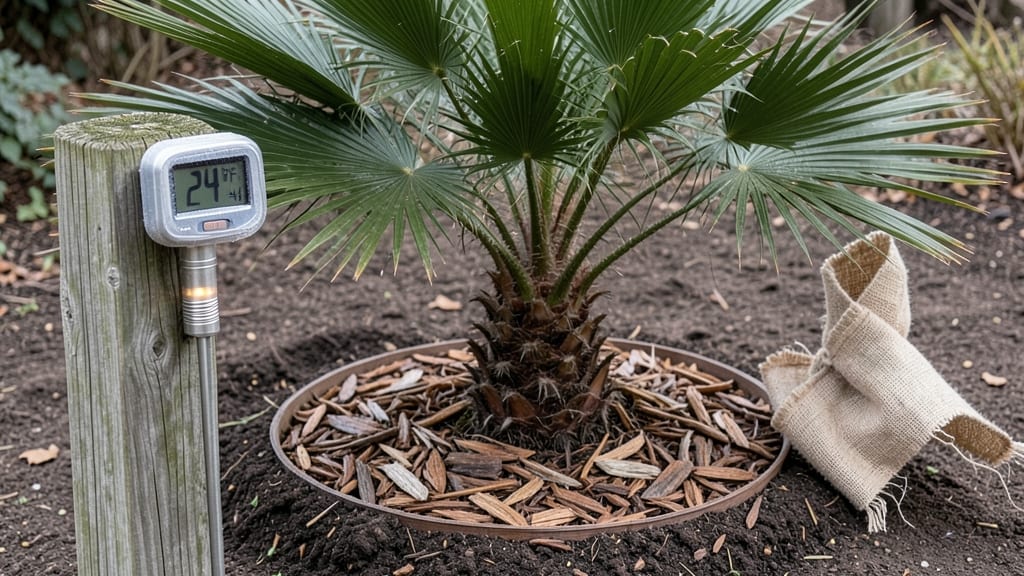
Understanding palm tree cold tolerance reveals dramatic differences between species, with frost-resistant varieties like Windmill Palms enduring temperatures down to 15°F in USDA Zones 8-11, while delicate tropical palms such as Royal Palms suffer irreversible damage when thermometers drop below 32°F. Strategic winter preparation—like protective wraps and microclimate adjustments—can mean the difference between survival and loss.
Palm trees aren't all created equal when it comes to chilly weather. 🌬️ Some species, like the cold-hardy Pindo Palm, can handle brief freezes down to 10°F, while others, such as the sensitive Date Palm, start showing damage at just 28°F. The key factor isn't just the lowest temperature but how long the cold lasts—prolonged exposure, even at milder temps, can stress or kill tropical varieties.
For example, a sudden frost might not harm a Windmill Palm, but a week-long freeze at 25°F could devastate a Canary Palm. That's why knowing your specific palm species and its exact cold tolerance range is crucial for planning winter protection.
Beyond species selection, microclimates play a huge role in survival. A palm planted near a south-facing wall or in a sheltered garden spot might endure temperatures 5-10°F colder than one exposed to wind and open skies.
This natural insulation can make all the difference during borderline cold snaps. That's why I always recommend assessing your local microclimates before choosing palm trees—some varieties might thrive where others would perish.
💡 In This Article
- Cold Hardiness Zones for Different Palm Tree Species
- Protecting Palm Trees from Winter Freezes
Cold hardiness zones for different Palm tree species
Palm tree cold tolerance varies dramatically across species, with some thriving in USDA Zone 8 (down to 10°F) while others require Zone 11 protection (above 40°F).
The most cold-hardy palms, like the Windmill Palm (Trachycarpus fortunei), can survive brief dips to 15°F thanks to their thick, fibrous trunks that act like natural insulation. These palms originate from mountainous regions of China where they endure seasonal temperature swings—nature's own cold acclimation program.
At the other extreme, tropical palms such as the Royal Palm (Arecastrum romanzoffianum) begin showing frost damage at 32°F, with irreversible harm occurring below 28°F. The difference lies in their cellular structure: tropical palms have thinner, less woody trunks and larger fronds that freeze easily.
For example, a Canary Palm (Phoenix canariensis) in Zone 9 might survive a single night at 25°F but will suffer frond burn and potential death after 3-4 days below freezing. This duration sensitivity explains why some palms survive unexpected cold snaps while others perish during prolonged winter freezes.
Here's how the cold tolerance spectrum breaks down by common species:
- Most Cold-Hardy: Pindo Palm (Butia capitata) - 10°F (Zone 8), Needle Palm (Rhapidophyllum hystrix) - 0°F (Zone 6)
- Moderately Hardy: Windmill Palm - 15°F (Zone 8), Mediterranean Fan Palm (Chamaerops humilis) - 10°F (Zone 8)
- Tropical Varieties: Royal Palm - 32°F (Zone 10), Date Palm (Phoenix dactylifera) - 28°F (Zone 9)
- Least Hardy: Coconut Palm (Cocos nucifera) - 30°F (Zone 10), Palmetto (Arecaceae spp.) - 25°F (Zone 9)
The science behind these differences involves cryoprotectant compounds that hardy palms produce. These natural antifreeze molecules—similar to those in cold-resistant plants like winter wheat—prevent ice crystal formation in their cells. For instance, the Pindo Palm's native Brazilian highlands expose it to seasonal cold, triggering genetic adaptations that tropical palms lack.
This biological advantage explains why some palms can bounce back from 20°F freezes while others show irreversible damage at 30°F.
Duration matters just as much as temperature. A 30°F night might not harm a Canary Palm, but three consecutive nights at that temperature can cause frond desiccation and trunk damage.
This is why gardeners in marginal zones (Zone 8b) often plant palms in sheltered microclimates—where afternoon sun warms the trunk and evening winds are blocked by structures. The trunk's ability to absorb and radiate heat becomes the critical survival factor during extended cold periods.
What most people overlook is how soil temperature affects root survival. Even if air temps stay above freezing, frozen soil can kill palm roots at 32°F or higher.
This is why mulching with 4-6 inches of organic material becomes essential in colder zones—it creates an insulating blanket that maintains root-zone temperatures 5-10°F warmer than ambient air. The difference between survival and death often comes down to these microclimate protections rather than the palm species itself.