
Blooming
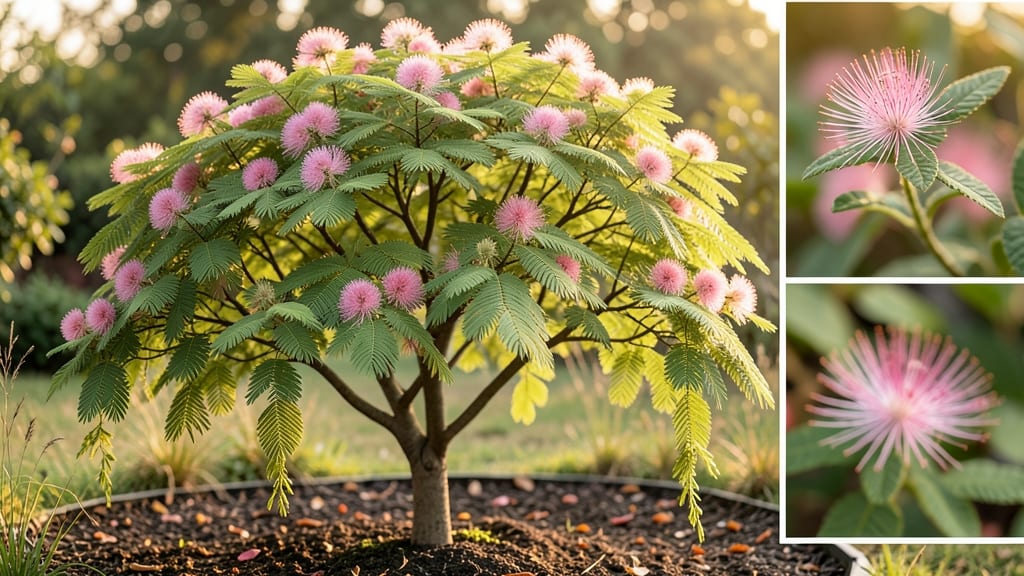
Your mimosa tree’s bloom time depends entirely on its variety and where you live — and getting it wrong means missing that showstopping pink cloud of flowers for months.
If you’re dreaming of a showstopping mimosa tree 🌳 bursting with fragrant blossoms, timing is everything — yet bloom schedules vary wildly by variety and climate. Some varieties bloom as early as late April, while others hold off until June, and a single late frost can delay everything by weeks.
In USDA Zone 6a, where many gardeners plant mimosa trees, the typical bloom window stretches from mid-May through early July, but cooler springs or heavy pruning can push those dates back.
Meanwhile, in warmer zones like Florida, mimosas may start blooming as early as March, giving you a head start on spring color.
Below, I’ll break down the exact bloom months by popular mimosa varieties, how climate shifts those timelines, and 5 simple tricks to encourage earlier or longer blooms — so you never miss your tree’s star moment again.
When mimosa trees bloom: exact months by popular varieties
Mimosa trees (Albizia julibrissin) are famous for their fluffy pink blooms and sweet fragrance, but their bloom time varies dramatically depending on the variety and your USDA hardiness zone.
Whether you’re growing the classic Albizia julibrissin or a showy cultivar like 'Summer Chocolate', knowing the exact window helps you plan for peak beauty. Most mimosas bloom just once per year, but some varieties surprise gardeners with a second flush later in summer.
In warmer zones (8–10), mimosas often bloom as early as March or April, while in cooler regions (zones 6–7), blooms typically arrive in May or June. The difference comes down to temperature cues—mimosa trees need consistent warmth to trigger flowering.
Even within the same zone, microclimates (like urban heat islands) can shift bloom times by 2–4 weeks. Let’s break down the exact months for your favorite varieties.
🌱
| Variety | Primary Bloom Window (USDA Zones 6–7) | Primary Bloom Window (USDA Zones 8–10) | Second Flush? | Notes |
|---|---|---|---|---|
| Albizia julibrissin (Standard) | Late May – Early June | Mid-April – Mid-May | Rare (late July) | Classic pink blooms; needs full sun. |
| 'Summer Chocolate' | Early June – Mid-June | Late April – Early June | Yes (August) | Dark foliage; prolific second flush. |
| 'Pink Dawn' | Mid-May – Late May | Early April – Early May | Occasional (July) | Lighter pink blooms; compact growth. |
| 'Bare Root' (Young Trees) | Year 2–3 (June–July) | Year 1–2 (May–June) | No (until mature) | Blooms delayed until established. |
The 'Summer Chocolate' variety is a standout for gardeners in zones 8–10 because it often produces a second flush of blooms in August, extending your seasonal display.
In contrast, the 'Pink Dawn' tends to bloom slightly earlier than the standard mimosa, making it ideal for early spring celebrations in warmer climates. If you’re in zone 6 or colder, expect delays—some years, blooms may push into early July due to late frosts.
For bare-root mimosa trees, blooms are a patience game. These young trees typically wait 2–3 years before producing flowers, with the first blooms appearing in June or July even in warm zones.
This delay is normal—focus on deep watering and full-sun exposure to encourage root growth, which directly impacts future blooming.
One common misconception is that mimosas bloom year-round in the South. While they do bloom earlier in zones 9–10, even southern mimosas follow seasonal cues. A hot summer drought or heavy pruning in late winter can delay or reduce blooms entirely.
To maximize flowers, avoid pruning until after blooming season and mulch heavily in late winter to protect roots.
If your mimosa skips blooming entirely, check these factors: poor soil drainage, over-fertilizing with nitrogen, or insufficient sunlight. Mimosa trees need at least 6 hours of direct sun daily and well-draining soil to thrive.
Amend heavy clay soil with compost or sand to improve drainage, and use a balanced 10-10-10 fertilizer in early spring to encourage blooms without excessive leaf growth.
Pro tip: Mark your calendar for late May in cooler zones or April in warm zones to catch the peak bloom window. Set up a photo journal to track your mimosa’s progress—some years, blooms arrive 2 weeks early or late due to weather patterns.
With the right variety and care, your mimosa will reward you with months of fragrant, eye-catching blooms that attract bees and butterflies alike.
🌸
How climate zones shift mimosa bloom time: a state-by-state guide
Your mimosa tree's bloom time isn't set in stone—it dances with climate zones, temperature shifts, and even your local microclimate. In Florida's Zone 10, those iconic pink puffs may appear as early as March, while New England's Zone 5 might not see them until June.
These variations mean your garden's star moment could arrive months apart depending on where you plant.
Beyond the USDA zone, factors like urban heat islands, humidity levels, and frost dates create even more nuance. A mimosa in rural Georgia might bloom 2 weeks earlier than its Atlanta neighbor due to concrete's heat retention.
Understanding these patterns helps you time pruning, schedule photoshoots, or even plan weddings around your tree's floral display.
🌱 Comparison Table: Mimosa Bloom Times by State & Climate Factors
| State | USDA Zone | Typical Bloom Window | Key Climate Factor | Microclimate Tip |
|---|---|---|---|---|
| Florida | 10-11 | March–April | High humidity, no frost | Plant near water features for cooler microclimate |
| Georgia | 7b–8a | April–May | Moderate humidity, mild winters | Urban areas bloom 1–2 weeks later |
| Texas | 8a–9b | April–June | Variable rainfall, heat spikes | Drip irrigation extends bloom duration |
| New York | 5b–6a | June–July | Late frosts, short growing season | South-facing walls accelerate blooming |
| California | 9–10 | March–May | Mediterranean climate | Coastal areas bloom earlier than inland |
Notice how California and Florida share similar bloom windows despite being 2,000 miles apart? That’s the Mediterranean climate at work—mild winters and consistent moisture create ideal conditions.
Meanwhile, New York's later blooms reflect its shorter growing season and late spring frosts, which can nip tender buds if you’re not careful.
For urban gardeners, microclimates matter most. A mimosa in downtown Phoenix might bloom 3 weeks earlier than one in rural Arizona due to asphalt heat. To counteract this, plant in shadier spots or use light-colored mulch to reflect excess heat.
In humid climates like Louisiana, watch for powdery mildew—prune for airflow to keep blooms healthy.
Pro tip: Track your local last frost date and count 12–14 weeks ahead to predict blooming. In Zone 6, this might land in late May, while Zone 9 gardeners can expect April showers followed by May blooms.
Adjust your pruning schedule accordingly—wait until after blooming to shape your tree for next year’s display.
With this state-by-state guide, you’ll never be caught off guard by your mimosa’s seasonal performance. Whether you’re planning a garden party or simply savoring its fragrant blooms, timing is your secret weapon. 🌸