
Pruning
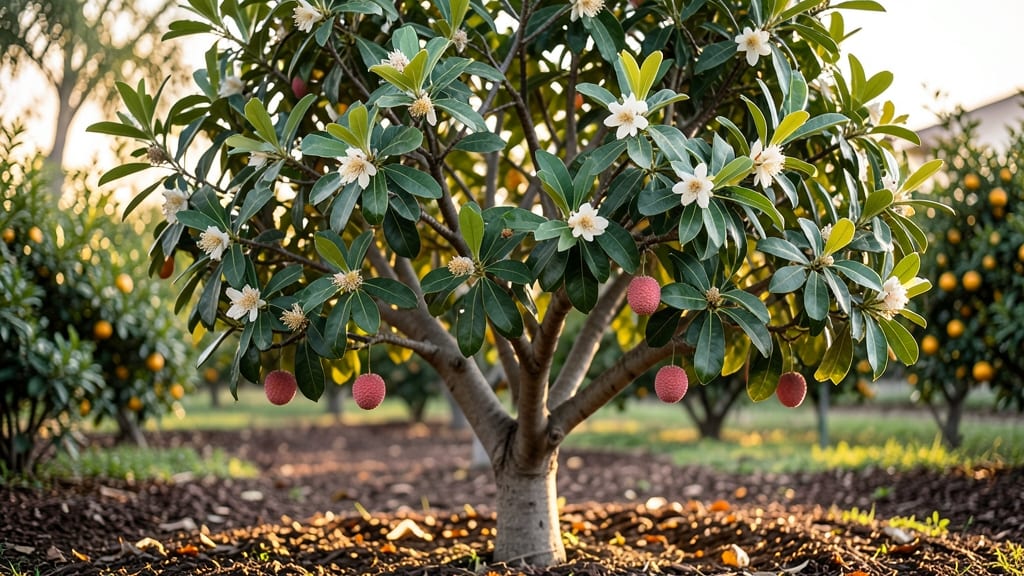
Mastering lychee tree cultivation in your backyard unlocks sweet, fragrant fruit with a texture like a cross between grape and raspberry—if you nail the tropical climate they crave. 🌿 The key isn't just heat; it's consistent humidity, the right soil, and patience, because these trees take 3-5 years to bear fruit but reward you with hundreds of pounds when they do.
Start with a 5-gallon container for young trees or dig a hole twice as wide as the root ball for outdoor planting. Lychees hate soggy roots but need deep watering weekly—think of it like giving a thirsty houseplant a long drink, not a quick splash.
Amend heavy clay soil with compost and perlite to mimic their native sandy loam, and keep them in full sun (6+ hours daily) or they'll stretch leggy and fruitless.
By year three, you'll see the real magic: clusters of pink blossoms that perfume the air, followed by those elusive fruits. The secret to success? Pruning in late winter to open the canopy for airflow (prevents fungal rot) and fertilizing with citrus-specific nutrients twice a year.
Even in cooler zones, a microclimate near a south-facing wall can work—just protect young trees from frost.
Common pitfalls? Overwatering (roots rot faster than you think) and impatience (those first few years are all about establishing roots).
But once established, a single tree can produce enough fruit for a family for a season—and the joy of cracking open a fresh lychee, sticky fingers and all, makes every challenge worth it.
📚 In This Guide
- What you need
- Instructions
- Tips and common mistakes
- Wrapping up and next steps
What you need
- ● Lychee saplings: 1-2 healthy, disease-free nursery-grown saplings (preferably grafted for better fruit quality).
- ● Well-draining soil: Mix of loamy topsoil (60%), compost (20%), and coarse sand/perlite (20%). pH 5.0–6.5 is ideal.
- ● Fertilizer: Balanced 10-10-10 fertilizer (for young trees).
- ● Citrus-specific 8-3-9 fertilizer (once bearing fruit).
- ● Organic options: Alfalfa meal or fish emulsion (for micronutrients).
- ● Mulch: 2–3 inches of wood chips or straw to retain moisture.
- ● Pruning tools: Sharp bypass pruners (for small branches).
- ● Loppers (for thicker branches, 1–2 inches in diameter).
- ○ Pruning saw (for large limbs, optional but handy).
- ● Support stakes: 2–3 3-foot bamboo or metal stakes + soft tree ties (for young trees).
- ● Drip irrigation system: Soaker hoses or micro-sprinklers (lychees hate soggy roots!).
- ● Pest control: Neem oil (organic insecticide).
- ● Horticultural oil (for scale/mites).
- ● Pollination aid: A small handheld electric pollinator (if bees are scarce).
- ● Shade cloth: 30–50% light-blocking fabric for young trees in hot climates.
- ● Soil test kit: To check nitrogen, phosphorus, potassium (NPK) levels annually.
- ● Tree guards: Wire mesh (to protect from rodents/deer).
- ● Growth regulator: Paclobutrazol (to control excessive growth in young trees).
Step-by-Step instructions for growing a thriving lychee tree
Here's the method I've used to coax lychees into fruiting—even in warmer climates where they thrive.
🌱 Step 1: Select and Prepare Your Planting Site
Lychees demand warmth, so choose a location with full sun exposure and protection from cold winds. The soil must drain exceptionally well—lychees drown in soggy conditions. I always test drainage by digging a hole, filling it with water, and checking if it drains within 1 hour. If not, amend with 1/3 sand or perlite to the native soil.
Lychees also need slightly acidic soil with a pH between 5.0 and 6.5. Test your soil and adjust with sulfur if needed. The tree's roots spread widely, so dig a hole twice as wide as the root ball but no deeper. This encourages roots to grow outward rather than downward, which is critical for stability and nutrient uptake.
🪴 Step 2: Plant Your Lychee Tree at the Right Time and Depth
Plant your lychee tree in late winter or early spring, when the threat of frost has passed but before summer heat arrives. The best time is when daytime temperatures consistently stay above 65°F. Handle the root ball gently—lychees are sensitive to root damage, which can delay fruiting for years.
Place the tree so the top of the root ball sits 1-2 inches above soil level. Backfill with native soil mixed with compost or well-rotted manure for nutrients. Water deeply to settle the soil and eliminate air pockets. You'll know you've done it right when water drains freely without pooling around the base.
☀️ Step 3: Provide Consistent Water and Fertilizer
Lychees need 1-2 inches of water weekly, but avoid wetting the leaves to prevent fungal diseases. Deep watering twice a week encourages strong root growth. The soil should feel moist 6 inches deep—if it's dry, it's time to water. Mulch with 2-3 inches of organic mulch to retain moisture and regulate soil temperature.
Fertilize lightly in early spring with a balanced, slow-release fertilizer (10-10-10 ratio). Avoid heavy nitrogen in later seasons—it promotes leafy growth at the expense of fruit. I switch to a low-nitrogen, high-potassium fertilizer (like 5-10-15) once flowers appear to support fruiting. Always water before and after fertilizing to prevent root burn.
✂️ Step 4: Prune for Shape and Fruit Production
Prune your lychee tree in late winter before new growth begins. Remove any dead, diseased, or crossing branches first. Then, thin the canopy to allow sunlight to penetrate to the center—lychees produce more fruit when branches receive even light. I aim for an open, vase-like shape with a strong central leader.
Never remove more than 25% of the canopy in one year, or you'll shock the tree. Watch for suckers growing from the base—these divert energy from fruiting. Remove them promptly but leave a few to replace the main trunk if needed. After pruning, apply a copper-based fungicide to any cuts to prevent infection.
🍈 Step 5: Encourage Pollination and Protect Developing Fruit
Lychees are self-pollinating, but wind and bees help. If your tree isn't producing, hand-pollinate by gently shaking branches on a warm, dry day to release pollen. Protect young fruit from birds and pests with fine netting once flowers drop. Lychees are also sensitive to ethylene gas, so avoid storing apples or other ethylene-producing fruits nearby.
Thin fruit when they're 1-2 inches in diameter, leaving 6-8 inches between each fruit. This ensures larger, sweeter lychees. You'll know you've thinned enough when the remaining fruit have space to expand without crowding. Reduce watering slightly during fruit development to concentrate sweetness—this is the moment that determines flavor.
Tips & tricks for perfect lychee tree cultivation
These essential insights will help you nurture a thriving lychee tree that actually bears fruit—no more waiting years for results.
Soil Preparation Secret: The 1-hour drainage test in Step 1 is non-negotiable. If water pools after an hour, your lychee tree will suffer from root rot. I've seen trees fail spectacularly because of soggy soil—don't make that mistake. For heavy clay soils, mix in 1/3 sand or perlite by volume to create that perfect airy texture roots love. The goal is to mimic the well-draining volcanic soils of their native habitat.
Planting Depth Matters: That 1-2 inch elevation above soil level in Step 2 isn't arbitrary—it's about preventing crown rot. When planting, use a level or board to check depth. If the root flare (where roots meet trunk) sits below soil level, you've planted too deep. This small detail makes all the difference between a struggling tree and one that thrives.
Fertilizer Timing Strategy: The switch to low-nitrogen, high-potassium fertilizer (5-10-15 ratio) in Step 3 is where flavor magic happens. Apply this only after flowers appear—before that, stick with the balanced 10-10-10. I've seen growers over-fertilize with nitrogen early in the season, resulting in lush foliage but no fruit. Think of it as training your tree to prioritize reproduction over growth.
Pruning Precision: That 25% canopy limit in Step 4 isn't a suggestion—it's a biological reality. Lychees are sensitive to stress, and removing more than a quarter of their leaves in one year can shock them into dormancy. When pruning, focus on creating an open center rather than just removing branches. This allows sunlight to reach all parts of the canopy, which is crucial for fruit development on inner branches.
Pro Tips for Lychee Tree Cultivation
- These essential insights will help you nurture a thriving lychee tree that actually bears fruit—no more waiting years for results.
- Soil Preparation Secret: The 1-hour drainage test in Step 1 is non-negotiable.
- Planting Depth Matters: That 1-2 inch elevation above soil level in Step 2 isn't arbitrary—it's about preventing crown rot.
Frequently asked questions
Got questions about growing your own lychee tree? You’re not alone—this tropical fruit can be tricky for beginners! Here are answers to the most common concerns to help you cultivate lychees like a pro.
What’s the best climate for growing a lychee tree?
Lychees thrive in warm, humid climates with temperatures between 60–90°F (15–32°C). They need full sun (6+ hours daily) and protection from frost. If you live in a cooler zone, grow them in containers and bring them indoors during winter.
How long does it take for a lychee tree to bear fruit?
Patience is key! A young lychee tree typically takes 3–5 years to produce fruit, but some dwarf varieties may fruit in 2–3 years. Ensure proper care—like regular watering, fertilizer, and pruning—to speed up the process.
Can I grow a lychee tree from a store-bought fruit?
While possible, it’s not recommended—store-bought lychees are often treated to prevent sprouting. For better success, buy a grafted sapling from a nursery. If you try seeds, expect a wild, non-fruiting tree that may take decades to produce fruit.
What pests or diseases should I watch for?
Common issues include:
- Scale insects (sticky residue on leaves)
- Anthracnose fungus (brown spots on fruit)
- Root rot (from overwatering)
Prevent problems with neem oil sprays, proper drainage, and pruning dead branches. Early detection is key!
Do lychee trees need pruning, and when?
Yes! Prune in late winter or early spring to:
- Remove dead/diseased branches
- Thin out crowded growth for airflow
- Shape the tree for better fruit access
Use sterilized tools and avoid heavy pruning—lychees produce fruit on new growth.
Wrapping up and next steps
Growing a lychee tree in your backyard is a rewarding journey that blends tropical beauty with delicious fruit—and you’re now equipped with the know-how to make it thrive! 🌱 From selecting the right variety to mastering pruning and troubleshooting common issues, every step brings you closer to harvesting sweet, fragrant lychees. Don’t wait for perfect conditions—start small, stay patient, and let your tree grow with love!
Your next step? Grab those pruning shears, mark your calendar for seasonal tasks, and watch your lychee tree flourish. Ready to dive deeper? Explore our lychee care guide for advanced tips or join a gardening community to share your progress! 🌟