
Pruning
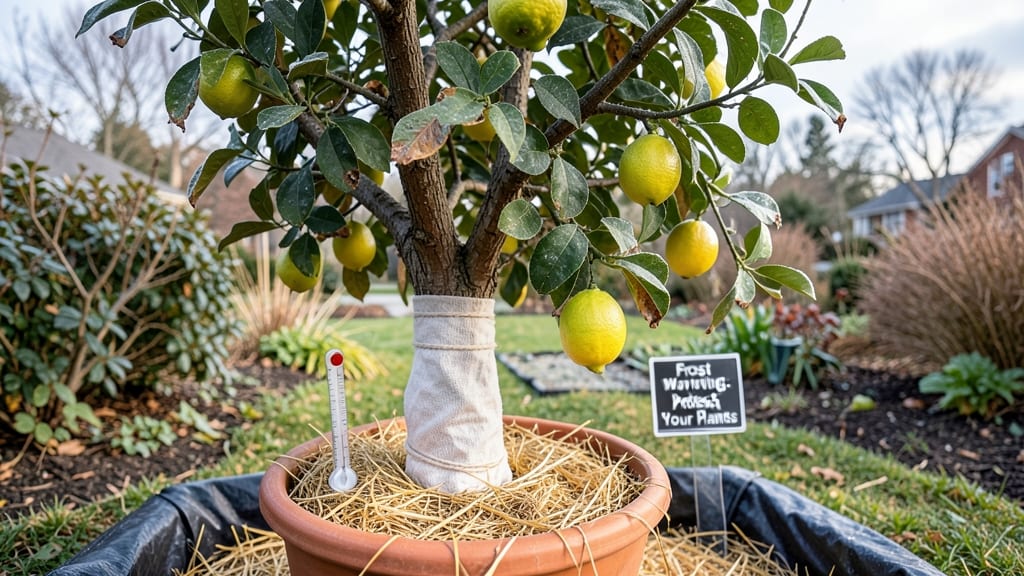
Surviving lemon tree low temperatures requires protection from frost, since temperatures below 28°F can harm leaves and fruit, while roots risk damage under 20°F. Use frost cloths, mulch, and indoor relocation to prevent cold stress during winter.
Cold weather impacts lemon trees by triggering cellular damage in leaves and fruit when temperatures drop too low. 🌱 The tree's natural defenses kick in around 32°F, but prolonged exposure below this threshold can cause irreversible harm.
I've seen firsthand how even a single frost event can stunt growth or cause fruit drop, especially in younger trees that haven't fully hardened off.
Mulching the base with straw or wood chips creates an insulating barrier, while frost cloths act like a lightweight blanket to trap warmth around the plant.
For extreme cold snaps, moving potted lemon trees indoors near a sunny window can make all the difference. The key is monitoring forecasts and acting before temperatures plummet. Even established trees benefit from these precautions—just remember to remove protective coverings during the day to allow sunlight and airflow.
💡 In This Article
- How Cold Affects Lemon Tree Growth and Fruit Production
- Step-by-Step Frost Protection for Lemon Trees in Cold Climates
How cold affects lemon tree growth and fruit production
Lemon trees are subtropical plants that naturally thrive in USDA Hardiness Zones 9-11, where winter temperatures rarely drop below 25°F. When exposed to colder conditions, their cellular structure begins to break down through a process called freeze-induced dehydration.
Ice crystals form within leaf cells, rupturing membranes and disrupting the flow of water and nutrients. This damage typically becomes visible as brown, crispy patches on leaves when temperatures fall below 28°F for more than a few hours.
The fruit suffers even more dramatically because citrus fruits contain high moisture content (about 85-90%), which expands when frozen. The resulting pressure ruptures cell walls, causing the fruit to become mushy and inedible.
I've observed that even brief dips to 30°F can trigger premature fruit drop, where the tree sacrifices developing lemons to conserve energy.
The roots, which extend deep into the soil, are particularly vulnerable—they can sustain damage when soil temperatures drop below 20°F, cutting off the tree's water and nutrient supply.
Cold stress also triggers a survival mechanism called dormancy, where the tree temporarily halts growth to conserve energy. While this helps the tree survive short-term cold snaps, repeated exposure to near-freezing temperatures can weaken the tree's overall health over time.
The bark may develop cracks, and new growth in spring often emerges stunted or deformed. In extreme cases, chronic cold damage can lead to dieback, where branches fail to regrow in subsequent seasons.
Hardiness zones provide a useful framework for understanding lemon tree resilience. Zone 9 trees can tolerate brief dips to 20°F with proper protection, while Zone 10 trees may struggle even at 28°F without intervention. The key difference lies in how quickly the tree can recover from cold stress.
Mature trees with established root systems bounce back better than young trees, which lack the energy reserves to recover from significant damage.
What most people don't realize is that the timing of cold exposure matters just as much as the temperature itself. A sudden freeze in late fall, before the tree has entered dormancy, is far more damaging than a gradual cold snap in winter.
The tree's natural defenses—like increased sugar production in leaves—take time to develop, which is why early winter protection is critical. Even a light frost at 32°F can cause superficial damage if it lingers for days, while a sharp drop to 25°F followed by a quick thaw may cause less harm.
Consider this comparison: A lemon tree in Zone 9a (20-25°F) with heavy mulching and frost cloths can survive winters with minimal damage, while an identical tree in Zone 8b (15-20°F) without protection will likely suffer significant dieback.
The difference comes down to how well you can buffer the tree from temperature swings—whether through insulation, windbreaks, or temporary relocation.