
Pruning
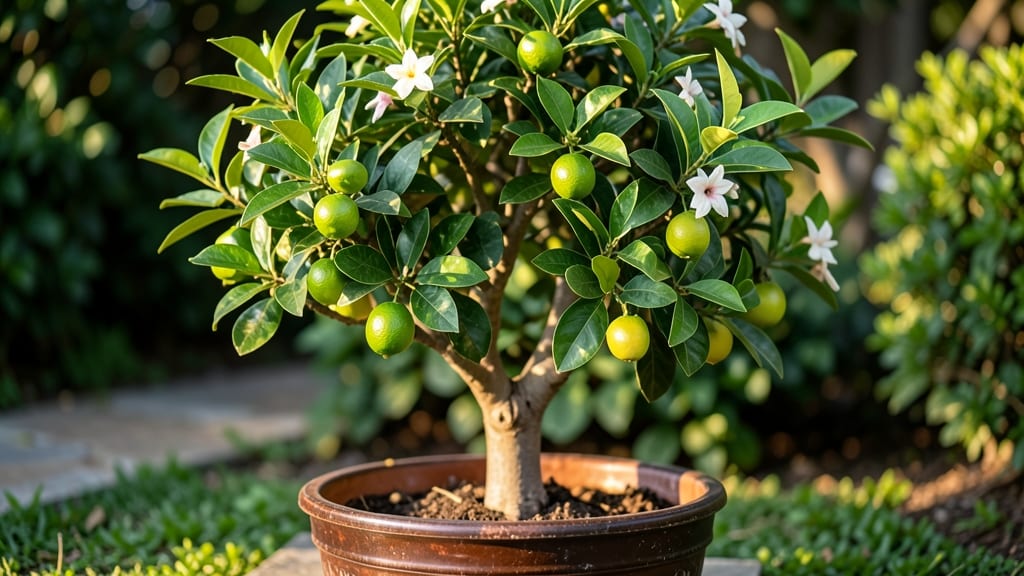
Growing a key lime tree in a pot means sunshine, tangy fruit, and a tropical vibe—even if you rent an apartment. 🌿 I've wrestled with these delicate citrus trees for years, and I finally cracked the code for keeping them happy in containers while still producing those tiny, zesty limes we all crave.
The secret isn't fancy equipment—it's matching the right pot size (at least 15 gallons for mature trees), well-draining soil, and full sun for 6+ hours daily. Too much water or shade, and you'll end up with yellow leaves and no fruit.
But get it right, and you'll be harvesting limes within 3-5 years of planting. Once established, these trees reward you with dozens of limes each season, perfect for homemade key lime pie or fresh juice. The fragrance alone—bright, citrusy, and impossible to resist—makes every pruning session worthwhile.
Works for patios, balconies, or sunny windowsills, though you'll need to bring potted trees indoors when temperatures dip below 35°F. Let's get yours thriving!
📚 In This Guide
- What you need
- Instructions
- Tips and common mistakes
- Wrapping up and next steps
What you need
- ● Pot: Minimum 12-inch diameter (deeper is better for root growth).
- ● Drainage holes are a must—no exceptions!
- ○ Fabric grow bag (optional but great for root aeration).
- ● Potting Mix: 1 part citrus-specific mix (or well-draining cactus/succulent blend).
- ● 1 part perlite or pumice (for drainage).
- ● 1 part compost or worm castings (for nutrients).
- ● Key Lime Tree: Dwarf or semi-dwarf grafted variety (e.g., Citrus aurantifolia ‘Mexican’ or ‘Florida’).
- ● Healthy, disease-free bare-root sapling or container-grown plant.
- ● Pruning Tools: Sharp bypass pruners (for clean cuts).
- ● Sterilized hand pruners (for smaller branches).
- ● Disinfectant (rubbing alcohol or 10% bleach solution).
- ○ Support (Optional but Helpful): Small tree stake or bamboo cane (for young trees).
- ● Trellis or wire cage (if growing as a bush).
- ● 🌡️ Temperature Check: Key limes thrive in 60–90°F—avoid frost! Use a heat mat in winter if needed.
- ● ✨ Sunlight Setup: Place your pot in full sun (6+ hours/day)—a south-facing window or grow light works indoors.
- ● 💧 Watering Prep: Keep soil consistently moist but not soggy—a self-watering pot can help!
Step-by-step guide to growing a thriving key lime tree in a pot
Here’s how to cultivate a sun-loving citrus tree that stays compact while delivering sweet, fragrant fruit year after year.
🪴 Step 1: Select the Right Container and Drainage System
Choose a 5-gallon or larger pot with drainage holes—key lime trees need room for root expansion but hate soggy feet. I prefer unglazed terra cotta because it breathes, helping prevent fungal issues. If using plastic, add a 2-inch layer of gravel at the bottom to improve drainage and aeration.
Place a mesh screen over the drainage holes to keep soil in while allowing excess water to escape. This prevents root circling, which stunts growth. For 4 plants, you’ll need at least 4 pots (one per tree) plus a 5-gallon nursery pot for initial planting. Avoid shallow containers—they dry out too fast and stress the tree.
☀️ Step 2: Prepare Well-Draining Soil and Plant
Fill the pot with a mix of 50% premium potting soil, 30% perlite, and 20% coarse sand to create a fast-draining medium. Key limes hate wet roots, so avoid garden soil—it compacts and suffocates roots. I like to add a slow-release citrus fertilizer (like Osmocote) at planting time for a nutrient boost.
Dig a hole twice as wide as the root ball but only as deep as the top of the root flare (where roots meet trunk). Gently remove the tree from its nursery pot, loosen any circling roots with your fingers, and place it in the hole. The top of the root ball should sit ½ inch below the pot rim—this prevents water from spilling over during irrigation.
💧 Step 3: Water Deeply and Establish a Routine
Water thoroughly until it drains freely from the bottom. Let the top 2 inches of soil dry out before watering again—overwatering is the #1 killer of potted citrus. I use a moisture meter to check; the needle should read 4-5 (dry) before the next watering. In summer, this might mean every 3-4 days; in winter, every 7-10 days.
After watering, let the tree sit in a shaded spot for 24 hours to help it settle. Then, move it to bright, indirect light (like a south-facing window) for 2-3 weeks to acclimate. Avoid harsh afternoon sun at first—it can scorch tender new leaves. Once established, 6+ hours of direct sun daily is ideal for fruiting.
✂️ Step 4: Prune and Fertilize for Compact Growth
Prune in late winter or early spring (before new growth) to shape the tree and encourage branching. Remove dead, crossing, or inward-growing branches first, then cut back overly long limbs by ⅓ to maintain a 4-5 foot height. I use sterilized pruning shears and seal cuts with pruning wax to prevent disease.
Feed monthly from March to October with a balanced citrus fertilizer (like 6-6-6 or 8-3-9). In November and February, switch to a low-nitrogen formula (like 3-1-2) to promote dormancy and root growth. Avoid high-nitrogen fertilizers in winter—they encourage leafy growth at the expense of fruit production.
🍋 Step 5: Harvest and Overwinter for Next Year’s Fruit
Key limes ripen in fall to winter (October–January). Pick them when they’re bright yellow-green and slightly soft to the touch. I harvest by twisting gently until the fruit separates from the stem—this avoids damaging the tree. Store unripe limes at room temperature to finish ripening; refrigerate once fully ripe to slow sugar breakdown.
Before winter, move pots to a cool but bright spot (like a garage with windows) where temps stay 45-55°F. Reduce watering to every 10-14 days and stop fertilizing. In March, resume normal care. This dormancy period ensures heavier fruiting the following year. If your tree drops leaves in winter, it’s normal—just keep the soil lightly moist and avoid cold drafts.
Tips & tricks for perfect key lime tree in pot
Here's what I learned from years of growing these sun-loving citrus trees without losing them to common mistakes.
Container Upgrade: While the instructions specify a 5-gallon pot, I recommend upgrading to a 7-10 gallon container as your tree matures. This extra space prevents root binding and allows for better nutrient storage, which directly impacts fruit production. The additional volume also helps maintain more consistent moisture levels during summer's frequent watering cycles.
Soil Mix Adjustment: The 50-30-20 mix of potting soil, perlite, and coarse sand works perfectly, but I've found adding 10% worm castings to the premium potting soil component boosts microbial activity. These beneficial organisms help break down nutrients more efficiently, giving your tree an extra energy boost for flowering and fruiting. The castings also improve soil structure over time.
Light Transition Strategy: When moving your tree from the shaded acclimation period to full sun, I recommend a gradual transition over 2-3 weeks rather than the suggested 2-3 weeks of indirect light. Start with 2 hours of morning sun, then increase by 1 hour each day. This gradual approach prevents sunburn on tender new leaves while still allowing the tree to develop the necessary chlorophyll for robust growth.
Winter Care Secret: During the winter dormancy period when temps stay between 45-55°F, I've found that misting the leaves occasionally helps prevent leaf drop. The humidity mimics natural tropical conditions and reduces stress on the tree. Just be sure to use distilled or rainwater—tap water can leave mineral deposits on the leaves that may cause issues over time.
Pro Tips for Key Lime Tree In Pot
- Here's what I learned from years of growing these sun-loving citrus trees without losing them to common mistakes.
- Container Upgrade: While the instructions specify a 5-gallon pot, I recommend upgrading to a 7-10 gallon container as...
- Soil Mix Adjustment: The 50-30-20 mix of potting soil, perlite, and coarse sand works perfectly, but I've found addin...
Frequently asked questions
Got questions about growing a key lime tree in a pot? You’re not alone! Here are some of the most common concerns—and their answers—to help you keep your citrus happy and thriving.
How big will a key lime tree grow in a pot?
Key lime trees stay compact in containers, typically reaching 6–10 feet tall with proper pruning. Their spread is usually 4–6 feet wide, but dwarf varieties (like ‘Meyer’ hybrids) can stay under 3–5 feet. Use a 15–25 gallon pot for mature trees to prevent root binding.
When is the best time to plant a key lime tree in a pot?
Plant in early spring (after last frost) for the best start. If repotting, do it in late winter or early spring before new growth begins. Avoid transplanting during extreme heat or cold—root shock is less likely in mild weather.
How much sunlight does a potted key lime tree need?
Key limes are sun-worshippers! Give them 6–8 hours of direct sunlight daily. In hot climates, morning sun + afternoon shade prevents leaf scorch. If indoors, place near a south-facing window or use grow lights for 12+ hours/day.
Why aren’t my key lime tree’s leaves turning yellow?
Yellow leaves usually signal overwatering, underwatering, or nutrient issues. Check the soil—it should be slightly moist but not soggy. If roots smell rotten, repot in fresh, well-draining citrus mix. Yellowing edges? It’s likely low humidity—mist leaves or use a pebble tray.
Can I grow a key lime tree indoors year-round?
Yes, but expect smaller fruit and slower growth. Keep temps between 60–85°F and boost humidity with a humidifier. Move the pot outside in warm months for better fruiting. Avoid drafts (like AC vents) and fertilize monthly with citrus-specific food.
Wrapping up and next steps
Growing a key lime tree in a pot is a rewarding journey that brings a touch of tropical charm to your space—even if you’re short on yard room!
With the right pruning techniques, sunlight, and care, you’ll enjoy fresh, fragrant limes year after year. 🌿✨ Whether you’re trimming for shape, health, or harvest, remember: patience and consistency are key.
Ready to take the next step? Start small: pick one branch to practice pruning, then gradually refine your skills. Before you know it, your key lime tree will thrive—and your kitchen will thank you for the zesty rewards! 🍋💚