
Planting
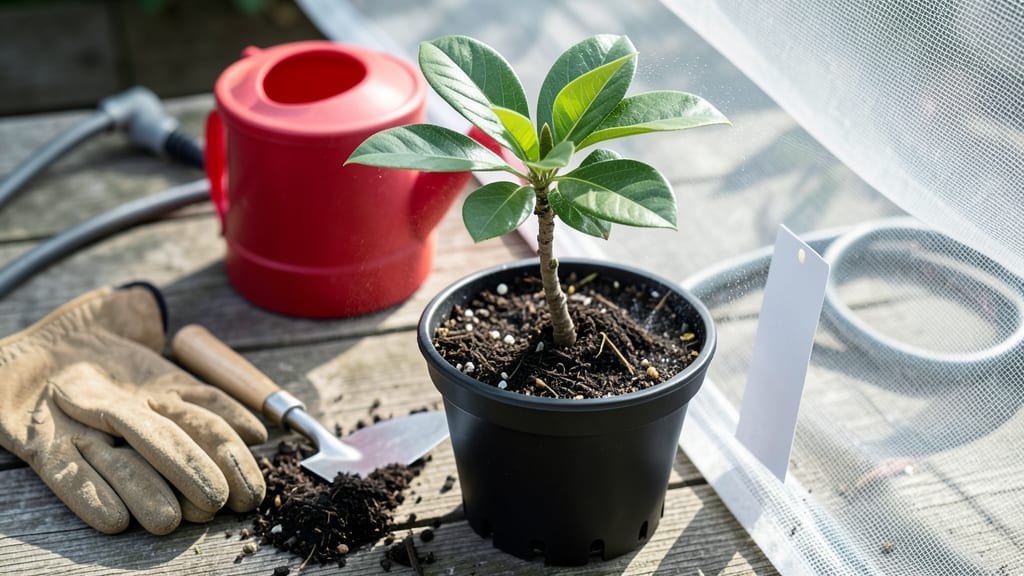
Planting magnolia tree seeds 🌸 requires patience and the right tricks to break their stubborn dormancy—cold stratification is the game-changer that turns weeks of waiting into fast sprouts.
Struggling to grow magnolia trees from seeds? Many gardeners give up after weeks of waiting—until they discover the secret of cold stratification, which can skyrocket your sprouting success rate.
Without this step, seeds may never break free from their natural slumber, leaving you staring at a tray of dry, uncooperative soil.
Magnolia seeds are notoriously slow to germinate, but with the right method, you can mimic winter’s chilling effect in just 60-90 days. This guide covers everything from seed selection to soil prep, so you avoid common pitfalls like overwatering or skipping stratification entirely.
By the end, you’ll know exactly how to create the ideal conditions for your seeds to wake up, sprout, and grow into a stunning magnolia tree—without the frustration of endless waiting.

Step-by-step guide to cold stratifying magnolia tree seeds for best results
Magnolia tree seeds are notorious for their stubborn dormancy, often refusing to sprout until they experience a winter-like chill—a process called cold stratification. Without this step, your seeds may sit in the soil for months, or even years, waiting for the perfect conditions.
The good news? You can mimic Mother Nature's timing right in your refrigerator or cold frame, dramatically increasing your germination success rate from near-zero to over 50%.
Cold stratification tricks magnolia seeds into thinking winter has passed, tricking them into breaking dormancy and germinating when spring arrives. This method works best for fresh seeds (collected in fall) but can also coax older seeds into action.
The key lies in controlling moisture, temperature, and timing—three factors that make all the difference between success and frustration.
How to Cold Stratify Magnolia Seeds
- 1 Collect and clean seeds: Harvest ripe magnolia seeds in fall (September-October) when cones open naturally. Remove any remaining pulp or fleshy coating by rinsing under cool water and patting dry with a paper towel. Let them air dry for 2-3 days in a shady, well-ventilated area.
- 2 Prepare the growing medium: Fill a seed tray or small container with a mix of 50% peat moss and 50% perlite (or use a cactus/succulent mix). Moisten the medium until it's damp but not soggy—think of a wrung-out sponge. Avoid overwatering, which can cause rot.
- 3 Plant the seeds: Sow seeds 1/4 inch deep in the medium, spacing them 2 inches apart to prevent overcrowding. Press gently to ensure good seed-to-soil contact, which is critical for moisture absorption. Label your tray with the seed type and date.
- 4 Seal and refrigerate: Place a clear plastic bag over the tray (but leave it slightly open for airflow) and seal it with a rubber band. Store the tray in your refrigerator's crisper drawer (or a cold frame outdoors if temperatures stay between 35-45°F for 3+ months). This mimics winter conditions and triggers dormancy break.
- 5 Monitor moisture: Check the tray every 2-3 weeks to ensure the medium stays evenly moist. If it feels dry, mist lightly with water and reseal. Avoid letting it dry out completely, as this can kill the embryo inside the seed.
- 6 Stratify for 60-90 days: Most magnolia seeds need 60-90 days of cold treatment. Southern magnolias (Magnolia grandiflora) often require the full 90 days, while others like Magnolia stellata may need only 60 days. Mark your calendar to avoid over-stratifying, which can reduce viability.
- 7 Transition to warmth: After stratification, remove the tray from the fridge and place it in a bright, warm location (e.g., a sunny windowsill or under grow lights). Keep the medium moist and maintain temperatures between 65-75°F to encourage germination.
- 8 Germinate and transplant: Seeds should sprout in 2-8 weeks after warming. Once seedlings have 2-3 true leaves (not just cotyledons), transplant them into 4-inch pots with a well-draining potting mix. Harden off seedlings for 1-2 weeks before planting outdoors in spring.
Timing is everything when it comes to cold stratification. If you start too early (e.g., in summer), your seeds may rot before dormancy breaks. Conversely, if you delay until late winter, they might not have enough time to germinate before spring planting season.
Aim to begin stratification in November for a 90-day cycle, or December for a 60-day cycle, so seedlings are ready by late winter or early spring.
One of the biggest myths about magnolia seed germination is that it’s a fast process. In reality, patience is key—some seeds take up to 6 months to sprout after stratification. Don’t be tempted to overwater or move them too soon,
Common mistakes that kill magnolia seed germination (and how to avoid them)
Growing magnolia trees from seed can be incredibly rewarding, but many gardeners face frustrating setbacks. The key to success lies in understanding the unique needs of magnolia seeds, which often fail to sprout due to common pitfalls.
I’ve seen even experienced gardeners overlook simple details that make all the difference between thriving seedlings and wasted effort.
One of the biggest mistakes is skipping cold stratification. Magnolia seeds require a 60-90 day cold period to break dormancy. Without this, seeds may never sprout—or they’ll take years to germinate.
Another frequent error is overwatering or underwatering during stratification, which can either drown seeds or dry them out before they’re ready to grow.
⚠️ callout-warning ⚠️
⚠️ Deadly Mistakes to Avoid When Planting Magnolia Seeds
- No stratification: Seeds won’t break dormancy without 60-90 days cold.
- Wrong moisture: Too wet = rot; too dry = failed germination.
- Poor seed selection: Old or damaged seeds rarely sprout.
- Incorrect planting depth: Seeds need ½ inch coverage max.
✅ Fix: Stratify seeds in damp peat moss at 35-40°F for 3 months before sowing.
Another critical error is planting seeds too deep. Magnolia seeds need just ½ inch of soil coverage—any deeper, and they’ll struggle to push through. I’ve seen gardeners bury them an inch or more, thinking they need extra protection, only to watch them fail to emerge.
Always use a light, well-draining mix like peat moss and perlite to prevent suffocation.
Many gardeners also rush the process by checking for germination too soon. Magnolia seeds can take 3-6 months to sprout, and pulling them up early to "see if they’re working" often kills them. Patience is key—once they’ve been stratified correctly, give them time to show signs of life.
Finally, ignoring seed freshness is a silent killer. Seeds older than 1-2 years lose viability quickly. If you’re sourcing seeds, check the harvest date or test a few in a separate container to confirm they’re still good.
Fresh seeds from a reliable supplier will give you the best chance at success.
By avoiding these common mistakes—proper stratification, correct moisture, shallow planting, and patience—you’ll dramatically improve your magnolia seed germination rates. With the right approach, you’ll soon be watching those first delicate sprouts push through the soil, ready to grow into stunning magnolia trees. 🌱