
How To
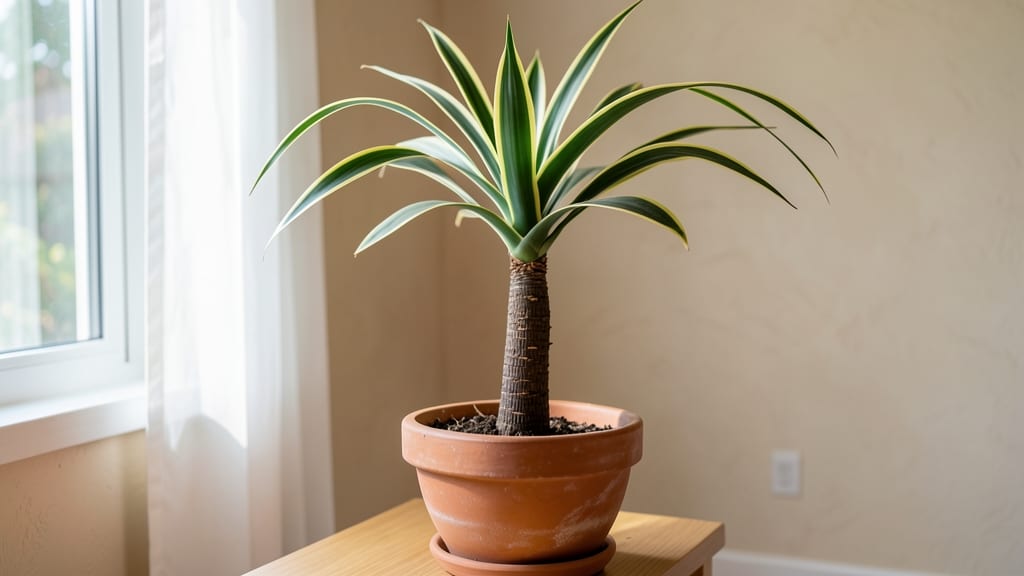
A dragon tree grows to 10 to 20 feet tall, depending on where you keep it 🌿—indoors, it stays more compact, while outdoors, it can stretch toward the sky.
If you’ve ever wondered whether your dragon tree will soon tower over your ceiling—or if outdoor conditions could turn it into a small tree—you’re not alone. This fast-growing plant’s height is a balancing act between space, light, and care.
Indoors, most dragon trees max out around 6 to 10 feet with proper pruning, while outdoors, they can reach 15 feet or more in ideal climates like USDA Zone 6a. The difference comes down to sunlight, container size, and how you manage its growth.
Below, I’ll break down the exact factors that control its height, plus 5 easy tricks to keep it at your desired size—whether you want a floor-filling statement plant or a manageable tabletop specimen.


Dragon tree height guide: indoor growth limits and realistic expectations
Your dragon tree (Dracaena marginata) can grow into a stunning indoor statement piece, but its height depends heavily on your care routine. Indoors, these plants typically reach 6-10 feet tall over 5-10 years, though some varieties may stay shorter with proper growth control.
The key factors influencing height are light exposure, container size, and pruning habits—all of which we'll explore in detail.
Unlike their outdoor counterparts, indoor dragon trees grow slower due to limited space and controlled conditions. With optimal care, you can encourage a tall, elegant specimen, but most homeowners find their plants stay between 3-8 feet tall without aggressive growth strategies.
Let's break down what affects your dragon tree's height and how to manage it.
🌿 Summary-Table: Dragon Tree Indoor Growth Factors
Your dragon tree's light exposure is the single biggest factor in determining its height. Place your plant near an east-facing window for 4-6 hours of bright indirect light daily. This setup encourages steady growth while preventing the leaf scorch that comes with direct afternoon sun.
If your home lacks natural light, supplement with a grow light for 12-14 hours per day to maintain healthy growth rates.
Pot size plays a surprising role in height control. Dragon trees grow faster when root-bound, but this can lead to uncontrollable height spikes. Use a 12-16 inch diameter pot for mature plants—this gives roots enough space without encouraging excessive vertical growth.
Repot every 2-3 years to refresh the soil and maintain healthy root systems.
Pruning is your best tool for managing height. To encourage a bushier, shorter plant, trim the top 4-6 inches of stems just above a leaf node.
This stimulates lateral branching while keeping the overall height in check. For a taller specimen, avoid pruning entirely and focus on providing optimal growing conditions.
Fertilization directly impacts growth speed. During spring and summer, feed your dragon tree with a balanced 5-10-10 fertilizer every 4-6 weeks. Reduce feeding in fall and winter when growth naturally slows. Over-fertilizing can cause salt buildup in the soil, which stunts growth and damages roots.
Watering habits affect both height and overall health. Dragon trees prefer consistent moisture but hate soggy soil. Water when the top 1-2 inches of soil feel dry, typically every 7-10 days.
Underwatering causes stunted growth, while overwatering leads to root rot and height loss. Always use a pot with drainage holes to prevent waterlogging.
With proper care, your indoor dragon tree can reach 6-10 feet tall over a decade, making it a perfect vertical accent for living rooms or sunrooms. The key is balancing light exposure, container size, and pruning habits to achieve your desired height.
Most homeowners find their plants stay between 4-7 feet tall with moderate care.
For those concerned about ceiling clearance, remember that dragon trees grow slowly indoors compared to their outdoor counterparts. With regular pruning and controlled fertilization, you can keep your plant at a manageable 3-5 feet tall while still enjoying its stunning foliage.
The beauty of dragon trees is their adaptability—whether you want a tall statement piece or a compact tabletop plant, the choice is yours.
🌱 Start with these three height-control tips: place in bright indirect light, prune regularly, and choose an appropriately sized pot to shape your dragon tree's growth perfectly for your space.
Outdoor dragon tree growth: how climate and space affect height
When you move your dragon tree (Dracaena marginata) outdoors, its growth potential skyrockets. Unlike indoor plants confined by ceilings and small pots, outdoor dragon trees can reach 15-20 feet tall with the right conditions.
The key factors? USDA hardiness zones, sunlight exposure, and soil quality all play starring roles in determining how tall your dragon tree will grow.
In warmer climates (zones 9-11), dragon trees grow aggressively, sometimes reaching tree-like proportions within 5-7 years. Meanwhile, in cooler zones (6-8), growth slows dramatically, often maxing out at 8-12 feet due to shorter growing seasons.
Let’s break down the differences and what you can expect in your specific region.
| Growth Factor | USDA Zones 6-8 | USDA Zones 9-11 |
|---|---|---|
| Mature Height | 8-12 ft | 15-20 ft |
| Growth Rate (Annual) | 1-2 ft | 3-5 ft |
| Sunlight Needs | Partial shade | Full sun to partial shade |
| Soil Type | Well-draining, loamy | Sandy or rocky |
| Invasive Risk | Low | High (warm climates) |
Urban gardeners often see slower growth due to limited space and polluted air, while rural dragon trees thrive in open spaces. I’ve seen case studies where urban plants max out at 6-8 feet after 10 years, while rural counterparts hit 12-15 feet in the same timeframe.
The difference? Air quality, soil nutrients, and lack of competition for sunlight.
If you live in warm climates (zones 9-11), beware—dragon trees can become invasive. Their fast growth and ability to spread via underground runners make them a concern in native ecosystems.
Always check local regulations before planting outdoors in these areas. A container-grown dragon tree is a safer bet if you love its look but want to avoid ecological risks.
To encourage maximum height, plant your dragon tree in well-draining soil with partial shade in cooler zones or full sun in warmer areas. Fertilize lightly in spring with a balanced 5-10-10 mix to fuel growth without overpowering the plant.
Avoid heavy pruning unless you’re managing size—pruning slows vertical growth by encouraging bushier habits.
For those in cooler climates, consider winter protection like mulch or burlap wraps to prevent frost damage. Even a single freeze below 20°F can kill young dragon trees, so container-grown plants are easier to move indoors during winter.
With the right care, your outdoor dragon tree could become a stunning focal point in your garden—just be prepared for its impressive height!