
Light Requirements
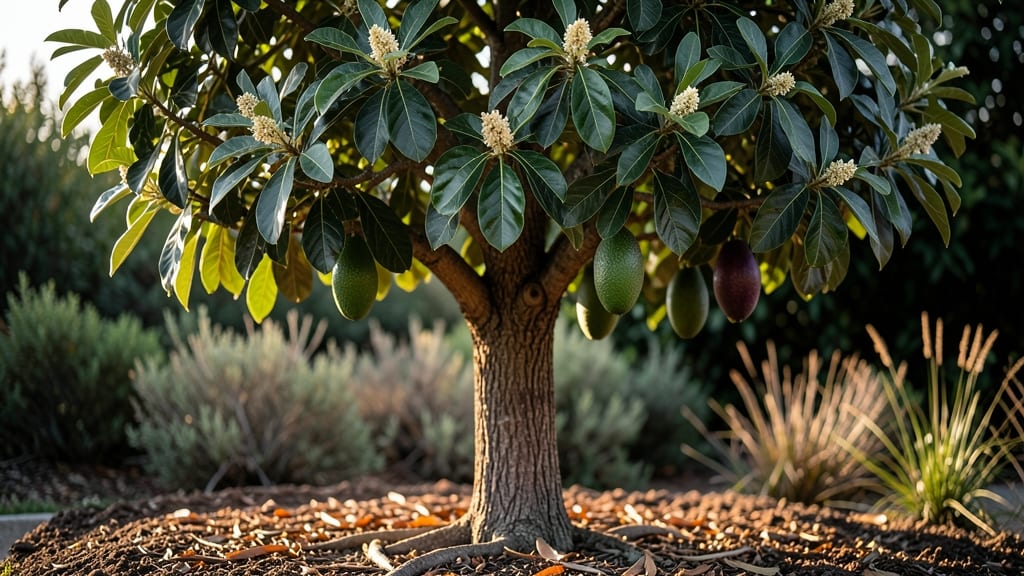
An avocado tree needs 6 to 8+ hours of sunlight daily to thrive, with mature trees craving even more—think full sun exposure for that lush, fruit-bearing growth you’re dreaming of 🥑.
Struggling to keep your avocado tree alive? The right amount of sunlight isn’t just about survival—it’s the secret to lush foliage, abundant fruit, and long-term growth. But how much is too much or too little?
Too little sun and you’ll see weak, leggy stems and sparse leaves. Too much, and those leaves will crisp up like toast. The balance shifts as your tree grows, from delicate seedlings to towering fruit producers.
Below, I’ll walk you through the exact sunlight needs for each stage—plus how to tweak care based on your climate, whether you’re growing indoors or out. No more guesswork, just thriving trees!


Avocado tree sunlight requirements by growth stage: seedling to mature tree
Avocado trees are sun lovers, but their light needs change dramatically as they grow. A seedling in a sunny windowsill has completely different requirements than a mature 20-foot tree in your backyard.
Understanding these shifts is key to avoiding leaf scorch or stunted growth. Let’s explore how much sunlight avocado trees need at each stage, including special considerations for indoor cultivation and seasonal adjustments.
Most gardeners assume avocado trees thrive in full sun year-round, but this isn’t always true. In hot climates like California or Arizona, afternoon shade becomes crucial to prevent heat stress.
Meanwhile, in cooler regions like USDA Zone 7 or below, even mature trees may need protection from harsh midday rays. The trick is balancing direct sunlight with temperature moderation—a lesson I learned the hard way when my first avocado tree’s leaves turned crispy under relentless summer sun.
⚠️ NON-NEGOTIABLE: The summary-table below breaks down sunlight needs by growth stage, including indoor vs. outdoor adjustments and seasonal tweaks. Bookmark this for quick reference when adjusting your tree’s placement!
| Growth Stage | Sunlight Needs (Daily) | Indoor Adjustments | Seasonal Notes |
|---|---|---|---|
| Seedling (0-1 year) | 6+ hours of bright indirect light | South-facing window or grow lights 12+ hrs/day | Avoid direct midday sun; rotate pot weekly |
| Young Tree (1-3 years) | 6-8 hours of direct sunlight | Outdoor only; use shade cloth 30-50% in peak sun | Morning sun preferred in hot climates |
| Mature Tree (3+ years) | 8+ hours of full sun (6+ for fruiting) | Not recommended indoors; requires outdoor space | Afternoon shade in Zone 9+ to prevent leaf burn |
| All Stages (Winter) | 5-6 hours of direct sunlight (reduce intensity) | Move indoors near sunniest window if temps drop below 50°F | Increase humidity with pebble trays to offset dry air |
For seedlings, I recommend starting with 6+ hours of bright indirect light—think of it as the "training wheels" phase. Place your young avocado near a south-facing window or under LED grow lights for 12+ hours daily.
If you notice yellowing leaves, it’s a sign of insufficient light, while brown crispy edges mean too much direct sun. Rotate the pot weekly to ensure even growth, as seedlings naturally lean toward the light source.
When your avocado transitions to a young tree (1-3 years), it’s time to graduate to 6-8 hours of direct sunlight. This is the stage where most gardeners make mistakes—either by keeping it indoors too long or exposing it to harsh afternoon sun.
In my experience, morning sun with afternoon shade works best in hot climates. Use a 30-50% shade cloth if your tree starts showing signs of leaf scorch (brown patches on leaf edges).
Once your avocado reaches maturity (3+ years), it demands 8+ hours of full sun daily to produce fruit. This is non-negotiable for fruit-bearing success.
Mature trees in USDA Zone 9 or hotter may need afternoon shade to prevent heat stress, but never less than 6 hours of direct light. If you’re growing in a cooler climate (Zone 7 or below), choose a south-facing wall for winter sun exposure to maximize warmth.
Seasonal adjustments are critical, especially in winter months when daylight shrinks. Even mature trees need only 5-6 hours of direct sunlight during winter, but intensity matters more than duration. If temperatures dip below 50°F, move potted trees indoors near the sunniest window or supplement with grow lights.
Increase humidity with pebble trays or a humidifier to combat dry indoor air, which can cause leaf drop.
Pro tip: Monitor your tree’s leaf color and growth rate to fine-tune sunlight exposure. Dark green, glossy leaves indicate ideal conditions, while pale yellow leaves signal insufficient light. Meanwhile, bronze or crispy leaves mean it’s getting too much sun.
Adjust gradually—sudden changes can shock the tree. For example, if you move a mature tree from partial shade to full sun, do it over 2-3 weeks to acclimate.
One common misconception is that avocado trees can thrive in low-light conditions. While they’re more tolerant than many tropical plants, reduced sunlight leads to weak stems and poor fruiting. I’ve seen avocado trees in north-facing windows grow leggy and sparse—don’t make this mistake! Invest in a light meter or
Signs your avocado tree isn’t getting enough (or too much) sunlight
Your avocado tree might be silently screaming for help if its leaves look pale or crispy. Sunlight stress is one of the most common issues, yet it’s often misdiagnosed. Too little sun leads to weak, leggy growth, while too much causes leaf scorch and stunted fruit production.
Let’s decode these signs so you can give your tree the perfect balance.
Start by checking the leaf color. Healthy avocado leaves are a deep, glossy green. If they’re turning yellow or pale, your tree isn’t getting enough direct sunlight.
This is especially true for young seedlings, which need at least 6 hours of sun daily to thrive. Yellowing often starts on older leaves and spreads upward.
On the flip side, brown or crispy edges on leaves mean your tree is getting too much sun, particularly during hot afternoons. This leaf scorch appears as dry, brittle patches along the leaf margins.
If ignored, the damage spreads, causing the leaves to curl or drop prematurely. Even mature trees can suffer if exposed to intense afternoon heat without relief.
⚠️ 🌱 callout-warning ⚠️ How Much Sunlight Does an Avocado Tree Need? Avocado trees thrive with full sun exposure (6-8+ hours/day), but their needs shift by growth stage: - Seedlings: 6+ hours (gentle morning sun) - Young Trees: 6-8 hours (partial afternoon shade in hot climates) - Mature Trees: 8+ hours (full sun, but protect from extreme heat) Warning: Too little sun = weak growth; too much = leaf burn.
Adjust with shade cloth or relocation if needed. 🌿
Weak or stunted branches are another red flag. If your avocado tree’s growth is slow or its stems are thin and rubbery, it’s likely light-deprived. This happens when trees stretch toward light sources, creating long, spindly limbs.
Prune these over-extended branches to encourage bushier, stronger growth, but first, ensure the tree gets its required sunlight hours.
For indoor avocado trees, watch for weak stems and small, pale leaves. These trees often suffer from insufficient light near north-facing windows. Move your tree to a south-facing window or supplement with a grow light (12-14 hours/day) to mimic outdoor conditions.
Without enough light, indoor trees may never produce fruit.
To fix sunlight issues, start by relocating your tree to a sunnier spot if it’s underperforming. If moving isn’t an option, use a lightweight shade cloth (30-50% block) to filter harsh afternoon rays.
For indoor trees, rotate the pot quarter-turns weekly to ensure even growth. Finally, prune damaged leaves to redirect energy to healthier parts of the tree.
With the right adjustments, your avocado tree will bounce back in 4-6 weeks. Keep an eye on its leaves—they’re the first to show whether you’ve nailed the sunlight balance. A happy avocado tree rewards you with lush foliage and eventually, juicy fruit! 🥑