
Pruning
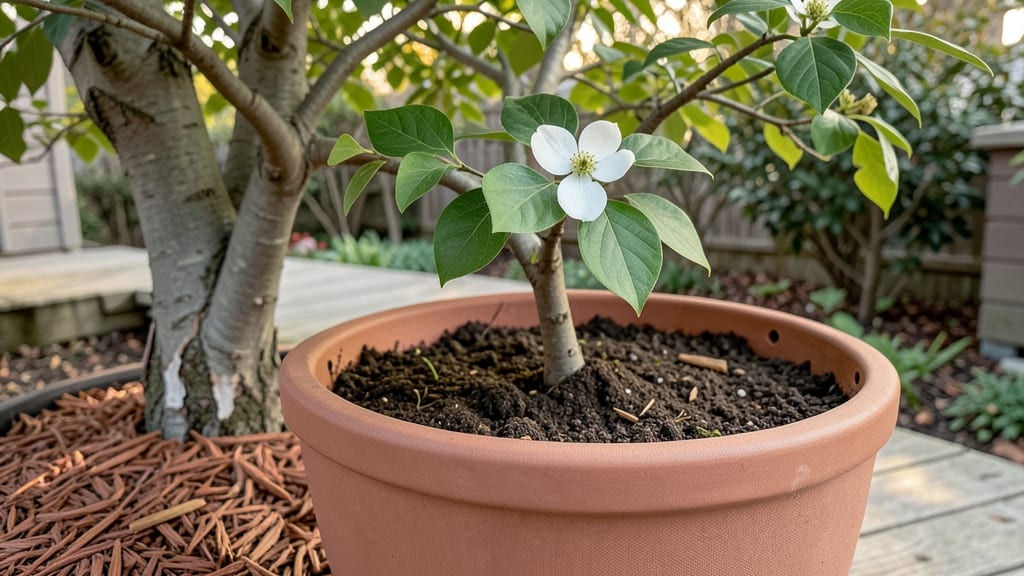
Growing a dogwood tree in a pot transforms your patio into a seasonal showpiece with minimal space. 🌿 The right variety—like Cornus florida ‘Cherokee Brave’ or Cornus kousa ‘Milky Way’—thrives in containers, offering stunning blooms and glossy foliage without taking over your yard.
I’ve grown mine for three years now, and the key is matching the tree’s needs to your container setup from day one.
Start with a 15-20 gallon container (at least 18 inches deep) to prevent root binding, and always use pots with drainage holes—dogwoods hate soggy roots. A well-draining soil mix (equal parts potting soil, perlite, and compost) keeps them happy, while a slow-release fertilizer in spring kickstarts growth.
Place your pot where it gets morning sun and afternoon shade, mimicking their natural woodland habitat.
Water when the top inch of soil feels dry, but never let it stay soggy—this is where most potted dogwoods fail. Prune lightly after flowering to shape the tree, and in winter, wrap the pot in burlap or move it to a sheltered spot to protect roots from freezing.
With these basics, you’ll enjoy blooms for years without the commitment of planting in the ground.
Watch for scale insects (wipe leaves with soapy water if you spot them) and root-bound roots (repot every 2-3 years). The payoff? A tree that stays compact, blooms reliably, and becomes the star of your outdoor space—no yard required. Ready to give it a try?
📚 In This Guide
- What you need
- Instructions
- Tips and common mistakes
- Wrapping up and next steps
What you need
- ● Pot: 1 large container (18–24" diameter) with drainage holes. Pro tip: Terracotta or fabric pots work best! 🌡️
- ● Dogwood tree: 1 young Cornus florida or Cornus kousa (dwarf varieties like 'Cherokee Brave' are ideal!).
- ● Potting mix: 3–4 gallons of well-draining soil blend (50% potting soil, 30% perlite, 20% compost).
- ● Drainage material: 1–2 inches of gravel or expanded clay pebbles.
- ● Fertilizer: 1 slow-release, acid-loving plant fertilizer (e.g., 10-10-10 or rhododendron mix).
- ● Pruning tools: 1 pair of bypass pruners (for clean cuts).
- ● 1 sterilizing solution (rubbing alcohol or bleach/water mix).
- ● 1 moisture meter (to track soil hydration).
- ● 1 mulch (2–3 inches of pine bark or shredded leaves).
- ● 1 plant support stake (for young trees).
- ● 1 spray bottle (for misting leaves in dry climates).
Step-by-step guide to growing a dogwood tree in a pot
Here's how to keep a stunning dogwood thriving in containers—perfect for patios or small yards.
🪴 Step 1: Choose the Right Container and Soil Mix
Pick a large pot with drainage holes—at least 18 inches wide and deep for mature growth. Dogwoods need room for roots to spread. I use unglazed ceramic because it breathes better than plastic, preventing root rot. Fill the bottom 3 inches with gravel or broken pottery for extra drainage.
Next, mix equal parts premium potting soil, perlite, and compost. Dogwoods prefer slightly acidic soil (pH 5.5-6.5). If your mix isn’t acidic, add 1 tablespoon of sulfur per gallon to adjust. Moisten the soil until damp but not soggy—you should see moisture beads but no puddles.
🌱 Step 2: Plant Your Dogwood with Care
Dig a hole twice as wide as the root ball but only as deep as the container’s base. Gently remove the tree from its nursery pot and loosen the roots if they’re circling. Place it in the hole so the top of the root ball sits 1 inch below the pot’s rim—this prevents water pooling at the base.
Backfill with your soil mix, pressing lightly to remove air pockets. Water deeply until it drains from the bottom, then let it sit for 10 minutes before adding mulch. Spread 2 inches of pine bark mulch around the base, keeping it 2 inches away from the trunk to prevent rot.
☀️ Step 3: Position for Light and Water Wisely
Dogwoods love morning sun and afternoon shade—think 4-6 hours of direct light daily. A spot under a dappled tree canopy works well, or place the pot where it gets bright, indirect light most of the day. Avoid harsh afternoon sun, which can scorch leaves.
Water deeply every 5-7 days, checking the soil 2 inches down—if it’s dry, it’s time to water. In summer, you may need weekly watering, but never let the pot sit in standing water. Yellowing leaves? You’re overwatering. Crispy edges? It’s thirsty.
✂️ Step 4: Prune and Fertilize for Healthy Growth
Prune in late winter or early spring before new growth starts. Remove dead, crossing, or weak branches first, then shape the tree by cutting back overly long branches by ⅓. Use clean, sharp shears to avoid tearing bark. Dogwoods bloom on old wood, so avoid heavy pruning after flowering.
Feed with a balanced, slow-release fertilizer (10-10-10) in early spring and midsummer. Follow package instructions—over-fertilizing burns roots. I also add 1 tablespoon of Epsom salt to the soil in spring for a magnesium boost, which keeps leaves vibrant.
🌿 Step 5: Overwinter Your Potted Dogwood
Before frost, move the pot to a sheltered spot like a garage or under an eave. Wrap the root ball in burlap and cover the top with a thick blanket to insulate roots. Check monthly for moisture—water lightly if the soil feels dry. Avoid heavy watering in winter, as cold roots can’t absorb much.
In early spring, uncover the tree gradually over 2-3 weeks to harden it off. Prune any dead branches from winter, then resume regular care. With proper winter prep, your dogwood will bounce back stronger and bloom beautifully next season.
Tips & tricks for perfect container-grown dogwoods
These simple strategies will help your potted dogwood thrive for years—no green thumb required.
Container Size Matters: That 18-inch pot is non-negotiable for mature growth, but if you're starting with a smaller tree, you can begin with a 12-inch pot and upgrade in 2-3 years. The key is giving roots room to spread horizontally—dogwoods hate being root-bound. I've seen container-grown dogwoods thrive in 20-inch pots too, especially if you're planning to keep them smaller through regular pruning. The 3-inch gravel layer at the bottom isn't just for drainage—it also creates air pockets that prevent the dreaded root rot that plagues many potted trees.
Soil Science: The equal parts potting soil, perlite, and compost mix is your secret weapon for happy roots. Here's what I've learned: if your local potting soil is heavy or clay-like, add an extra 20% perlite to improve aeration. And that pH 5.5-6.5 range? Test your mix with a simple soil pH kit—if it's above 7, the sulfur adjustment will make all the difference. Pro tip: mix in a handful of worm castings with the compost for extra nutrients without overloading the soil.
Watering Wisdom: Those 5-7 day intervals can be tricky—especially when summer hits. I've found that sticking your finger 2 inches down into the soil is more reliable than guessing. For extra insurance, use a moisture meter in your pot for the first month to train your eye. And here's what nobody tells you: dogwoods actually prefer slightly drier conditions than most potted plants. Let the top inch dry out between waterings, and you'll avoid the yellowing leaves that signal overwatering.
Winter Survival Hacks: The gradual 2-3 week uncovering in spring is crucial—think of it like sunbathing after a long winter. Start by moving the pot to a sheltered spot with some morning sun, then slowly increase exposure. And that thick blanket? Use an old quilt or even a heavy-duty trash bag in a pinch. I've kept dogwoods through -10°F winters with this method, though most varieties handle down to about 0°F with proper protection. The monthly moisture check is key—cold roots can't absorb water well, so just keep the soil barely damp.
Pro Tips for Dogwood Tree In Pot
- These simple strategies will help your potted dogwood thrive for years—no green thumb required.
- Container Size Matters: That 18-inch pot is non-negotiable for mature growth, but if you're starting with a smaller t...
- Soil Science: The equal parts potting soil, perlite, and compost mix is your secret weapon for happy roots. Here's wh...
Frequently asked questions
Got questions about growing a dogwood tree in a pot?
You’re not alone! Here are answers to the most common queries to help you nurture your compact beauty with confidence.
Can a dogwood tree thrive long-term in a pot?
Yes, but with care! Dogwoods can live in containers for years if you repot every 2–3 years into a slightly larger pot (1–2 inches wider). Use well-draining soil and ensure the pot has drainage holes. However, they may eventually outgrow even large pots—plan for eventual transplanting to the ground if desired.
When is the best time to plant a dogwood in a pot?
Spring or early fall is ideal! Planting in spring (after the last frost) gives roots time to establish before summer heat, while fall (6–8 weeks before frost) allows roots to settle before winter dormancy. Avoid planting in extreme heat or cold—root shock is a real risk!
What’s the smallest pot size for a dogwood tree?
Start with a pot at least 12–15 inches in diameter for young dogwoods (1–2 feet tall). Mature trees (5+ feet) need 20+ inches of space. Remember: Bigger pots = slower growth but deeper roots. Use lightweight containers to avoid tipping in wind.
How often should I water a potted dogwood?
Water when the top 1–2 inches of soil feel dry (test with your finger!). In summer, this may mean every 2–3 days; in winter, reduce to once a week (unless potted in a cold, dry spot). Overwatering is worse than underwatering—ensure excess water drains freely to prevent root rot.
Why is my potted dogwood dropping leaves?
Leaf drop usually signals stress from over/underwatering, root-bound conditions, or transplant shock. Check the soil moisture and pot size first. If roots circle the pot, repot into fresh soil. Yellow leaves? Likely overwatering. Brown, crispy leaves? Probably underwatering or sunburn. Adjust care and monitor for improvement!
Wrapping up and next steps
Growing a dogwood tree in a pot is a rewarding way to enjoy its stunning blooms and lush foliage—even in small spaces! With the right container, soil, and care, you can nurture a thriving mini dogwood that brightens up patios, balconies, or cozy corners.
The key is balancing pruning, drainage, and seasonal adjustments to keep your tree healthy and vibrant.
Ready to watch your dogwood flourish? Start by picking your favorite variety and planting it today—your future blooms will thank you! 🌸 For extra tips, check out our pruning guide or tag us in your potted paradise photos. Happy gardening! 🌱