
Light Requirements
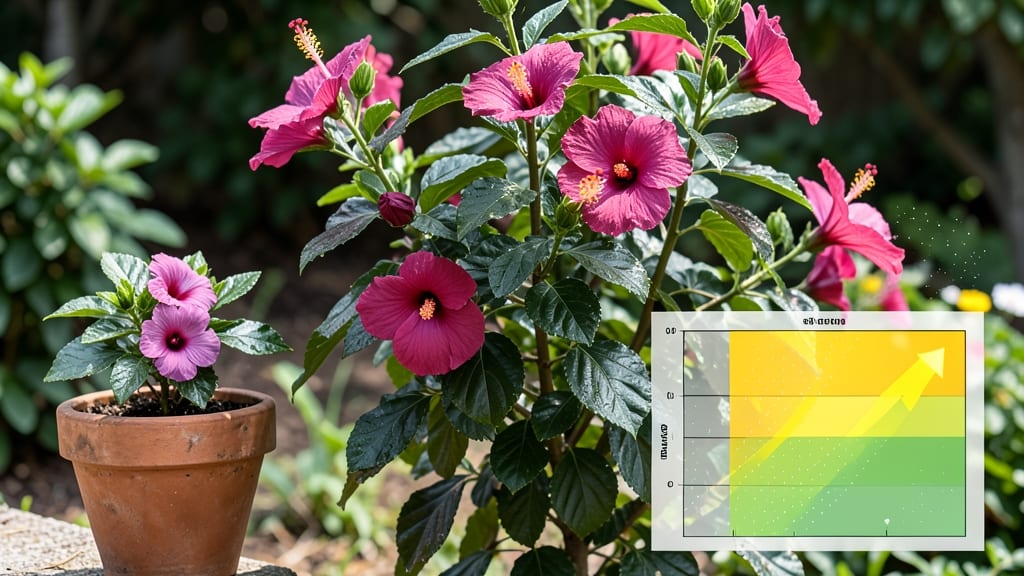
A hibiscus tree needs full sun to thrive and produce stunning blooms 🌺, but it can adapt to partial shade with the right adjustments.
Struggling to keep your hibiscus tree blooming? Sunlight needs might be the hidden factor — this hardy plant thrives in full sun but can adapt surprisingly well to partial shade with the right care.
While tropical varieties demand 6+ hours of direct sunlight daily for vibrant flowers, hardier types like Hibiscus syriacus tolerate morning sun and afternoon shade in warmer climates.
Below, I’ll break down how much sun your hibiscus truly needs, how to spot sunlight stress, and proven tricks to maximize blooms—whether you’re growing it in a sunny border or a shady corner.

Hibiscus tree sunlight requirements: full sun vs partial shade breakdown
If you're wondering does a hibiscus tree need full sun, the answer is a resounding yes—but with some fascinating exceptions. These tropical beauties thrive in 6+ hours of direct sunlight daily, producing those iconic vibrant blooms we all love.
However, hardy hibiscus varieties can tolerate partial shade surprisingly well, especially in hot climates where afternoon sun becomes intense.
The key lies in understanding your hibiscus's native growing conditions. Tropical hibiscus (like Hibiscus rosa-sinensis) demand full sun, while hardy varieties (such as Hibiscus syriacus) adapt better to morning sun with afternoon shade.
Without proper light, you'll notice fewer blooms and leggy growth—so let's break down the science behind these sunlight needs.
Here's where things get interesting: partial shade tolerance varies by variety. Some hibiscus can handle just 4 hours of direct sun daily, while others wilt without at least 6 hours.
The difference often comes down to leaf size and chlorophyll efficiency. Smaller-leaved varieties need less light to photosynthesize effectively.
| Hibiscus Type | Sunlight Needs | Partial Shade Tolerance | Bloom Impact | Growth Habit |
|---|---|---|---|---|
| Tropical Hibiscus (H. rosa-sinensis) | full sun | Poor (<4 hrs sun = fewer blooms) | Vibrant, frequent with full sun | Compact, bushy |
| Hardy Hibiscus (H. syriacus) | (morning sun preferred) | Moderate (4-5 hrs sun acceptable) | Moderate blooms with partial shade | Taller, more upright |
| Dwarf Varieties (e.g., 'Pride of Hoboken') | (container-friendly) | Good (3-4 hrs sun works in pots) | Smaller but frequent blooms | Compact, ideal for patios |
| Swamp Hibiscus (H. moscheutos) | (needs moist soil) | None (full sun required) | Massive single blooms | Tall, dramatic foliage |
*Note: All varieties benefit from morning sun and afternoon shade in hot climates (Zones 8+)
The science behind hibiscus sunlight needs reveals that these plants use C3 photosynthesis, which means they need abundant light to produce energy efficiently. In low-light conditions, hibiscus plants redirect energy toward leaf growth rather than flower production, resulting in that leggy, sparse-blooming look many gardeners struggle with.
For container-grown hibiscus, the sunlight equation changes slightly. Pots dry out faster, so morning sun with afternoon shade helps prevent root stress. I've found that placing containers on east-facing patios gives them the perfect balance—enough light for blooms but protection from harsh afternoon rays that can scorch leaves.
One common misconception is that any shade is better than too much sun. While hibiscus can handle full sun, intense afternoon sun in hot climates (like USDA Zone 9+) can actually reduce blooming by stressing the plant.
This is why many Southern gardeners use lightweight shade cloth (30-50%) during peak summer hours.
When considering partial shade options, focus on the quality of light rather than just hours. Dappled shade from nearby trees works better than dense shade from buildings.
I've successfully grown hibiscus under oak trees where they receive filtered light all day, though the blooms are noticeably fewer than their full-sun counterparts.
The regional differences in hibiscus sunlight needs are striking. In cooler climates (Zones 5-7), hibiscus can handle more direct sun because the intensity is lower. However, in hot, humid zones (8-11), even 6 hours of full sun can be too much without afternoon relief.
This regional adaptability is why hibiscus remains such a versatile landscape plant.
For new hibiscus growers, my top recommendation is to start with at least 6 hours of morning sun and gradually introduce more light if you notice pale leaves or slow growth.
Remember that hibiscus are light-hungry plants—they'll always reward you with more blooms when given their preferred conditions. The key is finding that sweet spot between enough light for blooms and protection from stress.
How to grow hibiscus in partial shade: proven techniques for lush blooms
While hibiscus trees love full sun, they can thrive in partial shade with proper adjustments. The key lies in understanding your local climate and plant variety—tropical hibiscus needs more light than hardy varieties like Hibiscus syriacus. With the right techniques, you'll coax stunning blooms even in shadier spots.
Start by selecting the right hibiscus variety for your shade conditions. Hardy hibiscus (like Rose of Sharon) handles 4-6 hours of sun better than tropical types. Amend your garden soil with compost to improve nutrient uptake, which becomes critical when sunlight is limited.
⚠️ Does hibiscus tree need full sun?
Not always! While 6+ hours of sun is ideal, hibiscus can adapt to partial shade (3-5 hours) with these adjustments:
- Prune strategically to open up foliage for better light penetration
- Use reflective surfaces (like white walls) to bounce light onto leaves
- Fertilize with high-phosphorus (like 10-20-10) to boost flowering
Adjust your watering schedule when growing hibiscus in shade—soil stays moist longer. Water deeply every 3-5 days rather than frequent shallow watering. Mulch with organic matter to retain moisture and cool roots, which is especially important in hot afternoons when shade prevents overheating.
Pruning plays a crucial role in shade-grown hibiscus. In late winter, cut back 1/3 of old growth to encourage new, more light-catching branches. During the growing season, remove crossing branches and dead wood to improve air circulation and light exposure to inner foliage.
Consider seasonal adjustments—hibiscus in partial shade benefits from winter protection in colder zones. Wrap the base with burlap and add a light mulch layer (2-3 inches) before the first frost. In spring, remove mulch gradually to avoid shocking roots as temperatures rise.
For container-grown hibiscus, choose larger pots (15+ gallons) to accommodate root growth in limited light. Use well-draining potting mix with added perlite and repot every 2-3 years to refresh nutrients. Place containers where they get morning sun and afternoon shade for best results.