
Pruning
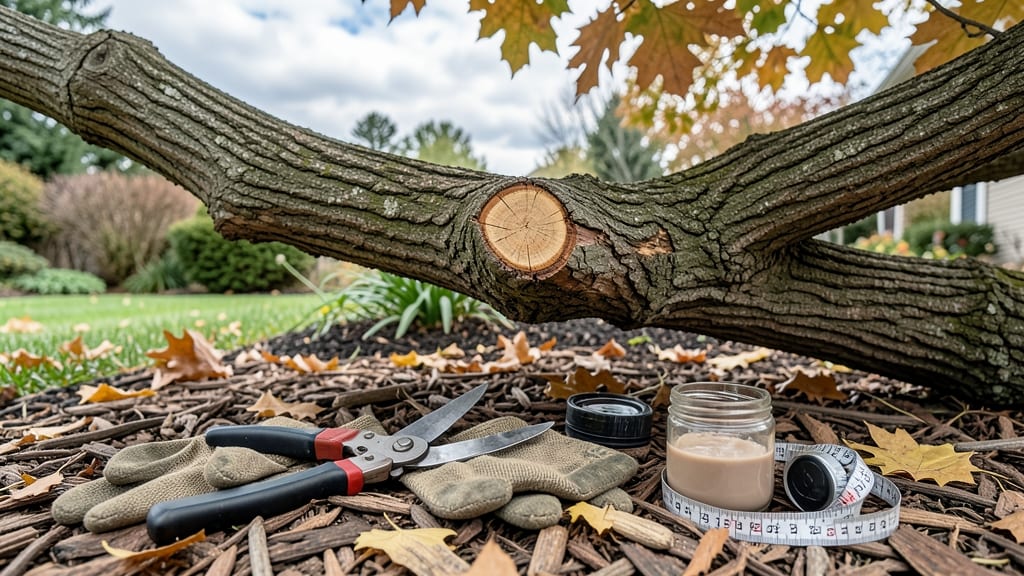
To cut off a tree branch crossword-style, you must remove it flush to the trunk by finding the branch collar—the swollen area where the branch meets the trunk—then making a precise cut just outside it using sharp pruning tools. Always avoid leaving stubs or damaging the bark to prevent decay.
This pruning technique is called "crossword-style" because your cuts should form an X shape: first an undercut below the branch collar, then a top cut just outside it. 🌳 The branch collar acts like a natural seal, helping the tree heal faster and reducing the risk of disease.
I recommend practicing on smaller branches first—it’s easier to see the collar and make clean cuts when the branch is thin.
Using the right tools makes all the difference. Sharp pruning shears or a handsaw will give you cleaner cuts, while dull tools tear the bark and leave jagged edges. Always wear gloves and safety goggles, especially when working with larger branches.
If you’re unsure about a cut, take your time—rushing leads to mistakes that can harm your tree in the long run.
💡 In This Article
- Identifying the Right Cut for Tree Branch Removal
- Essential Tools and Safety Tips for Pruning Trees
Identifying the right cut for tree branch removal
The branch collar is the key feature you must locate before making any cut. This swollen, slightly raised area forms naturally where the branch meets the trunk, acting as the tree's built-in healing mechanism.
Think of it like a scar tissue—it contains protective cells that help seal the wound after pruning. When you cut just outside this collar, you preserve its integrity, allowing the tree to compartmentalize the injury and prevent disease pathogens from entering the trunk.
Here's how to make the precise cuts: First, create an undercut about 1/4 inch below the branch collar using a pruning saw or loppers, cutting at a 45-degree angle to prevent bark tearing. Next, make your top cut about 1/8 inch outside the branch collar, cutting straight across.
The two cuts together form that signature "X" shape—this is why it's called the crossword method. The undercut prevents the bark from splitting as you remove the branch, while the top cut ensures you don't leave any stubs that could rot.
The angle of your cuts matters more than most people realize. A 45-degree undercut creates a sloping surface that helps rainwater run off instead of pooling at the wound site. This prevents water from sitting against the trunk, which could lead to fungal infections.
The straight top cut should be level with the trunk's natural contour—any unevenness can create weak points where pests or diseases might enter. For branches thicker than 2 inches, you might need to make a third cut to control the branch's weight as it falls.
What most people don't realize is that improper cuts can actually shorten a tree's lifespan. When you leave stubs or tear the bark, you're creating open wounds that expose the tree's vascular system to infections like silver leaf fungus or Dutch elm disease.
The branch collar contains specialized cells that produce callus tissue—this natural healing process can take 1-2 years for larger branches. By respecting this biological feature, you're not just making a clean cut; you're helping the tree recover more efficiently.
Consider this example: A 3-inch diameter branch removed with proper crossword cuts will heal with a callus that's about 1/2 inch thick, completely sealing the wound within 2 years. The same branch cut improperly might develop a weak spot that never fully closes, creating an entry point for pests.
The difference comes down to understanding how trees heal—it's not just about removing the branch, but about minimizing damage to the trunk's protective layers.
For larger branches, you might need to use a pruning saw with a fine-tooth blade to avoid splintering. Always cut on the outside of the branch to prevent the weight from pulling the bark as you saw.
The moment you see the branch start to separate from the trunk, stop cutting immediately—this prevents the bark from tearing. If you're working with branches thicker than 4 inches, consider using a three-cut method to control the branch's fall safely.
Remember, the goal isn't just to remove the branch—it's to help the tree recover. Proper pruning techniques reduce stress on the tree, encourage new growth in the right places, and maintain the tree's structural integrity.
When done correctly, your cuts should look clean, precise, and purposeful—not like a hasty job with jagged edges. 🌿