
Pruning
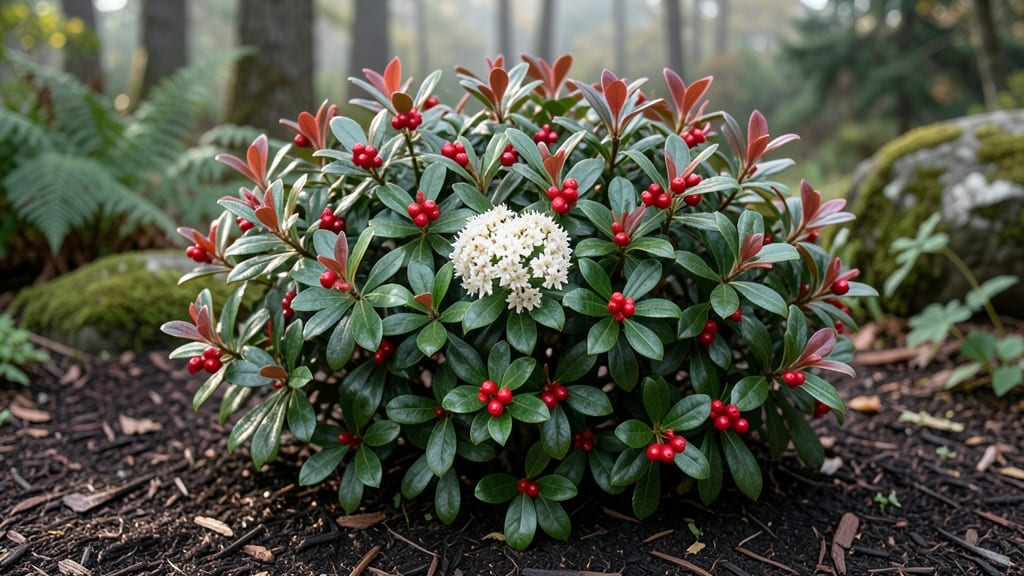
Your Christmas tree shrub could be the star of your winter garden—if you prune it right. ✨ These evergreen shrubs (think holly, pine, or fir) are designed to look like miniature Christmas trees year-round, but they need the right cuts to stay lush and symmetrical.
The secret isn’t just trimming—it’s shaping. Cut back leggy branches in early spring and lightly shape the top to mimic a tree’s natural taper. Avoid heavy pruning in winter, when the plant is dormant.
With the right technique, you’ll have a vibrant green focal point that stays beautiful even when snow falls. Pair it with winter pansies or berry-producing shrubs for extra holiday cheer. These plants thrive in borders, as wreath bases, or even as standalone garden art.
The key is patience—your shrub will reward you with year-round structure and seasonal interest. Works for any garden style, from cottage to modern. Let’s get pruning!
📚 In This Guide
- What you need
- Instructions
- Tips and common mistakes
- Wrapping up and next steps
What you need
- ● Pruning shears – Bypass pruners (sharp, 6-8" blades) for clean cuts.
- ● Loppers – For thicker branches (8-12" handles) if your shrub has woody stems.
- ● Hand pruners – Anvil-style for small trimming (if bypass isn’t available).
- ● Gloves – Heavy-duty, cut-resistant to protect hands from thorns/spines.
- ● Disinfectant (70% rubbing alcohol or bleach solution) – 1 part bleach to 9 parts water to sterilize tools between cuts.
- ○ Pruning sealant (optional but helpful) – For large cuts (1+ inch diameter) to prevent disease.
- ● Garden twine or stakes – For temporary support if shaping requires heavy branches.
- ● Wheelbarrow or bucket – For collecting clippings (5+ gallon capacity).
- ● Weather check – Prune on a dry, mild day (avoid frost or extreme heat).
- ● Safety gear – Sunglasses and long sleeves if working in sunny conditions.
- ● Ladder or step stool – If your shrub is 6+ feet tall.
- ● String or measuring tape – For marking guide lines before cutting.
- ● Compost or mulch – To replenish soil after pruning.
- ○ Camera or sketchpad – Optional: Document progress!
Step-by-Step pruning guide for your Christmas tree shrub
Keep your Christmas tree shrub lush and symmetrical with these seasonal pruning steps.
✂️ Step 1: Prune After Spring Flush
Wait until late spring when you see new growth after the first flush of leaves. This is the ideal time because the plant is recovering from winter and ready to shape. Use clean, sharp pruners to remove any dead or crossing branches first—these compete for energy and disrupt the tree's natural form.
For shaping, focus on the outer edges of the shrub. Cut back branches that grow outward to maintain a tapered silhouette. Make cuts just above a leaf node or bud to encourage new growth in the right direction. Never remove more than one-third of the plant's foliage in a single session—this stresses the shrub and can lead to dieback.
☀️ Step 2: Light Summer Maintenance
In early summer, do a quick check for any branches that have grown too long or lost their symmetry. Pinch back the tips of these branches with your fingers or small pruners to encourage bushier growth. This step prevents leggy branches and keeps the shrub compact.
Watch for water sprouts—those thin, vertical shoots that pop up in the center. These steal energy from the main structure. Snip them off at the base as soon as you spot them. A light thinning cut (removing entire branches from the base) can improve airflow and reduce disease risk. Just don’t overdo it—your goal is to maintain the tree shape, not turn it into a bare skeleton.
⏰ Step 3: Fall Cleanup Before Dormancy
As temperatures drop in late fall, give your Christmas tree shrub a final trim before it goes dormant. Remove any yellowing or diseased leaves and any branches that look weak or damaged. This prevents pests and diseases from overwintering in the plant.
Shape the shrub one last time for the season, focusing on balancing the canopy. If you notice any branches that grew too long over summer, cut them back by about one-third to keep the form tight. Avoid heavy pruning now—you want the plant to enter winter with enough energy stored in its roots to recover.
🌱 Step 4: Winter Pruning for Structure
Dormant pruning in mid-winter (when the plant is fully asleep) is your chance to make structural adjustments. This is when you can see the bare framework of the shrub and make precise cuts to refine its shape. Remove any dead, diseased, or weak branches first—these are easy to spot without foliage in the way.
For shaping, focus on opening up the center of the shrub to allow light and air to reach all parts. Cut back any branches that are growing inward or rubbing against others. Make your cuts just outside the branch collar (the swollen area where the branch meets the trunk) to promote fast healing. Avoid cutting into old wood—stick to the newer growth for the cleanest results.
Tips & tricks for perfect Christmas tree shrub pruning
Here's what nobody tells you about keeping your Christmas tree shrub looking its best year-round.
Timing is Everything: Late spring is your golden window for shaping—wait until you see that first flush of fresh leaves after winter dormancy. I learned this the hard way after pruning too early and stressing the plant. The new growth signals the shrub is ready to handle shaping without shock. In Step 1, focus on removing only the outward-growing branches to maintain that classic tapered silhouette, not the entire canopy.
Tool Prep Matters: Before you even touch your shrub, clean your pruners with rubbing alcohol to prevent spreading disease between cuts. I always sterilize my tools between each plant to avoid contamination. For Step 2's summer maintenance, use small pruners or even your fingers for pinching—this gives you more control over those delicate new shoots. Sharp tools make cleaner cuts that heal faster, so take 2 minutes to hone your blades before starting.
Seasonal Strategy: Fall cleanup (Step 3) is where many gardeners go wrong—they prune too aggressively before dormancy. Stick to removing only yellowing leaves and damaged branches, then do just light shaping. The one-third rule applies here too: never remove more than one-third of the foliage in any single session. This ensures your shrub has enough energy reserves to survive winter.
Winter Insights: Mid-winter's the perfect time to see your shrub's true structure. I always do this on a clear day when the branches aren't wet. Focus on opening up the center by removing inward-growing branches—this improves airflow and reduces disease risk. When making cuts in Step 4, look for the branch collar (that swollen area where branches meet the trunk) and cut just outside it for the cleanest heal.
Pro Tips for Christmas Tree Shrub
- Here's what nobody tells you about keeping your Christmas tree shrub looking its best year-round.
- Timing is Everything: Late spring is your golden window for shaping—wait until you see that first flush of fresh leaves after winter dormancy.
- Tool Prep Matters: Before you even touch your shrub, clean your pruners with rubbing alcohol to prevent spreading disease between cuts.
Frequently asked questions
When is the best time to prune a Christmas tree shrub?
Prune your Christmas tree shrub in late winter or early spring (before new growth starts) for the cleanest shape. Avoid heavy pruning in fall—it can stress the plant before winter. Light trimming to remove dead branches can be done anytime, but major shaping should wait for dormancy.
How much can I trim without harming the shrub?
Never remove more than 25-30% of the foliage in a single session. Over-pruning weakens the shrub and may lead to sparse growth. For thick, lush branches, aim for 10-15% annual reduction to maintain density. Always use sharp, clean tools to minimize damage!
Can I prune a Christmas tree shrub to look like a traditional tree?
With patience, you can train it into a tapered, tree-like shape. Start by pruning the lower branches to create a clear trunk, then gradually shape the top into a conical form. Use selective trimming to encourage upward growth—just avoid cutting too close to the trunk.
What should I do if my shrub looks leggy after pruning?
Leggy growth happens when the shrub stretches for light. To fix it, reduce sunlight exposure slightly (if possible) and fertilize lightly in spring to encourage bushier growth. Next year, prune earlier in the season and avoid heavy top trimming to promote denser foliage.
Are there alternatives to pruning for maintaining shape?
Yes! For minimal pruning, try pinching back tips in early summer to encourage branching. You can also use plant ties or stakes to guide growth into a desired shape. Just avoid over-restricting—let the shrub breathe! For a more natural look, embrace its organic form with light, strategic trims.
Wrapping up and next steps
Transforming your Christmas tree shrub into a year-round masterpiece is totally within reach—just follow the right pruning techniques! With the right tools, timing, and care, you’ll keep it lush, healthy, and festive all season long. 🎄✨
Ready to take the next step? Grab your pruners and schedule your first pruning session—whether it’s shaping after the holidays or giving it a mid-season refresh. Your shrub (and your curb appeal) will thank you!
Pro tip: Keep a quick pruning log to track growth and adjustments—it’s the secret to long-term success! 📝🌿