
Blooming
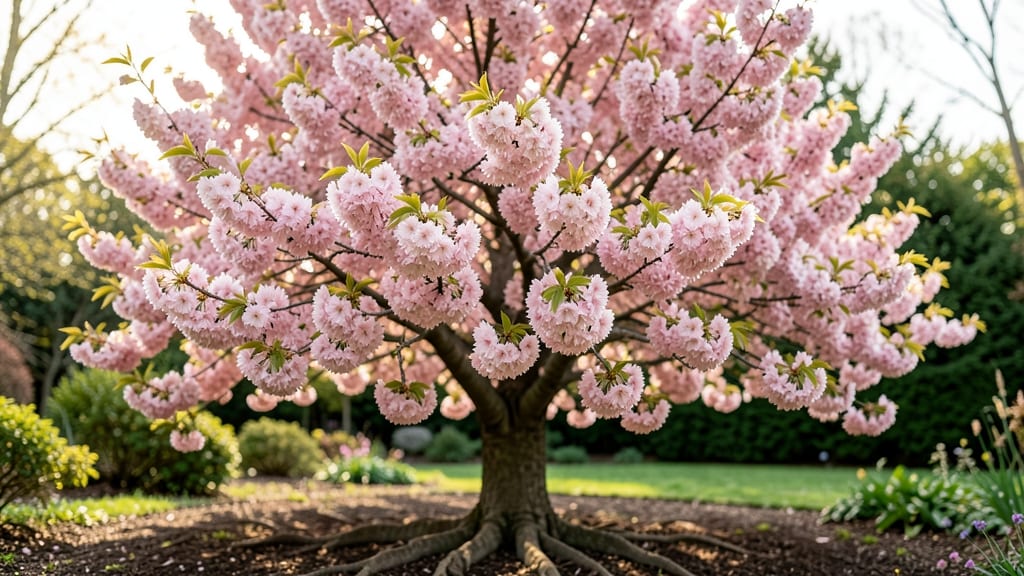
That pink cloud canopy of cherry tree blossom time appears when cherry trees bloom—usually between late March and early May, depending on your zone. 🌸 I’ve watched my neighbor’s Yoshino cherry explode into blossoms one week, while my late-blooming Starking Delight lingers another two.
The timing isn’t just about beauty; it’s a delicate balance of chill hours, sunlight, and even last year’s care.
Regional variations matter: Southern gardens see blooms in February, while Northern zones wait until May. Your tree’s variety also plays a role—some, like the early-blooming Kwanzan, burst into color weeks before others.
Even a mild winter can delay blooms, so pay attention to your tree’s signals: tight buds mean it’s ready to burst, while soft, swollen buds need patience.
When those petals unfurl, resist the urge to prune or fertilize—the tree’s energy is focused on flowering, not growth. After the show ends, focus on watering deeply and mulching to protect roots. A well-cared-for tree rewards you with years of show-stopping spring displays.
For the best results, plant in full sun and choose a variety suited to your climate. Some trees, like the weeping varieties, offer extended bloom times—up to three weeks of pink perfection. Now’s the time to plan where you’ll enjoy the view!
📚 In This Guide
- What you need
- Instructions
- Tips and common mistakes
- Wrapping up and next steps
What you need
- ● Note: If planting in a container, ensure the pot is at least 24 inches in diameter with drainage holes! 🌍
How to extend your cherry tree's blossom time for a stunning pink display
Here's how to coax weeks of vibrant blooms from your cherry tree—no special tools needed.
☀️ Step 1: Time Your Pruning for Maximum Blooms
Prune your cherry tree immediately after it finishes blooming in spring, around late April or early May. This timing ensures you remove last year's spent flowers while leaving plenty of energy for new buds to form. I always use clean, sharp pruning shears to make cuts just above a bud or branch collar—never leave stubs, or you'll invite disease.
The goal is to open up the canopy so sunlight reaches the center branches. Remove any dead, crossing, or inward-growing branches first. Then thin out crowded areas by cutting back to a strong outward-facing bud. You'll see more sunlight hitting the inner branches, which triggers more blossom buds to form for next year.
💧 Step 2: Water Deeply During Bud Formation
Once buds begin swelling in late winter (February-March), water your tree deeply every 10-14 days until the soil feels moist 12 inches down. Cherry trees need consistent moisture during this critical period—too little water stresses the tree and reduces blossom production. I use a soaker hose to deliver water slowly at the base, avoiding the foliage to prevent fungal issues.
Here's the trick: water in the early morning so the tree can absorb moisture before afternoon heat evaporates it. You'll notice new shoots emerging along the branches—this is your signal that the tree is investing energy in next year's flowers. If the ground feels dry just 1 inch down, it's time to water again.
⏰ Step 3: Apply Balanced Fertilizer at the Right Time
In early spring (March), apply a 10-10-10 balanced fertilizer around the tree's drip line, not directly against the trunk. I use about 1 pound per inch of trunk diameter—for a 4-inch trunk, that's 4 pounds spread evenly in a 6-foot radius. Water the area immediately after to help nutrients penetrate the soil.
This timing is crucial: fertilizing too early can stimulate leaf growth at the expense of blossoms, while waiting too long misses the window for bud development. You'll see fresh green leaves appear within 2-3 weeks, but the real reward comes when you spot pink buds forming along the branches by late April.
🌿 Step 4: Protect Blooms from Late Frost
If your area experiences late frosts (common in USDA Zones 5-7), cover young blossoms with frost cloth on nights when temperatures drop below 28°F. I drape the cloth loosely over the tree and secure it with stakes—don't let it touch the branches, or you'll trap moisture and risk rot. Remove the cover by 10 AM so sunlight can warm the tree naturally.
Here's what to watch for: blossoms that turn brown after a freeze won't open, but the buds below may still survive. A light frost (above 28°F) might damage petals but leave the flower buds intact. If you see green buds peeking through damaged blooms, they'll likely recover and open later, extending your pink canopy.
🌱 Step 5: Mulch to Retain Moisture and Temperature
Spread 3-4 inches of organic mulch (like wood chips or shredded bark) around the tree's base, keeping it 6 inches away from the trunk. This layer insulates roots against temperature swings and retains moisture. I always refresh the mulch in early spring before buds swell, as old mulch breaks down and loses effectiveness.
The mulch does double duty: it prevents weeds from competing for nutrients while keeping the soil consistently moist. You'll notice fewer weeds popping up and a more uniform soil temperature—both critical for encouraging strong blossom production. A well-mulched tree also requires less frequent watering once established.
Tips & tricks for extending cherry tree blossom time
Real talk: the difference between a cherry tree with a few scattered blooms and one that looks like a pink cloud comes down to these small but powerful details.
Timing is Everything: That late April/early May pruning window in Step 1 is non-negotiable. If you prune too early, you risk removing next year's flower buds that are already forming. I've seen trees with half the blossoms because they were pruned in March—don't make that mistake! Look for when 90% of current blooms have fallen naturally before you touch your shears.
Soil Moisture Check: The "12 inches down" moisture check in Step 2 is crucial, but here's what nobody tells you—use a simple screwdriver to test. Push it into the soil; if it goes in easily, you're good. If it meets resistance at 1-2 inches, water again. I keep a small garden trowel handy to check multiple spots around the tree's drip line for consistent moisture.
Frost Protection Pro Tip: When using frost cloth in Step 4, leave a small gap at the top (about 6 inches) to allow heat to escape during the day. This prevents condensation buildup that can lead to fungal issues. I also secure the cloth with plastic clips instead of stakes—it's easier to remove quickly in the morning and won't damage the branches over time.
Mulch Refresh Strategy: The 3-4 inches of mulch in Step 5 should look like a cozy blanket, not a mound. Rake it out annually in early spring to refresh it—old mulch breaks down into a thick mat that blocks water and air from reaching the roots. I mix in a little compost when refreshing to give the tree an extra nutrient boost without needing extra fertilizer.
Pro Tips for Cherry Tree Blossom Time
- Real talk: the difference between a cherry tree with a few scattered blooms and one that looks like a pink cloud come...
- Timing is Everything: That late April/early May pruning window in Step 1 is non-negotiable. If you prune too early, y...
- Soil Moisture Check: The "12 inches down" moisture check in Step 2 is crucial, but here's what nobody tells you—use a...
Frequently asked questions
Got questions about cherry tree blossom time?
Here are answers to the most common ones—because nothing beats a little prep for that dreamy pink canopy!
When is the exact cherry blossom season?
Timing varies by species and location! Most Prunus serrulata (Japanese cherry trees) bloom in late March to mid-April in the U.S. (e.g., DC’s Tidal Basin peaks around mid-April). Check your local National Weather Service or USDA Plant Hardiness Zone for precise forecasts. Pro tip: Early bloomers (like Yoshino) may start 1–2 weeks sooner!
How long do cherry blossoms really last?
Expect 7–14 days of peak bloom, but the full show—from first petals to fallen blooms—spans 3–4 weeks. Weather (rain, wind, or cold snaps) can shorten this. Double-blooming varieties (like Kanzan) may reward you with a second round in summer!
Will rain ruin cherry blossom season?
Rain won’t stop the magic—it just makes the petals heavier and shortens their lifespan. Light showers? No problem! Heavy downpours or storms may strip blooms early. Best viewing tip: Plan picnics for sunny mornings when dew enhances the pink glow.
Can I plant a cherry tree to guarantee blossoms?
Yes—but patience is key! Mature trees (10+ years) bloom best. Choose self-pollinating varieties (like Autumn Royal) or plant two compatible types nearby. Critical care: Full sun (6+ hours/day), well-draining soil, and pruning in late winter (before buds swell).
What’s the best time of day to photograph cherry blossoms?
Golden hour (sunrise/sunset)
casts a dreamy pink hue, but overcast mornings soften shadows for even coverage. Avoid midday glare! Pro hack: Use a polarizing filter to deepen the sky’s contrast. Lighting cheat sheet:
| Time | Lighting Effect | Best For |
|---|---|---|
| Sunrise | Warm, diffused | Silhouettes + soft petals |
| Midday | Bright, harsh | Avoid (unless using shade) |
| Sunset | Cool tones + long shadows | Dramatic skies |
Wrapping up and next steps
Cherry tree blossom time isn’t just a fleeting moment—it’s a magical spectacle that transforms landscapes into dreamy pink canopies. Whether you’re admiring them in parks, cultivating your own tree, or simply soaking in their beauty, these blooms remind us to pause and appreciate nature’s fleeting wonders. 🌸
Ready to embrace the magic? Plan your next visit during peak bloom season, or start your own cherry tree journey! Share your blossom moments with us—we’d love to see your pink paradise. 📸✨