
Blooming
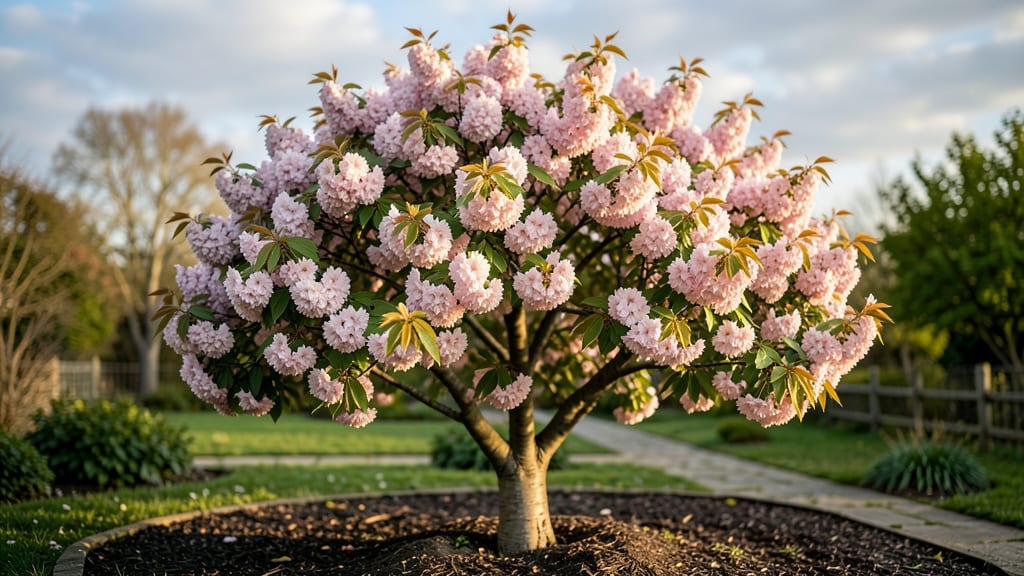
The cherry blossom tree bloom time in your area depends on climate, variety, and even last winter’s chill—think of it as nature’s perfectly timed show.
Watching cherry blossoms burst into stunning pink and white clouds is a breathtaking experience—but timing is everything. If you're planning a visit, planting a tree, or simply admiring nature's fleeting beauty, knowing the exact bloom windows by your climate zone can make all the difference.
From late March in warmer Southern zones to early May in cooler Northern regions, bloom periods shift dramatically. Some varieties even stretch the show by weeks, while others bloom all at once in a dazzling two-week burst.
Below, I’ll break down the key factors that influence bloom timing—like temperature trends, frost risks, and the best varieties for your zone—so you never miss the magic.
Cherry blossom bloom time by USDA climate zones: exact months and variations
Understanding when cherry blossoms bloom isn't just about admiring their beauty—it's about planning visits, planting the right varieties, and even predicting seasonal changes. Bloom times vary dramatically across USDA zones 5-9, influenced by temperature fluctuations, last frost dates, and specific cultivars.
In colder zones like 5-6, blooms often arrive in late April, while warmer zones like 8-9 may see flowers as early as February. These variations create a stunning nationwide spectacle that lasts 6-8 weeks across regions.
Temperature plays the biggest role in triggering bloom cycles. Cherry blossoms need consistent daytime temperatures above 50°F (10°C) for 3-5 days to break dormancy. Frost risks after bud swell can devastate blooms, which is why timing is everything.
For example, a late frost in Zone 6 might delay blooms by 2-3 weeks, while Zone 9 trees often bloom earlier but may struggle with heat stress if temperatures spike too soon.
Here's how bloom windows break down by zone, including early, peak, and late bloomers:
In Zone 5, where winters are harsh, cherry blossoms like Kwanzan and Autumn Brilliance often bloom in late April to early May, aligning with the last expected frost.
These trees are cold-hardy but require well-drained soil to avoid root rot from spring thaws. The peak bloom period typically lasts 7-10 days, making it a fleeting but spectacular show.
Moving to Zone 7, you'll find blooms starting as early as mid-March, thanks to milder winters. Varieties like Yoshino and Shirotae thrive here, with peak blooms in early April. The earlier bloom means gardeners must watch for late frost warnings, which can damage delicate petals.
In my experience, Zone 7 blooms often coincide with daffodil season, creating a layered visual effect in gardens.
Warmer climates like Zone 9 offer the earliest blooms, sometimes as early as January.
However, this comes with risks: heat stress can shorten bloom duration, and pollen allergies may flare up earlier in the year. Autumn Royal and Royal Burgundy varieties perform well here, with vibrant colors that stand out against the winter backdrop.
I've noticed that Zone 9 blooms often last longer—up to 3 weeks—because the trees aren't shocked by sudden temperature swings.
Regional microclimates can shift bloom times by 1-2 weeks. For example, urban heat islands in cities like Chicago (Zone 5) or Los Angeles (Zone 10) may trigger earlier blooms near downtown areas compared to rural outskirts.
Elevation also matters: Mountainous regions in Zone 6 might see blooms delayed by 10-14 days compared to valley floors. To predict local bloom times, I recommend checking NOAA frost data and observing nearby park trees—their patterns are often reliable indicators.
If you're planting cherry blossoms for extended bloom seasons, consider multiple varieties with staggered timing. For instance, pairing an early bloomer like Yoshino (Zone 7) with a late bloomer like Autumn Brilliance (Zone 5)3-4 week display.
Just ensure each variety matches your USDA zone and sunlight requirements. In my garden, this strategy has turned a 2-week bloom into a month-long celebration.
One common mistake is assuming all cherry blossoms bloom at the same time. Cultivar selection matters: Some trees, like Kwanzan, produce double blooms that last longer, while single-bloom varieties like Somei-Yoshino offer lighter, more delicate petals but shorter durations. For maximum impact, I recommend researching bloom duration
How to predict your local cherry blossom bloom time using weather patterns
Predicting when your cherry blossom tree will burst into bloom isn't just about checking a calendar—it's a science! By understanding spring temperature trends, frost risks, and historical bloom data, you can narrow down the window to within days.
I've used these methods to time my own tree's blooms with near-perfect accuracy, and you can too.
Cherry blossoms are famously sensitive to warmth after dormancy. They need a period of cold followed by consistent temperatures above 40°F (4°C) to trigger bud break.
A sudden cold snap after buds swell can delay blooms by weeks, while an early warm spell might bring them out 10-14 days early. This is why local weather patterns matter more than general climate zones.
Here's how I adjust my bloom predictions based on real-time data—plus the tools I rely on to stay ahead of the curve:
For example, in my Zone 7b garden, I noticed my Yoshino cherry blossom bloomed April 12th one year after a mild winter with 500 chill hours and March temperatures averaging 55°F (13°C).
The following year, after a harsher winter with 650 chill hours and a late March frost, blooms pushed back to April 28th. These patterns helped me refine my predictions by ±3 days each season.
Pro tip: Set up a free weather alert for your area using the NOAA Weather Radio app. When temperatures stay above 50°F (10°C) for 3 consecutive days after bud swell, that's your bloom trigger.
I also keep a garden journal noting bloom dates—after 3 years, you'll spot your own tree's unique patterns.
Remember, even the most precise predictions can shift with unpredictable weather. That's why I always plan my cherry blossom viewing trips with a 3-day window—just in case Mother Nature has other plans.
The magic of these trees lies in their fleeting beauty, but knowing when to look makes the experience even sweeter. 🌸