
Trees
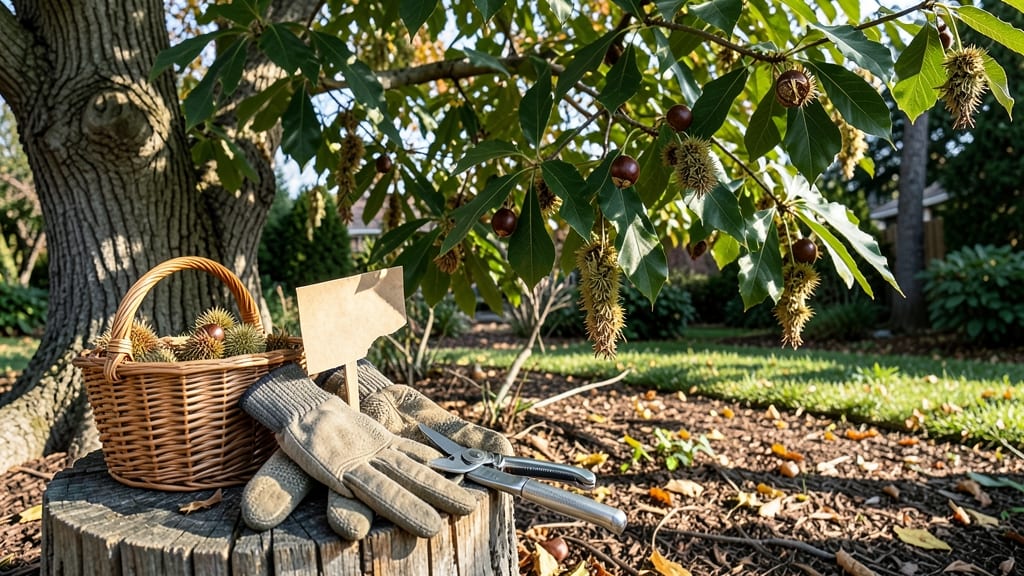
Buckeye tree nuts have limited safe culinary uses due to toxicity but serve traditional, medicinal, and ornamental purposes in gardening and folklore, including dye-making and wildlife support.
The buckeye tree nuts you find in gardens aren't safe for eating—they contain toxic compounds like aescin and saponins that can cause nausea, vomiting, or even neurological issues if ingested. 🌳 However, their seeds have been used for centuries in traditional remedies (like poultices for skin irritations) and as natural dyes for fabrics.
Many gardeners plant buckeye trees specifically to attract wildlife, such as deer and birds, while their striking foliage makes them popular ornamental trees.
For non-toxic applications, buckeye seeds can create rust-colored dyes when boiled, and their wood is prized for furniture and flooring. The tree's deep roots also help stabilize soil, making it valuable for erosion control in landscapes.
Always wear gloves when handling the nuts, and keep them away from pets or children.
💡 In This Article
- Toxic Properties and Safe Handling of Buckeye Tree Nuts
- Ornamental and Practical Uses in Landscaping and Wildlife Gardens
Toxic properties and safe handling of buckeye tree nuts
The buckeye tree's nuts contain aescin and saponins, two compounds that trigger gastrointestinal distress and neurological symptoms.
Aescin, found in horse chestnut but also present in buckeye, disrupts red blood cell membranes, while saponins create soapy foam when mixed with water—a natural defense mechanism that also irritates digestive linings. 🔥 Even small amounts (about 1-2 nuts) can cause vomiting, diarrhea, or dizziness within 30-60 minutes of ingestion, with severe cases potentially leading to seizures.
Historically, some Native American tribes used buckeye extracts externally for skin rashes or muscle pain, but these applications required careful preparation to avoid absorption. The nuts were often roasted or boiled to reduce toxicity before use in poultices.
Modern research confirms that raw nuts contain up to 10x higher toxin levels than cooked ones, but even processed versions remain dangerous if ingested. Always wear gloves when handling nuts, as skin contact can cause irritation in sensitive individuals.
For gardeners, the key safety measure is physical separation. Plant buckeye trees at least 50 feet from play areas, patios, or vegetable gardens where children or pets might access the nuts. The tree's glossy, palmate leaves and shiny brown nuts resemble edible hickory nuts, increasing accidental ingestion risks.
If exposure occurs, induce vomiting (under professional guidance) and seek medical attention immediately—symptoms can escalate rapidly.
Interestingly, the toxicity varies by species: Aesculus glabra (Ohio buckeye) contains slightly less aescin than Aesculus hippocastanum (horse chestnut), but both are dangerous. The nuts' bitter taste is nature's warning—animals rarely eat them unless desperate.
This chemical defense extends to the tree's red seeds, which also contain toxins, making all parts except the wood generally unsafe for consumption.
One exception is the wood, which is non-toxic and prized for furniture-making due to its durable grain pattern. The tree's 10-15 foot height and spread also make it ideal for urban landscapes where space is limited.
For dye-making, only the outer husks (not the nuts) are used—boiling them yields a rust-colored pigment safe for fabric staining when properly filtered.
Remember: Never use buckeye nuts in cooking, even as a spice or flavoring. Their toxins persist through most preparation methods, and no known culinary tradition safely incorporates them. The tree's true value lies in its ornamental beauty and ecological benefits, not its nuts. 💫