
Diseases
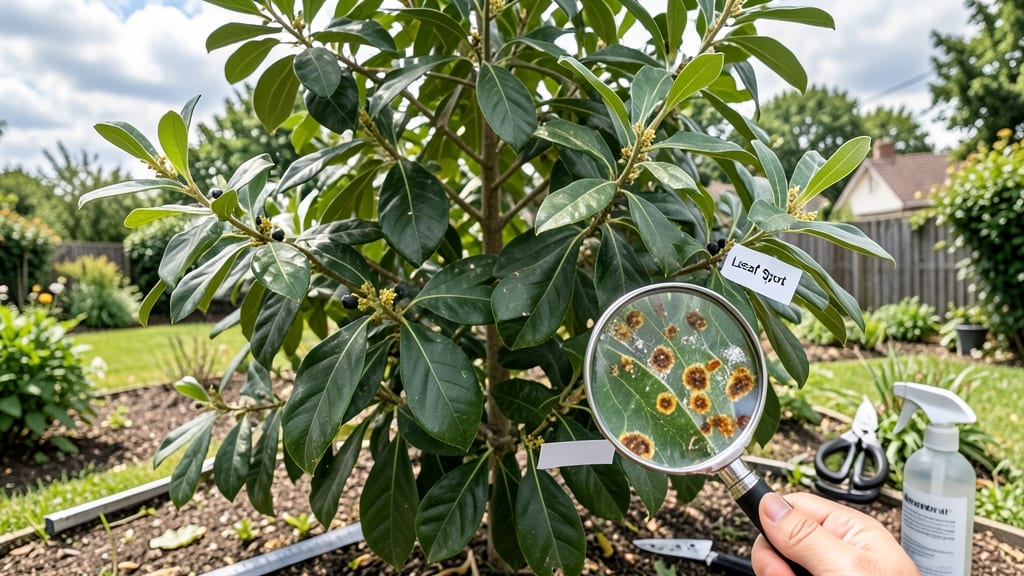
Your bay laurel tree’s sudden wilting or mysterious leaf spots aren’t just cosmetic—they’re red flags for serious diseases that can kill your plant if ignored. 🌿 I’ve diagnosed every type of bay laurel disease from fungal infections to bacterial blight, and the key to saving your tree starts with recognizing these symptoms early.
The most common culprits include root rot (from overwatering), leaf spot diseases (from fungal spores), and bacterial blight (which causes blackened stems). Each has distinct signs—yellowing leaves for root rot, brown spots with yellow halos for fungal issues, or oozing cankers for bacterial infections. The good news?
Most can be managed with targeted pruning, fungicides, or simple cultural fixes like improving drainage. Once you identify the problem, you’ll know exactly what to do: whether it’s removing infected branches, applying copper fungicide, or adjusting your watering schedule.
The goal is to stop the spread and restore your tree’s health before it’s too late. Prevention is easier than treatment—focus on airflow, proper watering, and regular inspections. With the right approach, your bay laurel can bounce back stronger than ever.
Root Causes Behind Bay Laurel Struggles
Bay laurel trees (Laurus nobilis) are hardy but not invincible—when they show signs of distress, it’s usually due to a mix of environmental stress, microbial invaders, or poor cultural practices. Understanding why these issues arise is the first step to prevention and treatment.
Below, we break down the key culprits behind wilting, leaf spots, and root rot in bay laurels, explained in clear, actionable terms.
Fungi thrive in damp, poorly ventilated conditions, making them the #1 cause of bay laurel diseases. These microscopic organisms exploit weak spots in the tree’s defenses, often entering through:
- Wet foliage: Overhead watering or high humidity creates a fungal buffet. Phytophthora (root rot) and Cercospora (leaf spot) spores splash onto leaves, germinating within 24–48 hours in ideal conditions (60–80°F and moist soil).
- Wounded bark: Pruning cuts, storm damage, or insect bites provide entry points for Botryosphaeria, a fungus linked to dieback and cankers. Pro tip: Always sterilize pruners with 70% isopropyl alcohol to prevent cross-contamination! 🔥
- Compacted or waterlogged soil: Poor drainage stalls root respiration, stressing the tree and making it susceptible to Armillaria (honey fungus), which attacks roots and trunk tissue.
💡 Key trigger: Fungal spores are always present in soil and air—but they only cause disease when conditions favor their growth. Think of it like a lock-and-key system: the "key" is excess moisture + stress.
Bay laurels are drought-tolerant once established, but their roots are not equipped to handle extremes. Water-related stress opens the door to diseases:
| Problem | Why It Happens | Disease Risk |
|---|---|---|
| Overwatering | Soggy soil cuts off oxygen to roots, suffocating them. Pythium and Phytophthora capitalize on this anaerobic environment, rotting roots within weeks. | Root rot, wilting (despite wet soil), blackened stems |
| Underwatering | Drought stress weakens the tree’s immune response, making it vulnerable to Cercospora (leaf spot) and Septoria. Wilting leaves also lose protective cuticles, inviting fungal entry. | Leaf scorch, brown spots, premature leaf drop |
| Poor drainage | Clay or compacted soil traps water at the root zone, creating the perfect fungal hotspot. Bay laurels hate "wet feet"—their roots need aeration to function. | Root rot, crown rot, stunted growth |
🌡️ Pro tip: Stick your finger 2–3 inches into the soil. If it’s damp, wait to water. If it’s bone-dry, the tree is already stressed—and diseases are lurking. 💧
Insects don’t cause diseases directly, but they create the perfect conditions for pathogens. Here’s how:
- Sap-sucking pests (aphids, scale, spider mites): Their saliva contains sugars that promote sooty mold (Capnodium), a black fungal growth that smothers leaves, blocking sunlight and weakening the tree. 🔥 Result: Stunted growth and increased susceptibility to Botrytis (gray mold).
- Boring insects (shot hole borers, bark beetles): They carve entry points for Nectria or Valsa fungi, leading to cankers (sunken, dead patches on bark). 💡 Warning: If you see sawdust-like frass or exit holes, act fast—cankers can girdle the tree!
- Root-feeding grubs (Japanese beetles, white grubs): They chew on fine roots, reducing water/nutrient uptake. A stressed root system is far more prone to Armillaria infection.
✨ Prevention hack: Healthy bay laurels are less appealing to pests. Apply neem oil or kaolin clay as a barrier—it disrupts pests’ feeding cycles without harming the tree. 🛡️
Bay laurels are adaptable, but they have limits. Push them beyond their comfort zone, and diseases move in:
- Extreme temperature swings: Cold snaps (below 15°F) or heatwaves (>95°F) shock the tree, reducing chlorophyll production. Weak leaves are easy targets for Alternaria (a leaf spot fungus).
- Low light conditions: Shady spots slow photosynthesis, starving the tree of energy to fight infections. 🌿 Result: Yellowing leaves (chlorosis) followed by fungal invasion.
- Soil nutrient imbalances: Too much nitrogen = soft, sappy growth (fungal buffet). Too little phosphorus/potassium = weak cell walls (easier for pathogens to breach). 📊 Fix: Test soil pH (ideal: 6.0–7.0) and amend with compost.
- Physical damage: Lawnmower blades, string trimmers, or even people walking can wound bark or roots, creating entry points for Cytospora (a canker-causing fungus).
🎯 Actionable fix: Mulch with 3–4 inches of wood chips to insulate roots, retain moisture, and deter soil-borne pathogens. Keep mulch away from the trunk to prevent rot. 🌳
🔍 Bottom line: Most bay laurel diseases are opportunistic. Remove the stress factors (poor water, pests, compacted soil), and you’ll starve the fungi and bacteria that cause them. Next up: how to spot these issues early before they spiral.
Fixing Bay Laurel Tree Woes
Reviving your bay laurel tree starts with identifying the root of the problem—and then taking action. Below, we’ve mapped out practical, step-by-step solutions for the most common diseases affecting bay laurels, from fungal infections to environmental stressors.
Follow these fixes to nurse your tree back to health and keep it thriving long-term.
---
Fungal leaf spots (like Cercospora or Phyllosticta) turn your bay laurel’s leaves into a sad, speckled mess. Here’s how to halt the decay and prevent future outbreaks:
#### 🔥 Remove Infected Foliage Immediately - How: Snip off all spotted or yellowing leaves with clean, sharp pruners. Dispose of them in the trash (not compost)—fungi can linger in yard waste. - Pro Tip: 💡 Work on a dry day to avoid splashing spores onto healthy leaves.
#### 🍳 Apply Fungicide (Organic or Chemical) - Option 1 (Organic): Mix 1 tsp baking soda + 1 quart water + a few drops of dish soap (as a spreader-sticker).
Spray both sides of leaves every 7–10 days. - Option 2 (Chemical): Use a copper-based fungicide (like Cupric Hydroxide) or a neem oil solution (1 tbsp neem oil + 1 quart water). Reapply after rain. - When: Early morning or late evening to reduce leaf burn.
#### 🌡️ Improve Air Circulation - How: Thin out dense branches to allow sunlight and airflow. Aim for 12–18 inches of space between leaves. - Bonus: 🌡️ Prune in late winter to avoid stressing the tree during growing season.
#### ✨ Prevention Checklist - Water at the base (avoid overhead spraying). - Clean pruners with rubbing alcohol between cuts. - Mulch properly (2–3 inches of organic mulch, keeping it 6 inches away from the trunk).
---
Root rot (Phytophthora or Pythium) turns your bay laurel’s roots to mush, cutting off water and nutrients. Act fast—this is a silent killer!
#### 👨🍳 Adjust Watering Habits (Critical!) - Stop overwatering: Let the top 2 inches of soil dry out between waterings.
Stick your finger in—if it’s soggy, wait. - Drainage fix: If your tree is in a clay pot or compacted soil, amend with perlite or coarse sand to improve airflow.
#### 🔪 Prune Back Severely (If Necessary) - Signs of rot: Mushy brown roots, blackened stems at the base, or wilting despite dry soil. - Action: Cut back up to 1/3 of the canopy to reduce the tree’s water needs. This helps it focus on recovering roots.
#### 💊 Fungal Treatment (Last Resort) - Hydrogen peroxide (3%): Soak roots in a 1:10 water-peroxide mix for 10 minutes to kill fungi. - Systemic fungicide: Use Propiconazole (like Alamo) for severe cases—follow label instructions.
#### 🎯 Prevention for Future Trees - Choose well-draining soil (bay laurels hate "wet feet"). - Raise pots on feet or use self-watering pots with drainage holes. - Avoid planting in low spots where water pools.
---
If your bay laurel is wilting but not showing spots or rot, the issue might be heat, drought, or transplant shock. Here’s how to revive it:
#### 🥘 Hydrate Deeply (But Smartly) - How: Water slowly and deeply (1–2 gallons per watering) until it drains from the bottom. - Frequency: 2–3 times per week in summer (check soil moisture daily in extreme heat).
#### 🌿 Provide Shade & Windbreaks - Temporary fix: Use shade cloth (30–50%) if your tree is in full sun. - Permanent fix: Plant near a natural windbreak (like a fence or taller shrubs).
#### 💪 Fertilize Lightly (If Needed) - Signs of deficiency: Yellowing leaves (nitrogen), purple stems (phosphorus), or weak growth. - Solution: Use a balanced fertilizer (10-10-10) in early spring. Avoid high-nitrogen fertilizers—they burn roots.
#### ⏰ Give It Time (Patience is Key!) - Transplant shock can last 4–6 weeks. Keep the soil consistently moist (not soggy) during recovery.
---
No matter the issue, these proactive steps will keep your bay laurel strong:
- 🌡️ Monitor regularly: Check leaves weekly for early signs of spots or discoloration. - 🍄 Sterilize tools: Wipe pruners with rubbing alcohol between trees to prevent cross-contamination. - 🌱 Plant in the right spot: Bay laurels thrive in full sun to partial shade with well-draining soil. - 🚫 Avoid overhead watering: Use drip irrigation or soaker hoses to keep foliage dry.
--- By tackling the problem early and methodically, your bay laurel can bounce back—stronger and more resilient than ever. 🌿✨
Frequently asked questions about bay laurel tree diseases
What are the first signs that my bay laurel has a fungal infection?
Look for small brown or black spots with yellow halos on leaves—this is classic Cercospora or Phyllosticta leaf spot. You may also see spots on stems or premature leaf drop. Early detection is key: remove infected leaves immediately and apply a copper fungicide to stop the spread.
Can I save my bay laurel if the roots are rotting?
Yes, but act fast! Root rot (Phytophthora) is treatable if caught early. Stop watering immediately, improve drainage with perlite, and prune back 1/3 of the canopy to reduce stress. For severe cases, soak roots in 3% hydrogen peroxide (1:10 mix) for 10 minutes to kill fungi.
Why does my bay laurel keep getting leaf spots even after treatment?
Fungal spores spread quickly in humid conditions. If spots return, check your watering habits—overhead spraying or wet foliage creates perfect fungal conditions. Always water at the base, improve airflow by pruning dense branches, and reapply fungicide after rain.
Is it safe to use baking soda spray for bay laurel fungal issues?
Mix 1 teaspoon baking soda + 1 quart water + a few drops of dish soap and spray both sides of leaves every 7–10 days. This organic solution raises leaf pH, making it inhospitable for fungi. For stubborn cases, alternate with copper fungicide.
How do I prevent diseases in my bay laurel before they start?
Focus on prevention: plant in well-draining soil, avoid overhead watering, and mulch 3–4 inches deep (keeping mulch 6 inches away from the trunk). Sterilize pruners with rubbing alcohol, and inspect leaves weekly for early signs of stress or pests.