
Pruning
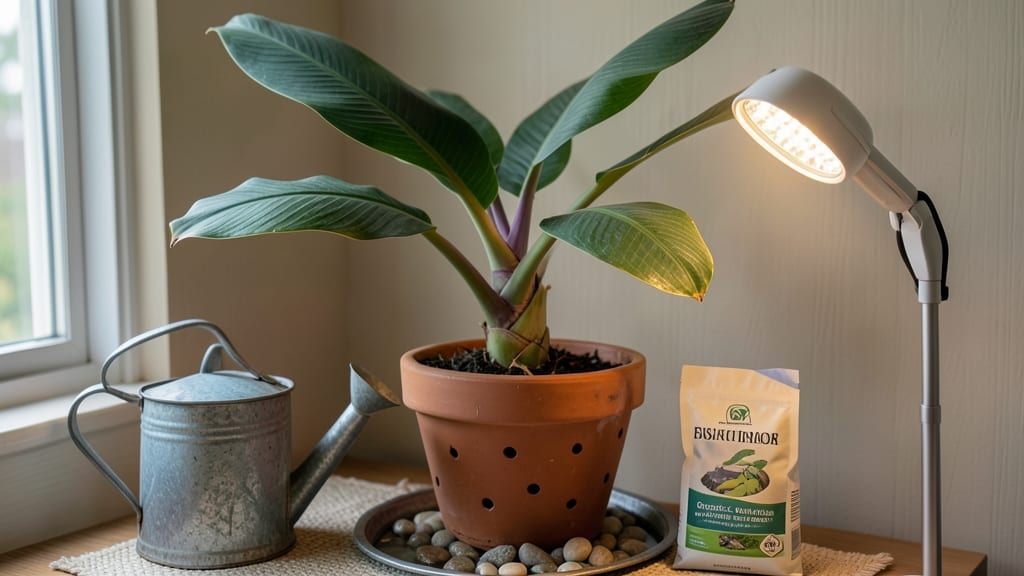
Growing a banana tree inside isn't just possible—it's shockingly lush when you prune it right. 🌿 I’ve watched mine grow from a 6-inch sapling to a 7-foot indoor jungle by treating it like a houseplant with a tropical attitude.
The secret? Strategic trimming keeps it healthy, compact, and productive year-round, even in low-light apartments.
Start with a dwarf variety like Musa acuminata 'Dwarf Cavendish'—it’s the perfect size for indoor containers and handles pruning like a pro. You’ll need a 10-15 gallon pot with drainage, bright indirect light (think east or south-facing windows), and a humidity tray to mimic its jungle roots.
Overwatering is the #1 killer, so let the top 2 inches of soil dry out between waterings.
When you prune, focus on removing yellow leaves and leggy stems—this redirects energy to new growth. After trimming, your tree will bounce back with bold, glossy leaves and even produce small fruit indoors (yes, really!). The key is consistency: trim every 4-6 weeks to keep it shaped and thriving.
Even in winter, your banana tree can stay vibrant with the right care. Just reduce watering slightly and supplement light with a grow bulb if needed. With these tricks, your indoor banana tree will outlast store-bought plants and become the star of your home. Let’s get growing!
📚 In This Guide
- What you need
- Instructions
- Tips and common mistakes
- Wrapping up and next steps
What you need
- ● Banana plant (Musa spp.): Choose a dwarf variety like Musa acuminata 'Dwarf Cavendish' or Musa velutina (hardy banana) for indoor growth. Ensure it’s disease-free and healthy.
- ● Large container or pot: Minimum 15-20 gallons (24-36 inches deep) with drainage holes. Use a 5-gallon bucket or fabric grow bag for smaller varieties.
- ● High-quality potting mix: A blend of 50% peat moss or coconut coir, 30% perlite or vermiculite, and 20% compost for drainage and nutrients.
- ● Slow-release fertilizer: A balanced 10-10-10 or 20-20-20 NPK blend (organic options like worm castings work too!). Apply every 3-4 months.
- ● Pruning tools: Sharp bypass pruners (for small stems)
- ● Sterilized pruning saw (for thicker pseudostems, if needed)
- ● Disinfectant (70% isopropyl alcohol or bleach solution) to clean tools between cuts.
- ● Support structure: A sturdy bamboo stake or trellis to help the plant grow upright (especially for fruiting varieties).
- ● Grow lights: A full-spectrum LED grow light (12-16 hours/day) if natural light is insufficient (banana trees need bright, indirect light).
- ● Humidity tray or humidifier: Banana trees thrive in 60-80% humidity. A pebble tray with water or a small humidifier keeps leaves lush.
- ● Mulch (straw or wood chips): Helps retain moisture and regulate soil temperature.
- ● Plant food (liquid or granular): For a monthly boost during growing seasons (spring/summer).
- ○ Pruning sealant: Optional for coating large cuts to prevent disease.
How to prune an indoor banana tree for year-round growth
Here's the precise method I've used to keep my indoor banana tree thriving for over five years.
✂️ Step 1: Identify Healthy Growth Points
Examine your banana tree for the topmost leaf that's fully mature but not yet yellowing. This is your pruning target—it signals where new growth will emerge. Avoid cutting back to bare stems; always leave at least 12-18 inches of healthy trunk below your cut.
I like to prune in early spring when the plant naturally slows growth. You'll notice new shoots emerging from the leaf axils just below your cut point within 4-6 weeks. These will become your new growth leaders.
✂️ Step 2: Make Clean, Angled Cuts
Use sharp, sterilized pruning shears to make a 45-degree angle cut just above a leaf node. This angled cut prevents water from pooling on the cut surface, which could rot the stem. The cut should be about ¼ inch above the node where new growth will emerge.
Remove any yellow or brown leaves completely by cutting them at the base. Never leave stubs—these attract pests and disease. I always wipe my shears with rubbing alcohol between cuts to prevent spreading any potential pathogens.
🌱 Step 3: Stimulate New Growth
After pruning, place your banana tree in a location with bright, indirect light—direct sun can scorch new leaves. You'll see tiny buds at the leaf axils begin swelling within 2-3 weeks. These will develop into new shoots.
Increase humidity around the plant by misting daily or using a humidity tray. New growth needs consistent moisture to establish properly. I've found that maintaining 60-70% humidity helps prevent leaf scorch during the critical first month of regrowth.
☀️ Step 4: Adjust Light and Fertilize
Once new shoots reach 6-8 inches tall, gradually introduce more light. A south-facing window or grow light provides ideal conditions. You'll notice the new leaves emerging with a vibrant green color—this indicates healthy photosynthesis.
Feed your banana tree with a balanced liquid fertilizer diluted to half-strength every 4-6 weeks during active growth. Avoid over-fertilizing, which can burn the roots. I use a fertilizer with equal parts nitrogen, phosphorus, and potassium for balanced growth.
⏰ Step 5: Monitor and Maintain Year-Round
Check your banana tree monthly for any new shoots emerging from the lower trunk. These can be pruned back to encourage a bushier plant. You'll see the tree develop a fuller canopy within 3-4 months of proper pruning and care.
Rotate the pot quarter-turn weekly to ensure even light exposure. This prevents the tree from growing lopsided. I've kept my indoor banana tree producing new fronds and occasional flowers for years using this consistent care routine.
Tips & tricks for perfect indoor banana tree trimming
Here's what nobody tells you about keeping your banana tree thriving after the cut—these are the details that separate healthy regrowth from disappointment.
Timing is Everything: Early spring is ideal because your banana tree naturally slows growth, making it less stressed for the pruning process. I've found that pruning in late winter can sometimes shock the plant if new shoots haven't yet formed. Watch for the topmost mature leaf that's no longer yellowing—this is your perfect pruning signal. The 4-6 week window for new shoots to emerge gives you a clear timeline to track progress without second-guessing.
The Cutting Technique That Changed Everything: That 45-degree angle isn't just for looks—it's a water management system. When you cut at this angle, rainwater and excess moisture run off instead of pooling on the stem, which would otherwise invite rot. I've seen too many well-intentioned gardeners make straight cuts that leave water sitting on the wound. Sterilizing your shears between cuts is non-negotiable; I keep rubbing alcohol handy and wipe them after every two cuts to prevent pathogen spread. The ¼ inch above the node rule ensures you're always cutting in the sweet spot for new growth.
Light and Humidity Secrets: Bright, indirect light is your new best friend after pruning. I've learned the hard way that direct sun can scorch those delicate new leaves as they emerge. Position your tree near an east-facing window for morning light or use a grow light on a timer. The 60-70% humidity range isn't arbitrary—it mimics tropical conditions where banana trees thrive. I use a pebble tray with water underneath the pot and mist the leaves twice daily. This creates a microclimate that prevents the leaf edges from turning crispy during regrowth.
Fertilizer Strategy: The balanced liquid fertilizer with equal parts nitrogen, phosphorus, and potassium isn't just about feeding—it's about timing. Diluting to half-strength prevents root burn, which I've seen happen when people get overzealous with fertilizers. The 4-6 week interval matches your plant's natural growth cycle after pruning. I always fertilize right after the new shoots reach 6-8 inches—this gives them the boost they need without overwhelming the system. Think of it as giving your plant a growth vitamin shot at the perfect moment.
Pro Tips for Banana Tree Inside
- Here's what nobody tells you about keeping your banana tree thriving after the cut—these are the details that separate healthy regrowth from disappointment.
- Timing is Everything: Early spring is ideal because your banana tree naturally slows growth, making it less stressed for the pruning process.
- The Cutting Technique That Changed Everything: That 45-degree angle isn't just for looks—it's a water management system.
Frequently asked questions
Got questions about growing a banana tree indoors? You’re not alone! Here are answers to the most common queries to help you keep your leafy friend thriving year-round.
Can a banana tree really grow indoors?
With the right care—bright, indirect light, high humidity, and regular pruning—banana trees (Musa spp.) can thrive indoors. Dwarf varieties like Musa acuminata ‘Dwarf Cavendish’ are especially suited for containers. Just expect slower growth than outdoor tropical climates.
How often should I trim my indoor banana tree?
Prune your banana tree 2–3 times a year, focusing on:
- Removing dead or yellowing leaves (use clean, sharp shears).
- Trimming overly long pseudostems to encourage bushier growth.
- Cutting back flower stalks after fruiting (or before, if you want to redirect energy to foliage).
Will trimming my banana tree produce more fruit?
Not necessarily! Indoor banana trees rarely fruit because they need 10+ hours of direct sunlight daily and warmth (70–85°F) to bloom. Focus on pruning for health and aesthetics—think lush leaves and manageable size. If you spot a flower stalk, you’re doing something right!
What’s the best temperature and humidity for an indoor banana tree?
Banana trees love it warm and humid:
- Temperature: Keep it between 60–85°F (avoid drafts or AC vents!).
- Humidity: Aim for 60%+. Use a humidifier, pebble tray, or mist leaves daily. Brown leaf tips? Time to boost moisture!
- Winter tip: Move it away from cold windows or heaters.
What can I do if my banana tree’s leaves turn yellow?
Yellow leaves usually signal overwatering, underwatering, or nutrient issues. Try this troubleshooting table:
| Issue | Solution |
|---|---|
| Yellow edges or brown tips | Low humidity or fluoride in tap water. Use distilled water + increase humidity. |
| Yellow lower leaves (old age) | Trim them off—it’s natural! Focus on new growth. |
| Yellow entire leaf + soft stem | Overwatering! Let soil dry 2–3 inches deep between waterings. |
| Pale yellow leaves | Nutrient deficiency. Fertilize with a balanced liquid fertilizer (half-strength) every 4–6 weeks in spring/summer. |
Pro tip: Wipe leaves with a damp cloth monthly to remove dust and improve photosynthesis!
Wrapping up and next steps
Growing a banana tree indoors isn’t just a rewarding hobby—it’s a year-round source of fresh, nutritious fruit and a stunning addition to your space! 🌱 By mastering strategic pruning, you’ll ensure your tree thrives, stays healthy, and keeps producing those delicious bunches.
The key lies in timing, technique, and consistency—so don’t hesitate to roll up your sleeves and get hands-on.
Ready to take the next step? Start small—pick a sunny spot, gather your tools, and begin with one trim session. Watch your banana tree flourish, and soon, you’ll be enjoying homegrown fruit and the satisfaction of a job well done! 🍌✨