
Pests
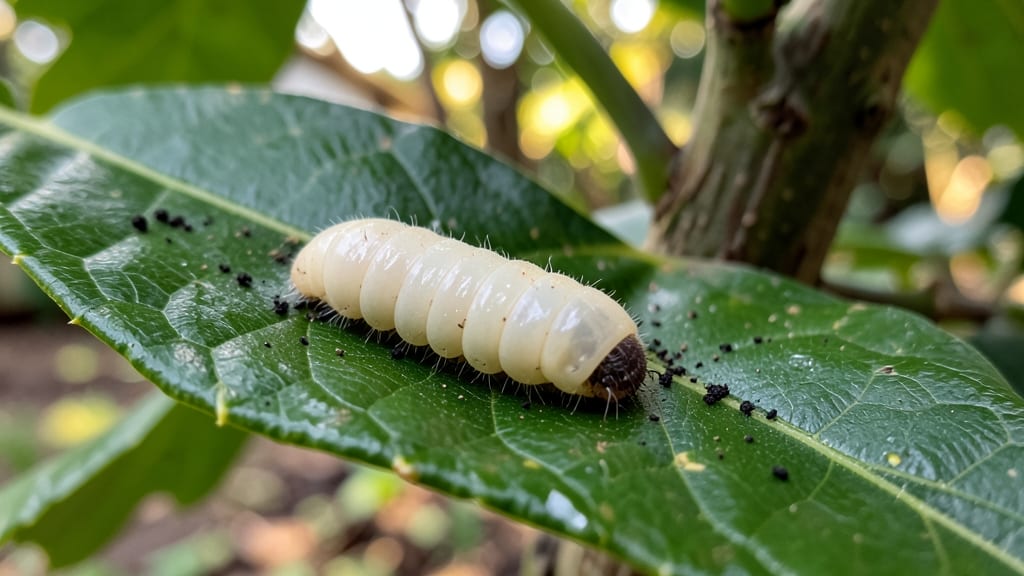
Avocado tree worms can turn your harvest into a chewed-up mess before you know it. 🌱 I’ve seen firsthand how these sneaky pests—especially avocado seed moths and fruit flies—devour fruit from the inside out, leaving you with inedible groves.
The damage isn’t just cosmetic; it weakens the tree over time if left unchecked.
Most people wait until they spot wormy fruit to act, but by then, the infestation is already spreading. The key is catching signs early: tiny entry holes, brown frass (worm poop) near stems, or fruit that drops prematurely.
These pests thrive in warm, humid conditions, so summer and early fall are peak attack seasons—when your tree’s defenses are already flagging from heat stress.
You’ll learn how to disrupt their life cycle without harsh chemicals, starting with physical barriers like mesh bags over young fruit and organic sprays that target larvae without harming bees.
The best defenses? Sanitation (removing fallen fruit daily) and beneficial predators like parasitic wasps that naturally keep worm populations in check.
This isn’t just about saving this year’s crop—it’s about building a long-term strategy that keeps your tree healthy and productive. Whether you’re dealing with seed moths, nematodes, or fruit flies, the methods here work for all three. Let’s get your avocado tree back on track.
Root Causes Of Worm Infestations
When your avocado tree becomes a buffet for hungry worms, it’s rarely just bad luck—there’s usually a mix of environmental, biological, and even human factors at play. Understanding these triggers helps you prevent future outbreaks and act faster when they strike.
Below are the key reasons worms invade your avocado tree, broken down by their most common instigators.
Worms, like many pests, target trees that are already struggling. When avocado trees face stress—whether from drought, poor soil, or overcrowding—they produce weaker leaves and fruit, making them easier prey. Here’s how it happens:
- Water stress: Drought weakens a tree’s defenses, reducing its ability to produce natural repellents (like certain volatile oils). Worms detect this vulnerability and move in. 💡 Pro tip: Monitor soil moisture with a moisture meter—avocado trees need consistent hydration, not just occasional deep watering.
- Nutrient deficiencies: Trees lacking nitrogen, phosphorus, or potassium produce softer, more palatable fruit. A simple soil test can reveal gaps—look for yellowing leaves (nitrogen) or stunted growth (phosphorus).
- Root competition: If your tree is planted too close to other plants (especially grasses or weeds), roots compete for nutrients. This stress makes the tree more attractive to worms seeking easy meals.
✨ Actionable fix: Prune surrounding vegetation to reduce competition, mulch with compost to improve soil health, and water deeply once weekly (adjust for climate). Healthy trees are far less appealing to pests.
Worms aren’t random invaders—they follow predictable life cycles tied to temperature, humidity, and host plant availability. For avocado trees, the worst offenders are usually:
🔬 Avocado Seed Moth (Stenoma catenifer) – Larvae burrow into fruit, leaving telltale exit holes. 🐛 Avocado Fruit Borer (Eulophia avocado) – Adults lay eggs in young fruit; larvae tunnel inside. 🍃 Root-Knot Nematodes – Microscopic worms that attack roots, stunting growth and making trees susceptible to secondary pests.
Peak activity occurs during:
- Warm, humid seasons: Worms thrive in temperatures between 75–90°F (24–32°C). If your region has a long growing season, expect multiple generations per year.
- After heavy rains: Moist soil softens fruit and leaves, making them easier for larvae to penetrate. 🌡️ Watch for: Sudden spikes in worm activity 1–2 weeks post-rain.
- Fruiting stages: Young, tender avocados are prime targets. Worms prefer unripe fruit because the skin is softer and easier to breach.
⏰ Prevention timeline:
- Spring (pre-bloom): Apply kaolin clay or neem oil to deter adult moths from laying eggs.
- Summer (fruit set): Install pheromone traps to disrupt mating cycles.
- Fall (harvest): Inspect fruit before it ripens—remove any with entry holes immediately.
Worms and their eggs love hiding in organic debris. If your avocado tree’s environment is cluttered, you’re essentially rolling out the welcome mat. Common culprits:
| Debris Type | How It Attracts Worms | Risk Level |
|---|---|---|
| Fallen fruit | Rotting avocados release sugars that lure adult moths to lay eggs. | ⚠️ High |
| Leaf litter | Moist, decaying leaves provide shelter for larvae and pupae. | ⚠️ Medium |
| Weeds & grass clippings | Alternative food sources for worms; some weeds host pest eggs. | ⚠️ Low-Medium |
| Old mulch piles | Compacted, undisturbed mulch traps heat and humidity—ideal for worm development. | ⚠️ High |
🔥 Cleanup protocol:
- Remove all fallen fruit within 24 hours of dropping. Compost only if heat-treated (160°F+ for 3+ days).
- Rake away leaf litter from the base of the tree and around the drip line.
- Replace old mulch with fresh, coarse wood chips (avoid fine mulch, which retains moisture).
- Mow weeds regularly—never let grass grow taller than 4 inches near the tree.
Even in the same region, two avocado trees can have wildly different worm pressures based on their microclimate. Key environmental triggers:
- Stagnant air: Trees in low-wind zones (e.g., near fences or dense foliage) trap humidity, creating ideal conditions for worm eggs to hatch. ✨ Fix: Prune to improve airflow; avoid overwatering.
- Shade stress: Avocado trees need 6+ hours of sunlight daily. Shady trees produce less oil in leaves, making them less pest-resistant. 💡 Tip: Thin out overhanging branches or relocate trees if shade is unavoidable.
- Urban heat islands: Pavement or buildings radiate heat, raising soil temps and accelerating worm development. 🌡️ Monitor: Use a soil thermometer—ideal range is 65–80°F (18–27°C).
🎯 Long-term solution: Plant avocado trees in south-facing areas with partial afternoon shade (e.g., dappled sunlight). If you’re in a hot climate, use shade cloth (30–50%) during peak summer to reduce stress.
Quick Fixes for Avocado Tree Pests
When you spot worms or other pests munching on your avocado tree, acting fast is key to saving your harvest. Below are practical, step-by-step solutions tailored to the most common causes—from larvae tunneling in fruit to adult moths laying eggs.
Each fix includes prevention tips to keep your tree healthy long-term.
---
If you’ve found avocado seed borers or fruit-feeding caterpillars, these pests burrow into the flesh or trunk, causing irreversible damage. Here’s how to stop them:
#### 🔥 Step 1: Handpick and Destroy Infested Fruit - Gently shake the tree to dislodge heavily infested fruit (wear gloves—some larvae are sharp!). - Drop fruit into a sealed bag and dispose of it in outdoor trash (not compost). - Check trunks for sawdust-like frass (larvae poop) or tiny holes—tap the trunk with a stick to knock out hiding pests.
#### 🍳 Step 2: Apply Organic Larvicides Use neem oil or spinosad-based sprays (like Captain Jack’s) to suffocate larvae: 1. Mix 1 tbsp neem oil + 1 tsp dish soap per gallon of water.
2. Spray thoroughly on fruit, leaves, and trunk crevices (especially where frass appears). 3. Reapply every 7–10 days until no new larvae are found.
#### 👨🍳 Step 3: Seal Trunk Entry Points - Scrape out old larvae tunnels with a wooden skewer or brush. - Fill holes with pruning sealer or beeswax to block future invaders. - Wrap the trunk with copper mesh (1/4-inch holes) to deter egg-laying moths.
💡 Pro Tip: Water the base of the tree before spraying—this helps the solution adhere better to the bark!
---
Adult avocado moths (like the Stenoma catenifer) lay eggs on leaves, leading to a new generation of larvae. Break their cycle with these traps and barriers:
#### 🔪 Step 1: Set Up Pheromone Traps - Buy or DIY traps using avocado moth pheromone lures (available at garden centers). - Hang traps 5–6 feet high in the tree’s canopy (moths fly at dusk). - Check traps weekly and dispose of captured moths in soapy water.
#### 🥘 Step 2: Use Physical Barriers - Cover young trees with fine mesh netting (like tulle fabric) to block egg-laying moths. - Prune lower branches to reduce hiding spots for adults. - Reflective tape (like aluminum foil strips) around the trunk can disorient moths.
#### ⏰ Step 3: Time Your Sprays Right - Spray neem oil or kaolin clay in the evening (when moths are most active). - Focus on new growth—moths prefer tender leaves for egg-laying.
🌡️ Hot Tip: Moths are less active in cold weather—time your treatments for late spring/early summer when they’re most aggressive!
---
A strong avocado tree resists pests better. Follow these preventive care steps:
| Action | How to Do It | Frequency | |--------------------------|----------------------------------------------------------------------------------|------------------------| | Water deeply | Soak the root zone 1–2x/week (avoid wetting leaves to prevent fungal issues). | Seasonal (drier months) | | Fertilize properly | Use balanced citrus fertilizer (low nitrogen) in early spring. | Every 3–4 months | | Prune for airflow | Remove crowded branches to reduce humidity (pests love damp, shaded areas). | Late winter/early spring| | Inspect regularly | Check fruit, leaves, and trunk every 2 weeks for early signs of pests. | Biweekly |
✨ Bonus: Plant marigolds or basil near your tree—their strong scents repel moths naturally!
--- By combining immediate action (removal + sprays) with long-term prevention (traps + tree care), you’ll keep your avocado tree thriving—and worm-free! 🌿🛡️
Frequently asked questions
What are the most common types of worms attacking avocado trees?
The three most destructive worms are avocado seed moth larvae (tiny white grubs inside fruit), avocado fruit borers (pale caterpillars tunneling through flesh), and root-knot nematodes (microscopic worms damaging roots). Seed moths leave tiny exit holes, while borers create sawdust-like frass near entry points. Nematodes cause stunted growth and yellowing leaves.
How do I tell if my avocado fruit is already infested with worms?
Look for tiny holes (seed moths), sawdust-like frass (borer larvae), or soft, mushy spots inside the fruit. Shake the tree—infested fruit often drops early. For root-knot nematodes, check for galls on roots or stunted new growth. Always inspect fruit before harvesting, especially during summer and fall when worms are most active.
Are chemical pesticides safe for avocado trees?
Most chemical pesticides are not recommended for avocado trees due to their sensitivity. Harsh chemicals can damage leaves and fruit, making the tree more vulnerable to pests. Instead, use organic sprays like neem oil or kaolin clay, which create physical barriers without harming beneficial insects. For severe infestations, consult a local organic arborist for targeted, low-toxicity solutions.
Can I save worm-damaged avocado fruit?
Only if the damage is minimal and superficial. Cut away any holes or tunnels (at least 1 inch around affected areas) and discard the rest. Never eat fruit with internal worm activity—even small larvae can cause foodborne illness. For root-knot nematodes, the entire tree may need treatment before producing safe fruit again.
What’s the best time of year to treat avocado trees for worms?
Start treatments in late spring (before fruit sets) and continue through early fall, when worms are most active. Focus on evening sprays (when moths are active) and weekly inspections during peak seasons. Winter treatments are less critical, but removing fallen fruit and pruning for airflow helps prevent next year’s infestations.