Diseases
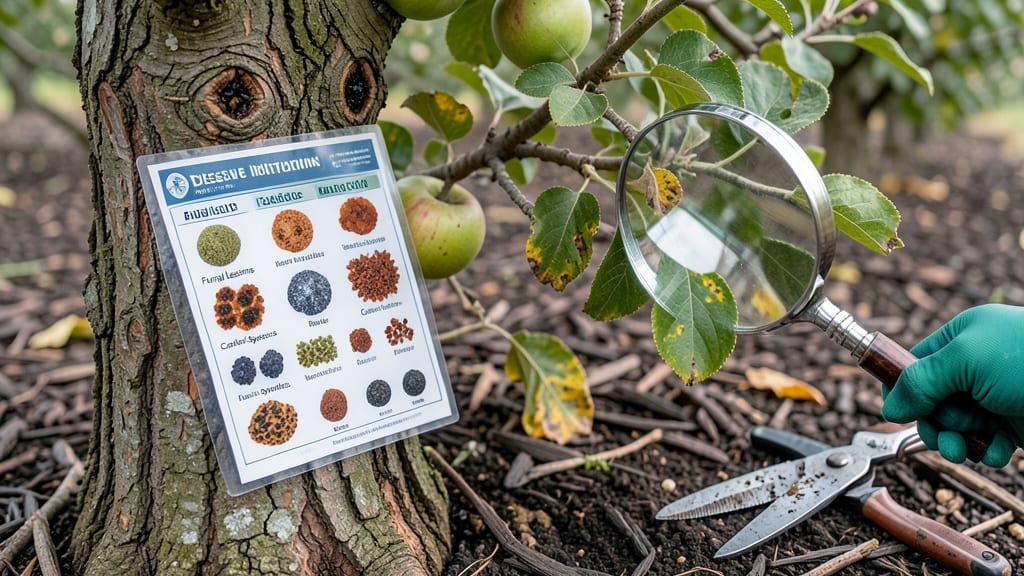
Apple tree diseases photos reveal the silent threats eating your harvest before you even notice. 🍏 I’ve seen healthy trees turn into leafy graveyards overnight—apple scab, fire blight, and powdery mildew leave unmistakable marks if you know where to look.
This guide shows you exactly what to spot, why it happens, and how to stop it before your fruit rots.
The key is catching problems early—black spots on leaves, oozing cankers, or white fungal dust. I’ll walk you through each disease’s telltale signs, from the velvety gray of scab to the burned look of fire blight.
Prevention isn’t just pruning; it’s timing sprays right, choosing resistant varieties, and giving your tree the best growing conditions.
By the end, you’ll recognize these diseases faster than your phone autofills a text. The right mix of pruning, fungicides, and organic remedies can save your tree—and your harvest. No more guessing what’s wrong or watching your apples shrivel up.
This isn’t just about fixing problems—it’s about keeping your orchard thriving year after year. Whether you’re a backyard grower or managing a small farm, these visual clues and solutions will give you the confidence to act fast. Let’s get your trees back to their best.
Root Causes Of Apple Tree Ailments
Apple trees, like all living organisms, are vulnerable to diseases—but understanding why these issues flare up is the first step to prevention. Most fungal and bacterial infections in apple trees stem from a mix of environmental stress, poor cultural practices, and the tree’s natural defenses being overwhelmed.
Below, we break down the key triggers behind common apple tree diseases, backed by science and actionable insights.
---
Fungal spores thrive in damp, stagnant air, and apple trees are no exception. When branches grow too densely, humidity lingers, creating the perfect breeding ground for pathogens like Venturia inaequalis (apple scab) and Neofabraea malicorticis (flyspeck).
- Why it happens: - Reduced sunlight penetration weakens leaves, making them more susceptible to infection. - High humidity (above 75%) allows spores to germinate and spread rapidly. - Older, overgrown trees develop thick canopies that trap moisture against bark and foliage.
- Actionable fix: - Prune in late winter or early spring (before bud break) to open the canopy. - Remove crossing branches and suckers to improve airflow. - Space trees 15–20 feet apart (depending on variety) for optimal growth.
---
Water is the #1 enemy of apple tree health—whether from prolonged rain, overhead irrigation, or poor drainage. Many diseases, such as powdery mildew (Podosphaera leucotricha) and apple canker (Nectria galligena), exploit wet conditions to infect wounds or weak spots.
- Why it happens: - Fungal spores (like those from apple scab) splash up from infected leaves or soil onto healthy ones during rain. - Saturated soil stresses roots, weakening the tree’s immune response. - Morning dew on leaves provides a 24-hour window for spores to infect before drying out.
- Actionable fix: - Water at the base (not overhead) using drip irrigation or soaker hoses. - Avoid late-season watering—stop 2–3 weeks before harvest to reduce fungal pressure. - Improve drainage by amending soil with compost or installing a French drain if needed.
---
Apple trees are tough, but any break in the bark—whether from pruning cuts, hail, or animal damage—creates an entry point for pathogens like apple canker or silver leaf disease (Chondrostereum purpureum).
- Why it happens: - Improper pruning tools (dull shears, saws) cause jagged cuts, slowing wound closure. - Hail or strong winds tear bark, exposing vulnerable cambium layers. - Rodent gnawing or lawnmower strikes create open wounds that invite infection.
- Actionable fix: - Sanitize tools with 70% rubbing alcohol or bleach solution (1 part bleach to 9 parts water) between cuts. - Make clean cuts at a 45-degree angle, just outside the branch collar. - Apply wound paint (like Tanglefoot Tree Wound Pruning Sealer) to large wounds only if the tree is young or highly susceptible.
---
Apple orchards (and even backyard trees) are constantly bombarded with dormant fungal spores from fallen leaves, infected wood, or neighboring trees. When conditions align (warm temps + moisture), these spores wake up and attack.
- Why it happens: - Mummy fruit (mummified apples from last year) harbor apple scab and flyspeck spores. - Infected leaf litter on the ground releases spores when it rains. - Wild apple trees or crabapples nearby can be reservoirs for diseases like fire blight (Erwinia amylovora).
- Actionable fix: - Rake and remove all fallen leaves and fruit in late fall/winter (before spores spread). - Burn or compost infected debris only if your compost pile reaches 140°F+ (kills pathogens). - Plant disease-resistant varieties (e.g., ‘Liberty,’ ‘Enterprise,’ or ‘Akane’) if fungal pressure is high in your area.
--- Apple trees are sensitive to temperature swings, especially during bloom (spring) and fruit maturation (summer/fall). Sudden heatwaves, late frosts, or cold snaps weaken trees, making them more prone to infections.
- Why it happens: - Late spring frosts damage blossoms, reducing fruit set and stressing the tree. - Heat stress (above 90°F) causes physiological disorders like bitter pit, weakening defenses. - Cold winters can kill bark tissue, leading to cankers when the tree regrows in spring.
- Actionable fix: - Use frost cloth or overhead sprinklers (running water creates a protective ice layer) during late frosts. - Mulch heavily (3–4 inches of wood chips) to regulate soil temp and protect roots. - Avoid heavy nitrogen fertilizers in late summer—they promote tender new growth vulnerable to frost damage.
--- While not diseases themselves, pests like aphids, codling moths, and apple maggots stress trees by feeding on leaves, fruit, and bark. A weakened tree is an open invitation for fungal infections.
- Why it happens: - Aphids excrete honeydew, which fosters sooty mold (a secondary fungus). - Borers (like the apple clearwing moth) create tunnels in wood, inviting bacterial canker. - Japanese beetles defoliate trees, reducing photosynthesis and lowering disease resistance.
- Actionable fix: - Monitor trees weekly for early signs of pests (eggs, frass, or chewed leaves). - Use horticultural oil (like Neem Oil) in early spring to smother overwintering pests. - Introduce beneficial insects (ladybugs, lacewings) or apply kaolin clay as a physical barrier.
Fixing Fungal Foes in Apple Trees
Now that you’ve spotted the trouble, it’s time to act! Early intervention is key to saving your apple tree from fungal diseases. Below, we’ve mapped out practical, step-by-step solutions for each common issue, along with prevention tips to keep your tree thriving.
Think of this as your emergency manual—no fancy tools or chemistry degrees required!
---
How to Treat It: 🔥 Remove Infected Leaves & Fruit 🍎 Start by pruning away any leaves, fruit, or twigs showing olive-brown spots (the classic scab symptom). Bag and compost them far from your tree—don’t toss them into your yard waste pile! This stops spores from reinfecting next year.
🍳 Apply Fungicide at the Right Time 🛡️ The best defense is a copper-based fungicide or sulfur spray.
Timing is everything: - First spray: Just before pink bud stage (when flower buds swell). - Second spray: After petal fall (when flowers drop). - Third spray: 2–3 weeks later. Pro tip: 💡 Neem oil (a natural fungicide) works too—spray it in early spring before buds open.
🌡️ Improve Airflow & Sanitation 🌬️ - Thin out branches to let sunlight and air circulate. - Rake up fallen leaves in autumn and dispose of them (don’t mulch them back into the soil). - Water at the base (not overhead) to keep foliage dry.
---
How to Treat It: 🔪 Prune & Destroy Infected Growth 🪓 Cut out orange pustules (they’re full of spores!) and burn or bag the clippings. Look for rust on cedar trees nearby—they’re the alternate host for this fungus. If you have cedars, spray them with fungicide too.
👨🍳 Use Preventive Fungicides 🛡️ - Dormant oil spray in late winter (before buds swell) smothers overwintering spores. - Apply a fungicide (like myclobutanil or propiconazole) at green-tip stage and again when pustules appear.
⏰ Monitor & Repeat 🕰️ Rust can reappear yearly, so keep an eye out in spring. If you see new pustules, reapply fungicide immediately.
--- How to Treat It: ⚠️ Act FAST—This Spreads Like Wildfire! 🔥 Fire blight is aggressive. Prune infected branches 6–12 inches below the blackened, dead tissue. Use sterilized tools (wipe with rubbing alcohol between cuts) to avoid spreading bacteria.
🌿 Clean Up Debris Immediately 🧹 Remove all pruned material and dispose of it in the trash (not compost). Bacteria can survive in fallen leaves and twigs.
💡 Pro Tip: 🌡️ Blossom-time spray with streptomycin or copper fungicide can help prevent outbreaks. Avoid overhead watering—wet flowers invite infection.
--- How to Treat It: 🍳 Baking Soda Spray (Yes, Really!) 🧂 Mix 1 tsp baking soda + 1 tbsp oil + 1 tsp dish soap in 1 quart of water. Spray every 7–10 days until mildew disappears. It’s cheap, safe, and effective!
🌬️ Boost Air Circulation 💨 - Space trees properly (12–15 feet apart). - Prune to open the canopy. - Avoid mulching too close to the trunk.
🌡️ Prevent Future Outbreaks 🌿 - Water in the morning (not at night). - Choose resistant varieties like ‘Liberty’ or ‘Enterprise’ apples. - Apply sulfur or neem oil preventively in early spring.
--- Every apple tree owner should follow these golden rules to stay ahead of fungal trouble:
✨ Start with Healthy Soil 🌱 - Test your soil (pH 6.0–6.5 is ideal for apples). - Add compost in early spring to boost tree health.
🎯 Plant in the Right Spot ☀️ - Full sun (6+ hours/day) + good drainage = fewer fungal problems. - Avoid low-lying areas where water pools.
🔥 Winter Care Matters Too! ❄️ - Rake up leaves in fall to remove overwintering spores. - Apply a thick mulch layer (3–4 inches) to protect roots.
📊 Keep a Disease Diary 📖 Track when and where problems appear. Note weather patterns (wet springs = scab risk; humid summers = mildew risk). Knowledge is power!
--- Fungal diseases won’t vanish overnight, but with consistent care, your apple tree can bounce back stronger. Spot early, act fast, and stay proactive—your future harvests will thank you! 🍏💚
Frequently asked questions about apple tree diseases
How can I tell if my apple tree has a fungal disease just by looking?
Look for leaf spots (dark olive or black patches), white powdery coatings (powdery mildew), or orange pustules (cedar apple rust). Check the bark for oozing cankers (fire blight) or cracked, discolored areas. Compare what you see to the visual guide in this article—most diseases leave distinct marks on leaves, fruit, or branches.
Can I save my apple tree if it already has fire blight?
Yes, but you must act immediately. Prune infected branches 6–12 inches below the blackened tissue, sterilize your tools between cuts, and dispose of infected material in the trash (not compost). Apply a copper fungicide during bloom to prevent spread. Severe cases may require repeat pruning in winter.
What’s the best natural remedy for apple scab?
A baking soda spray works wonders! Mix 1 teaspoon baking soda + 1 tablespoon oil + 1 teaspoon dish soap in 1 quart of water, then spray every 7–10 days during wet seasons. For extra protection, apply neem oil in early spring before buds open. Copper fungicides are also effective but require precise timing.
Why do some apple trees get diseases while others nearby stay healthy?
Healthy trees resist diseases better due to genetics, spacing, and care. Disease-resistant varieties (like ‘Liberty’ or ‘Akane’) thrive where susceptible ones fail. Proper airflow, pruning, and sanitation (removing fallen leaves) also play huge roles. Even weather—like humid springs—can turn a healthy tree into a disease magnet overnight.
Is it safe to eat apples from a tree with fungal diseases?
Only if the fruit shows no visible damage. Wash apples thoroughly with soapy water before eating, but avoid fruit with spots, cracks, or mold. Some diseases (like apple scab) don’t affect taste but can spread spores. When in doubt, compost or discard infected fruit—don’t risk contamination.